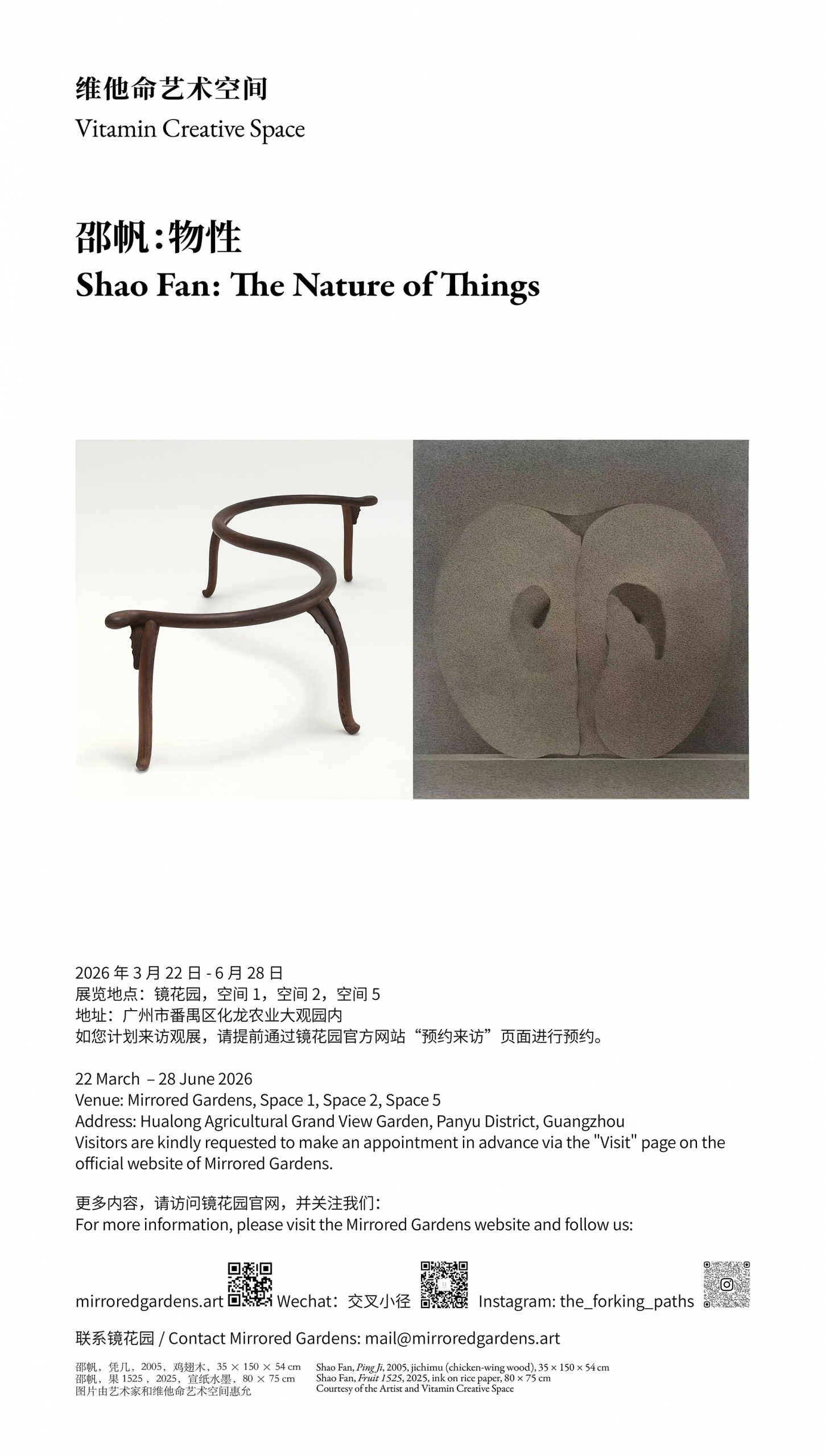
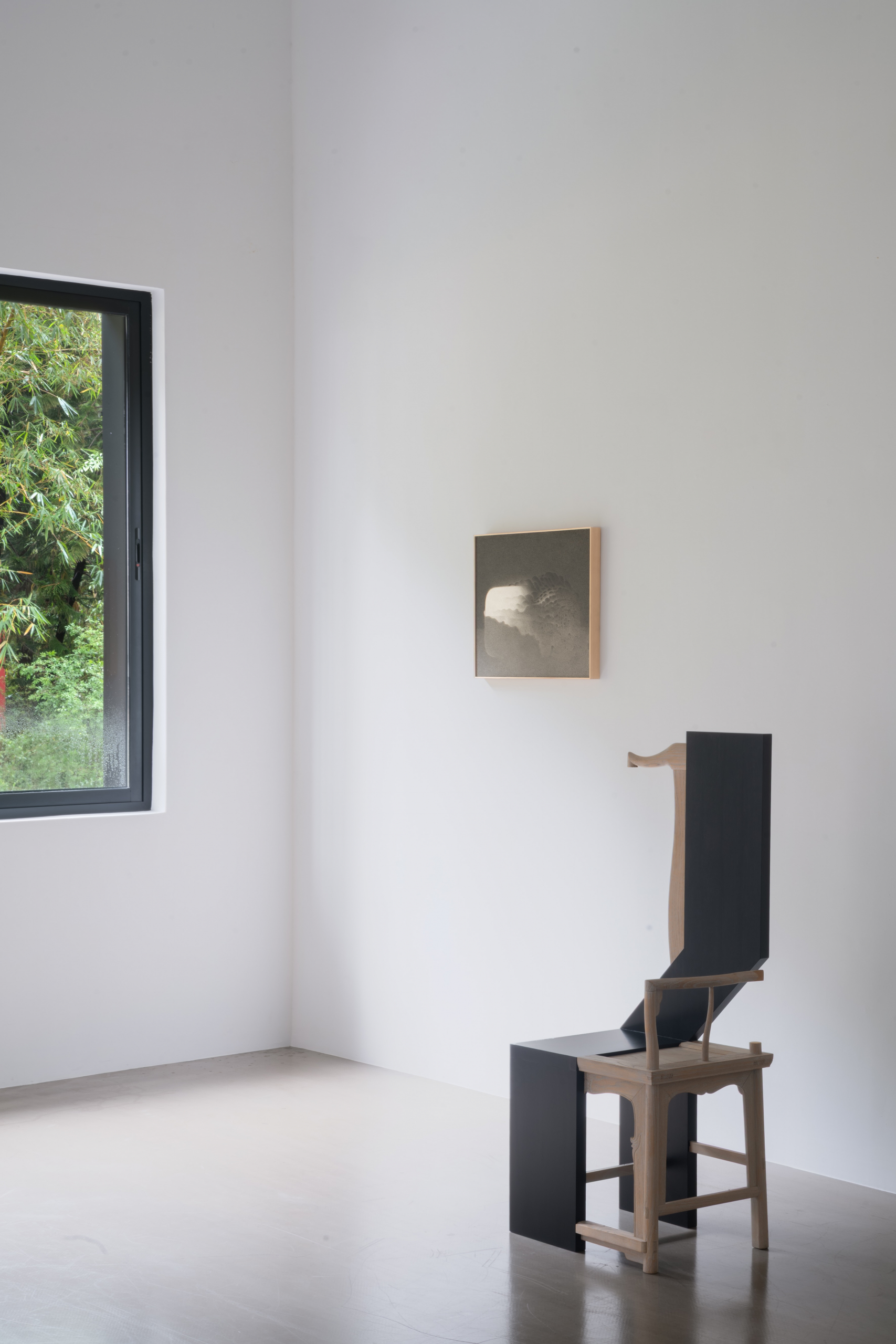
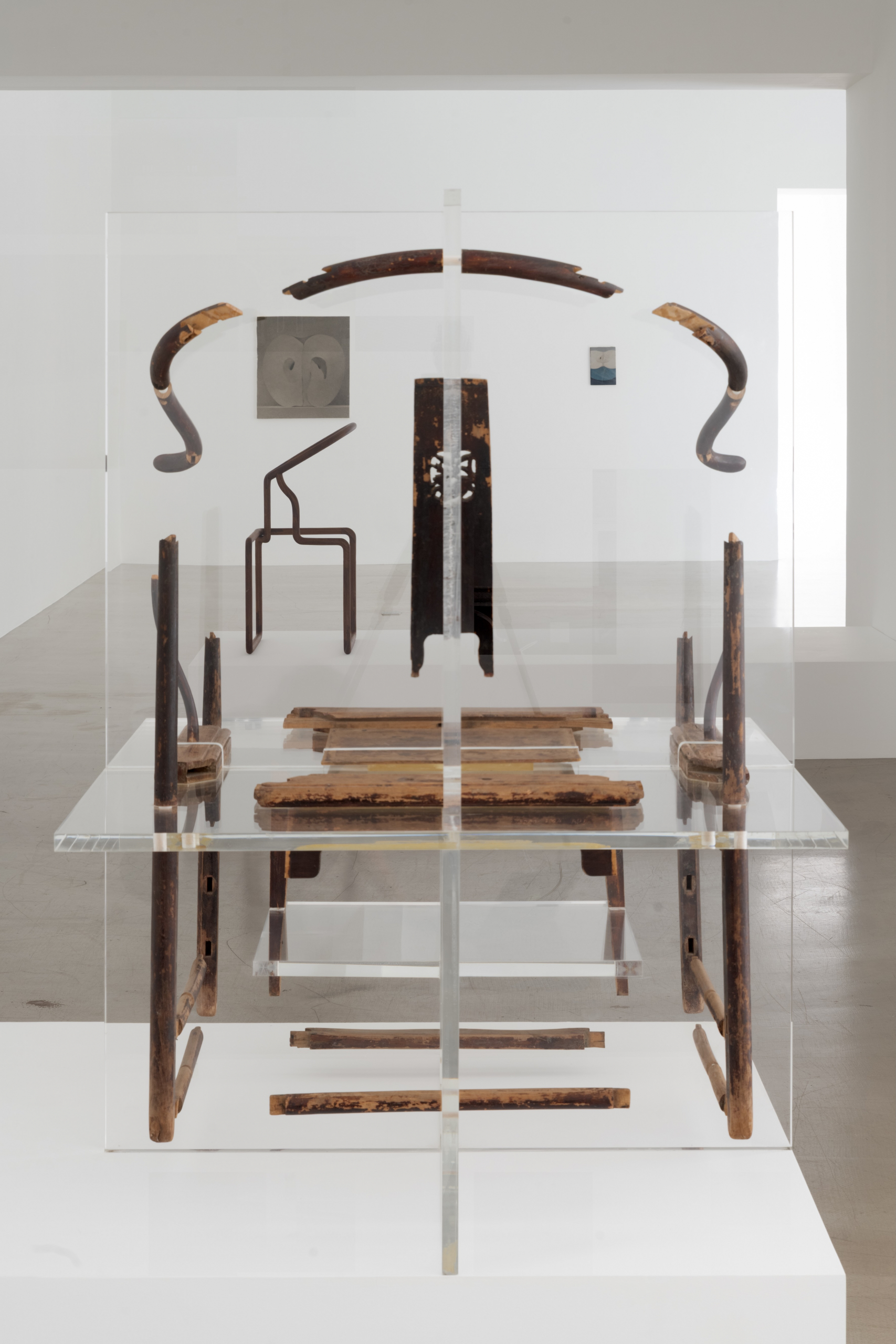
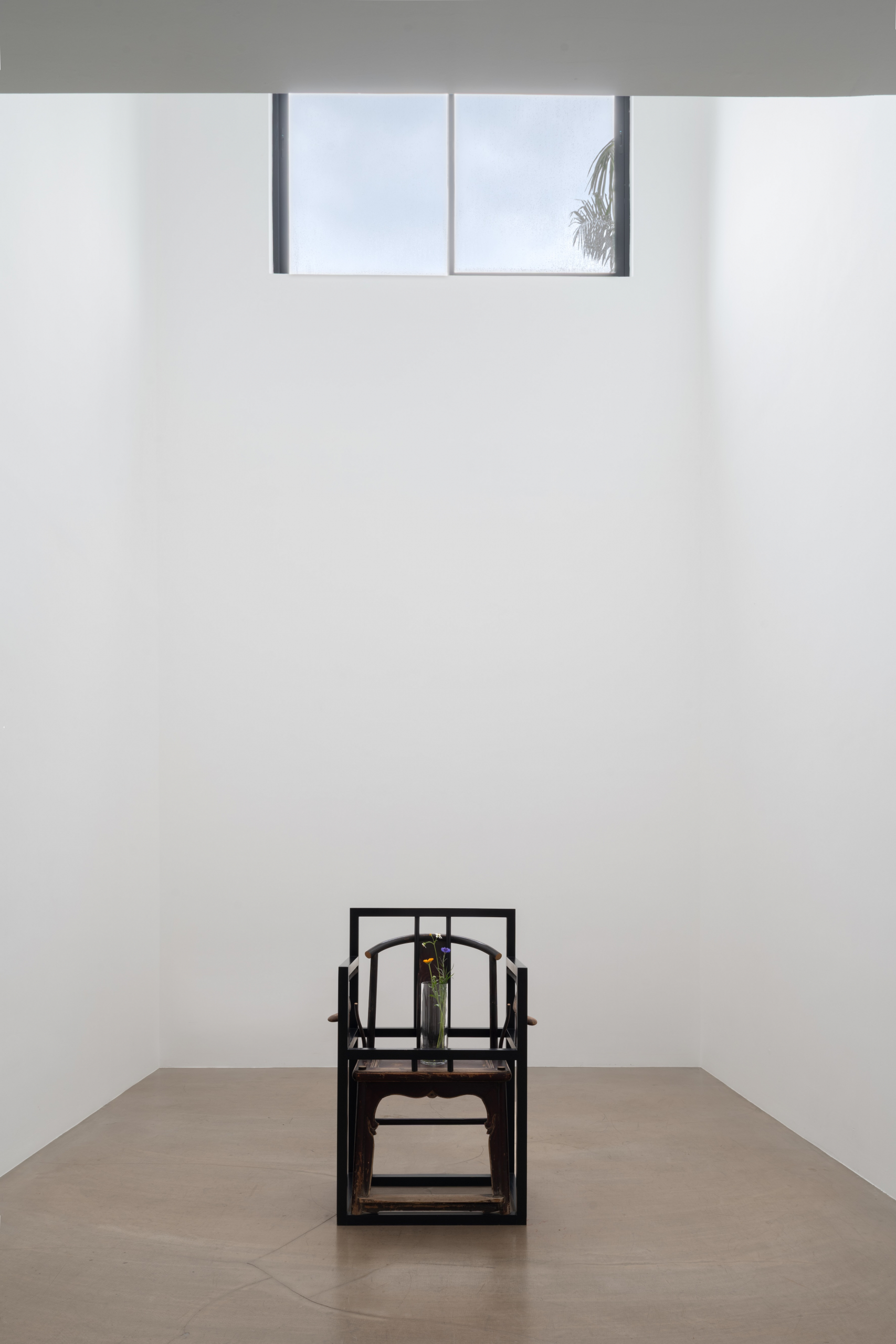
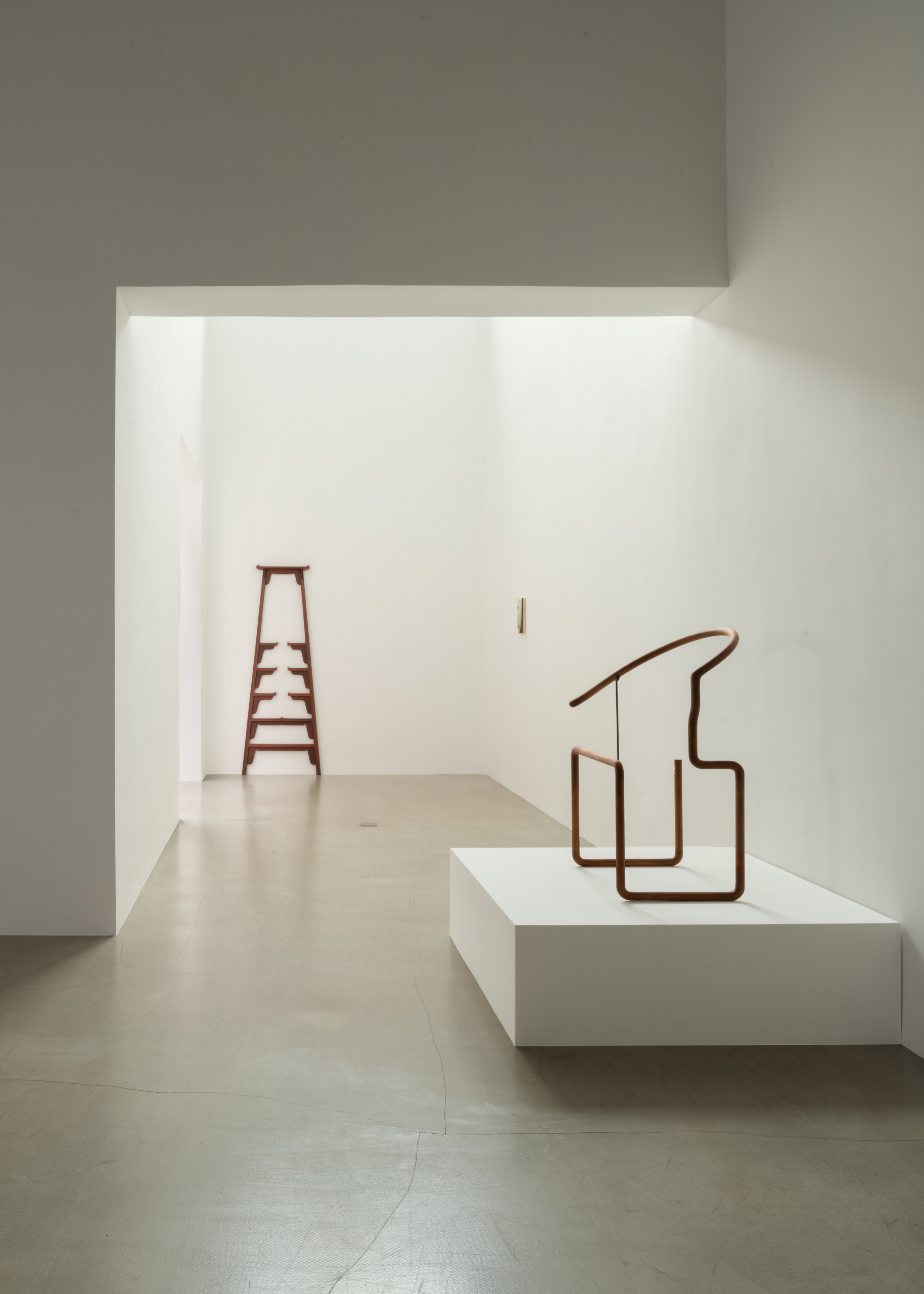
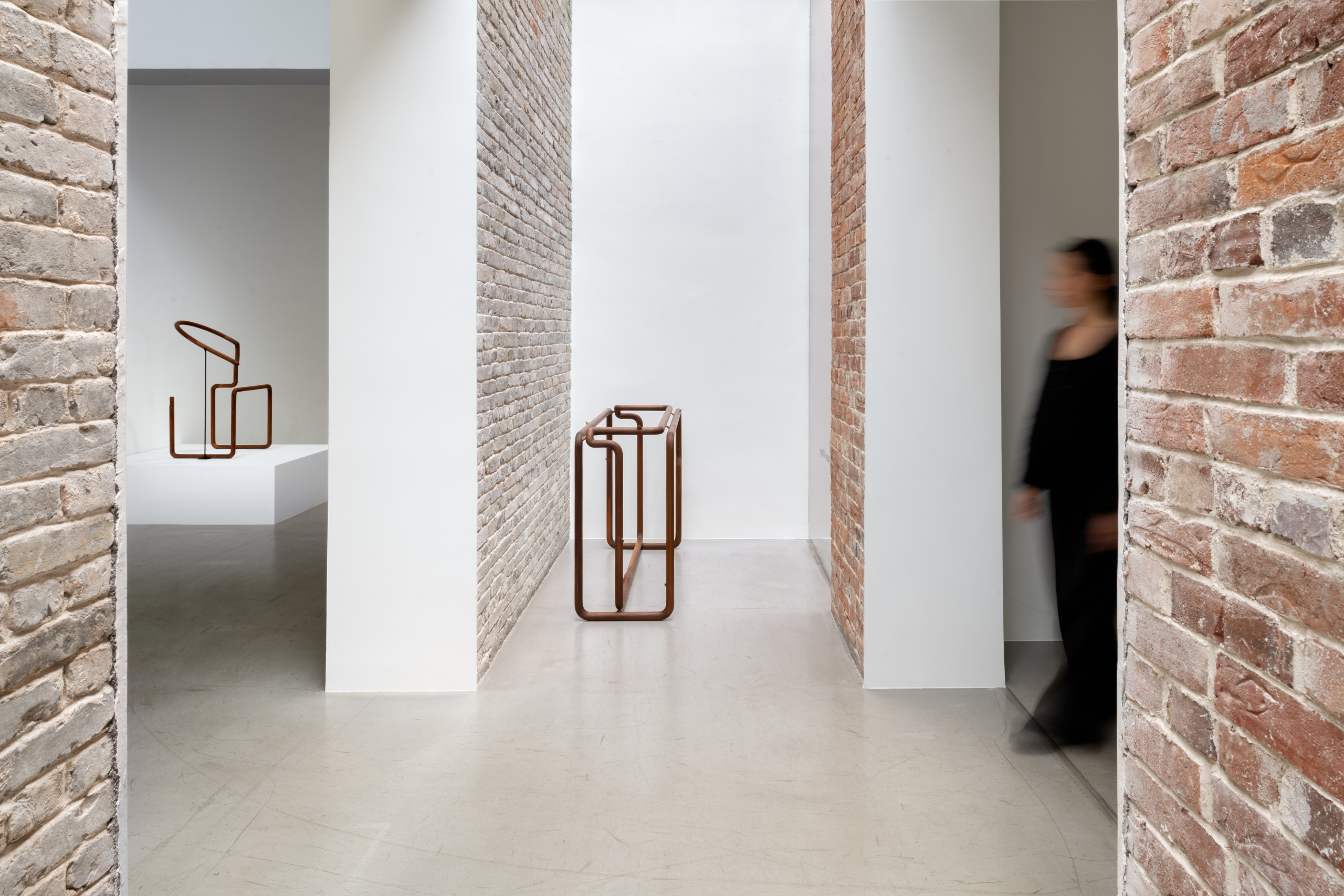
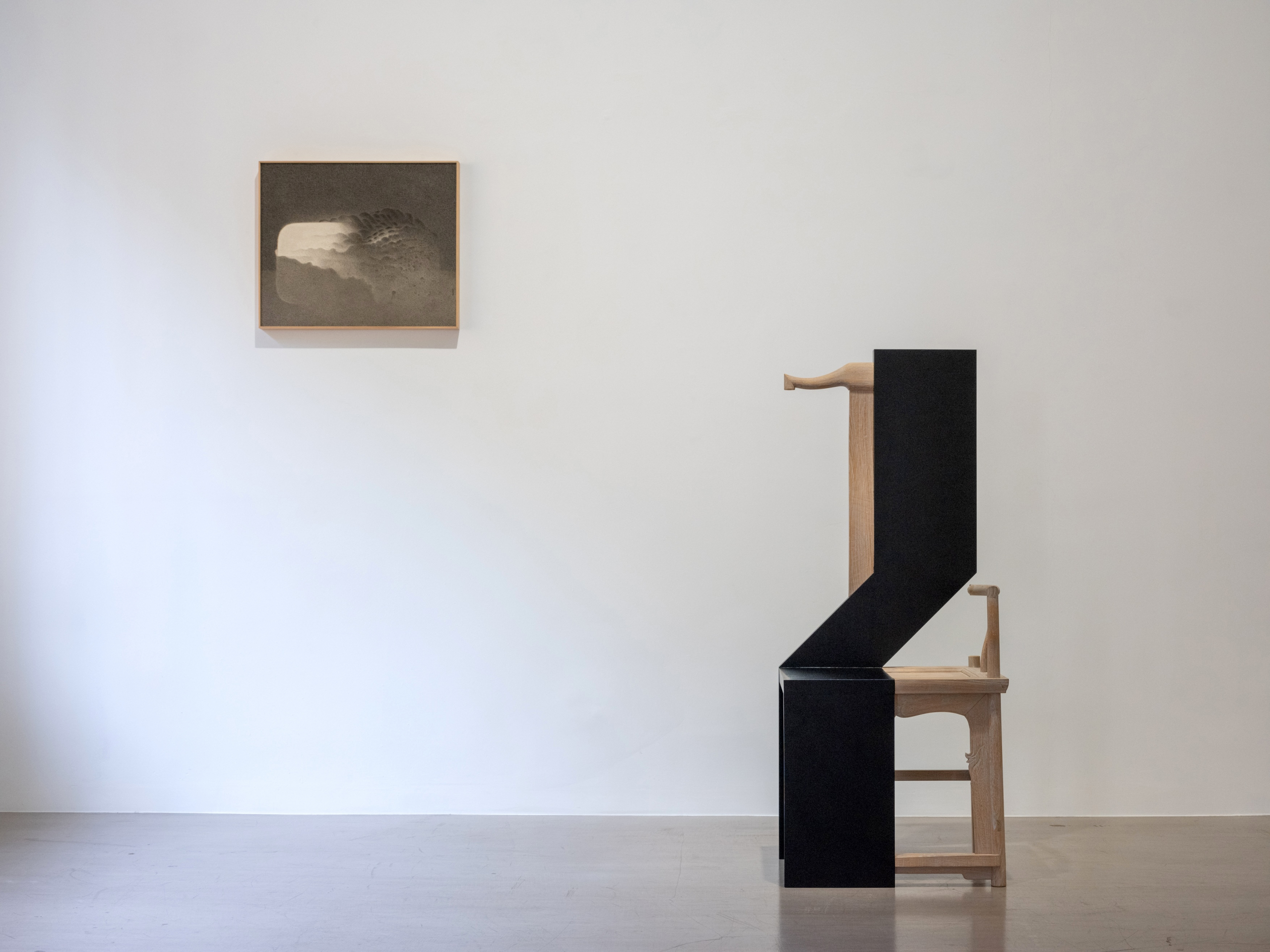
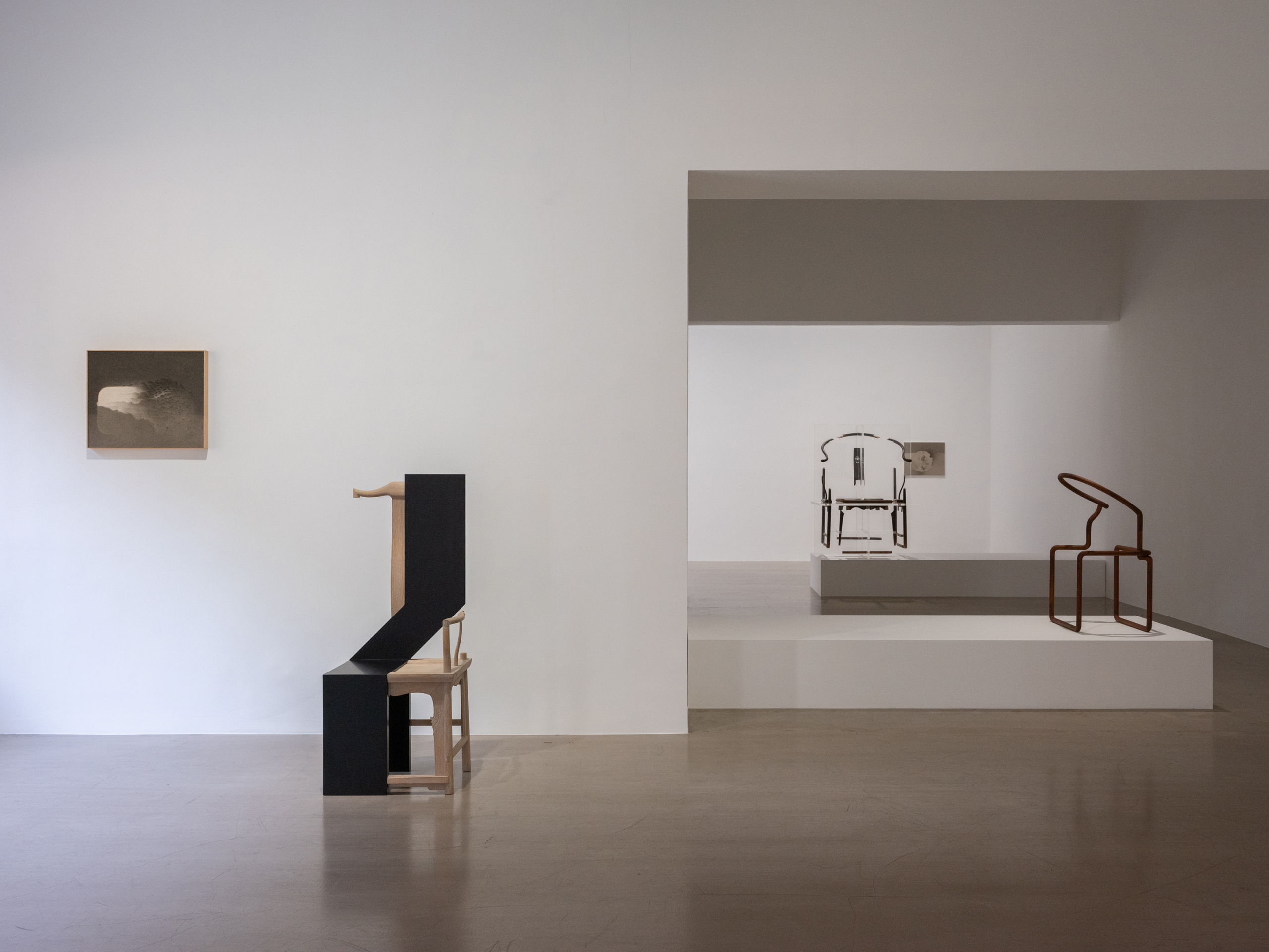
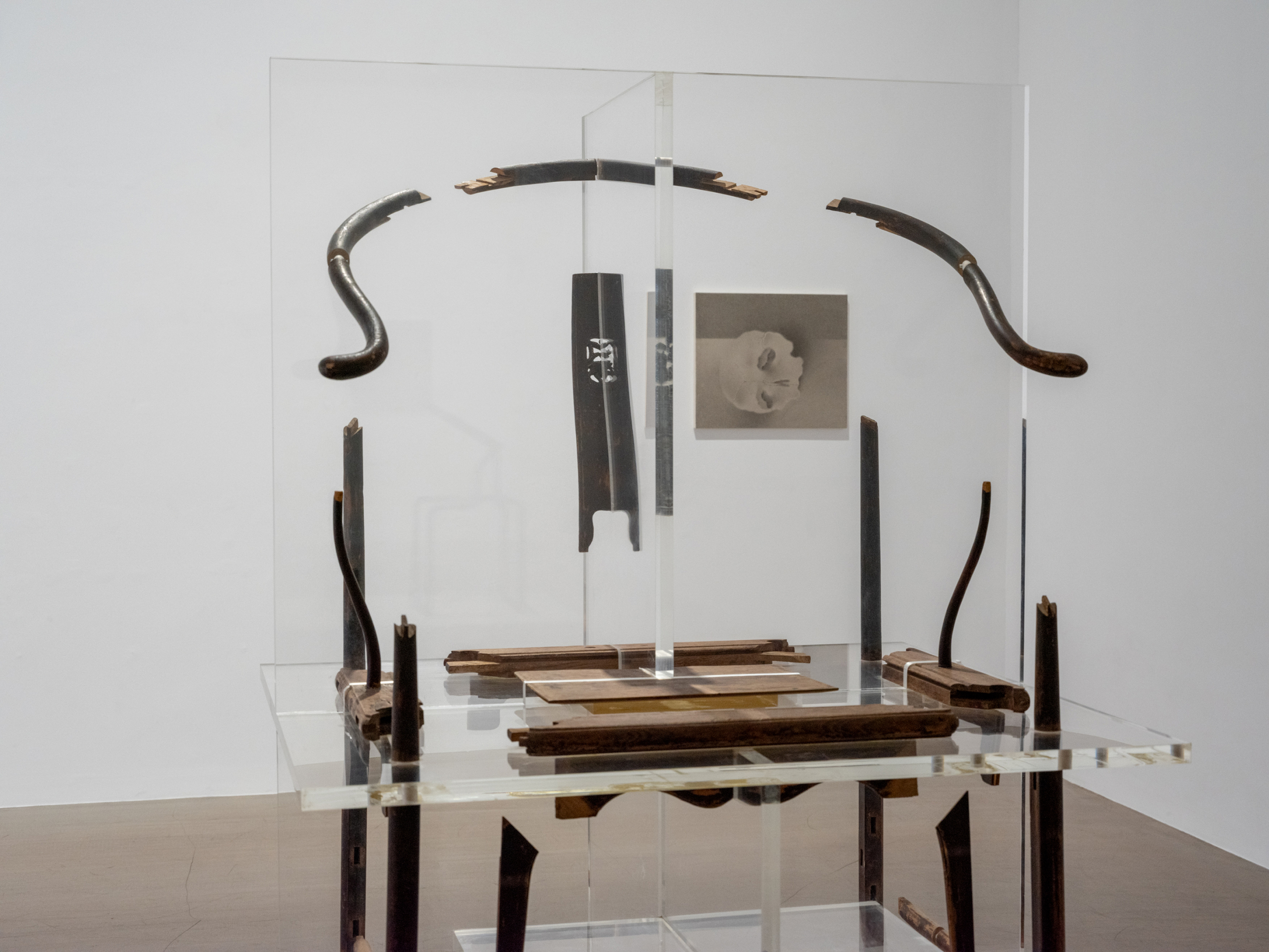
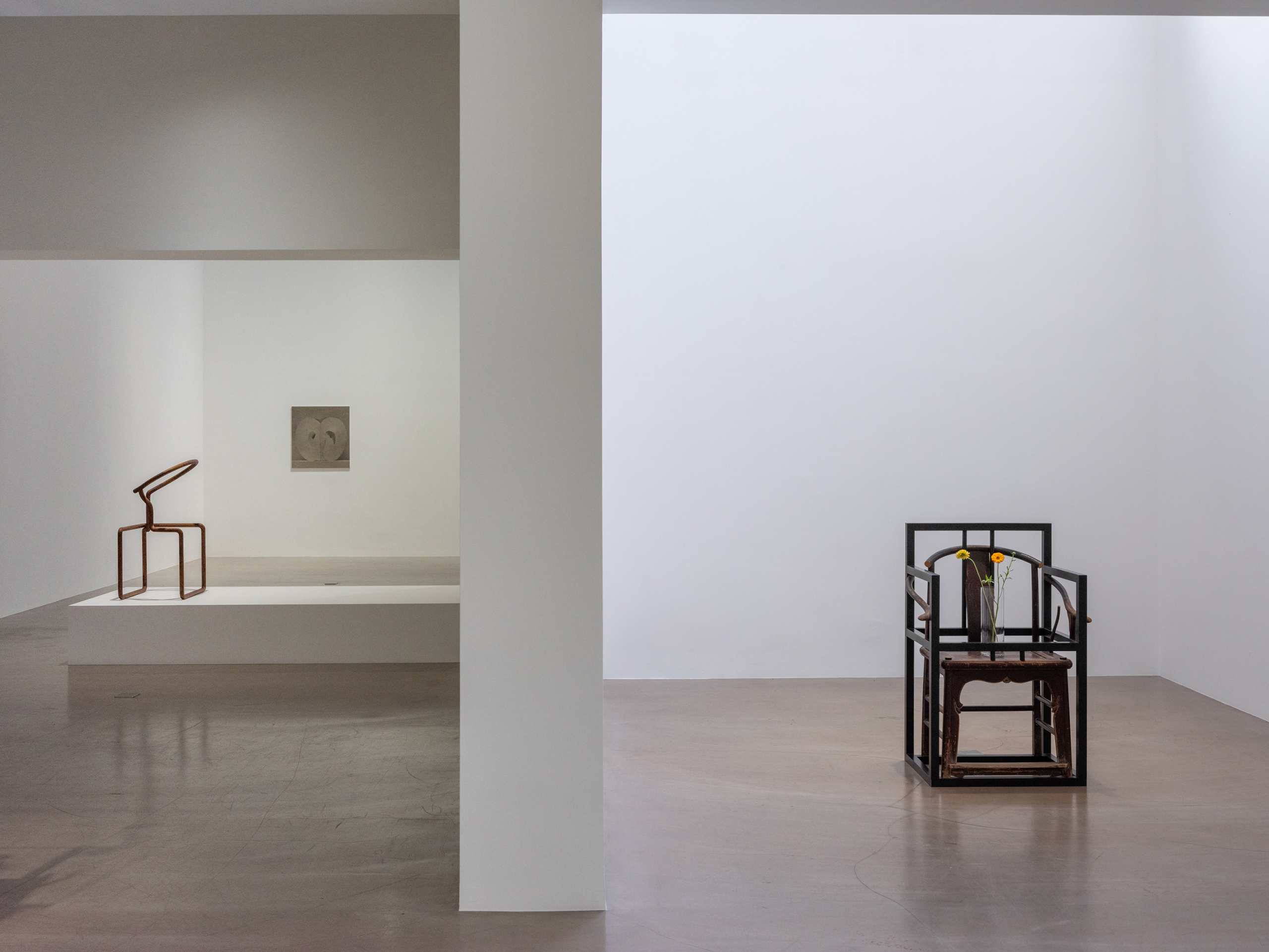
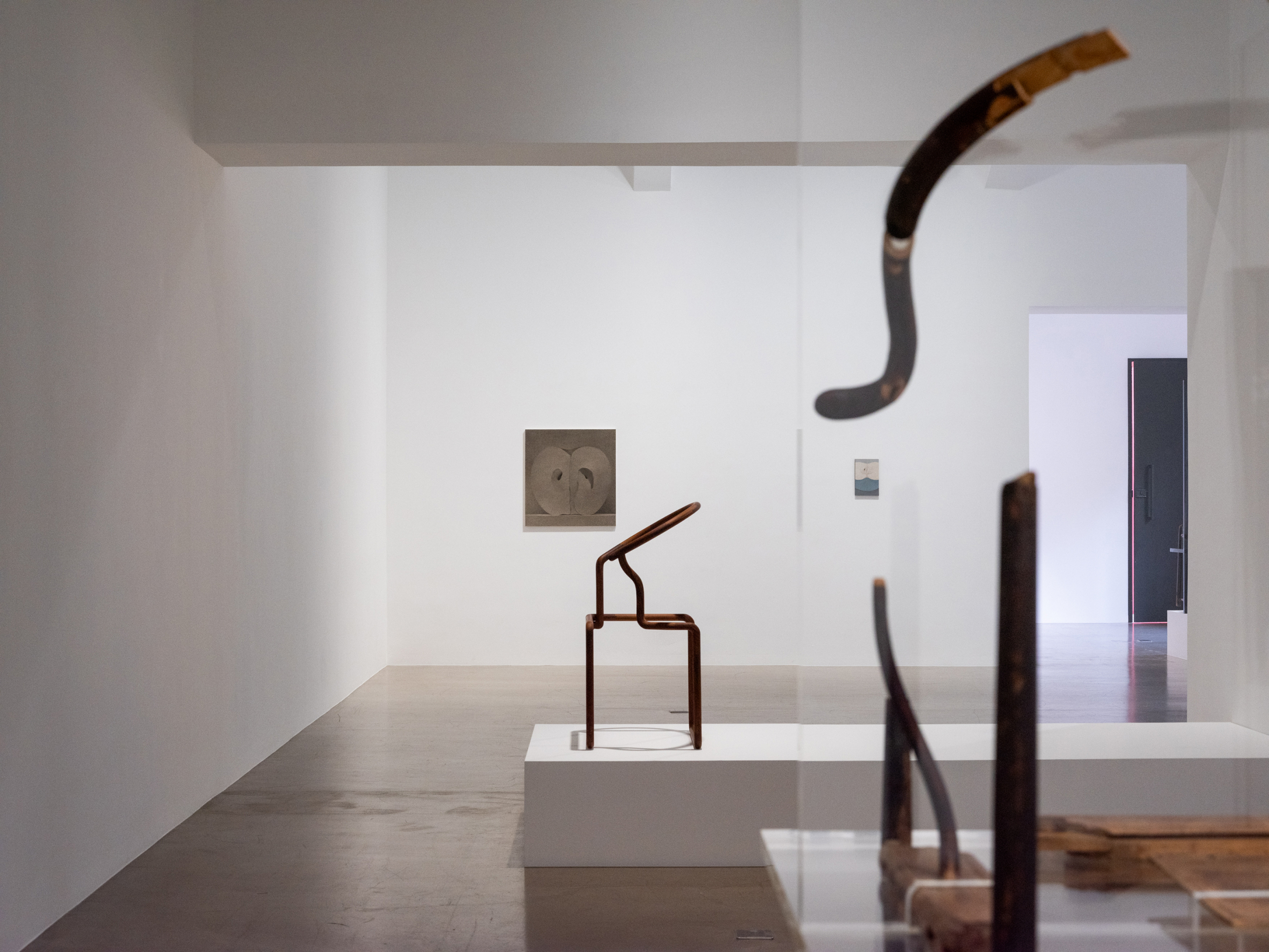
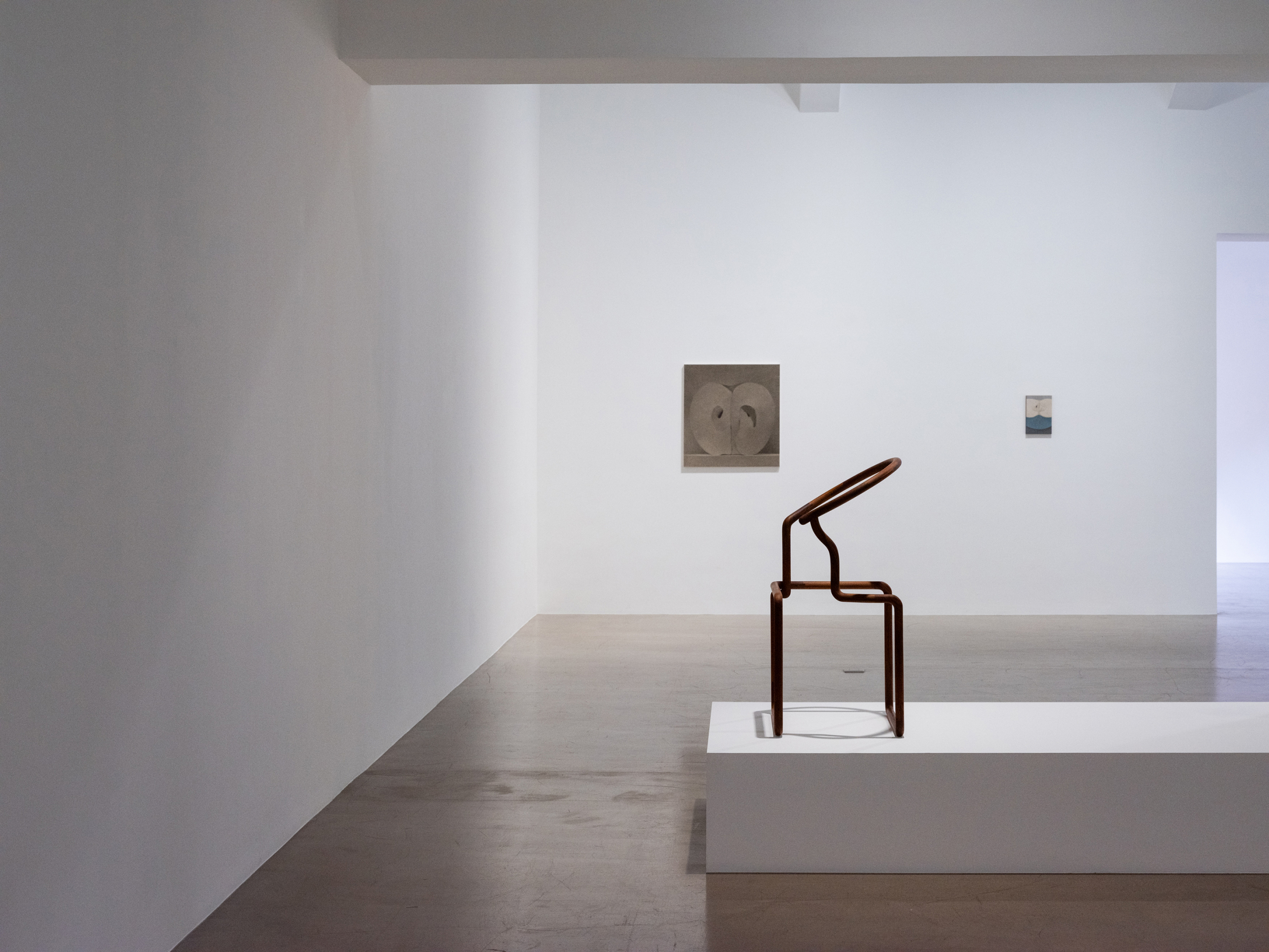
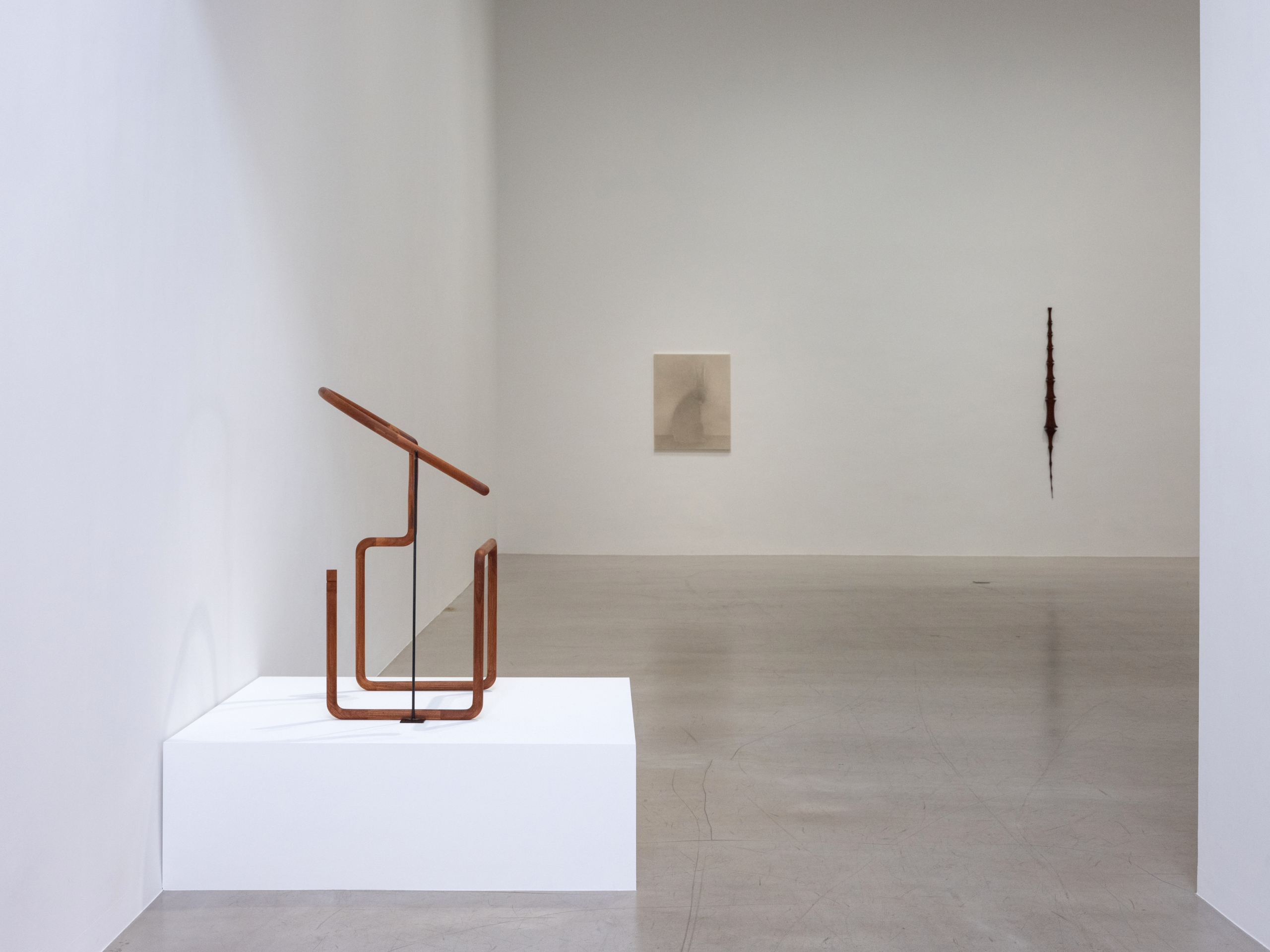
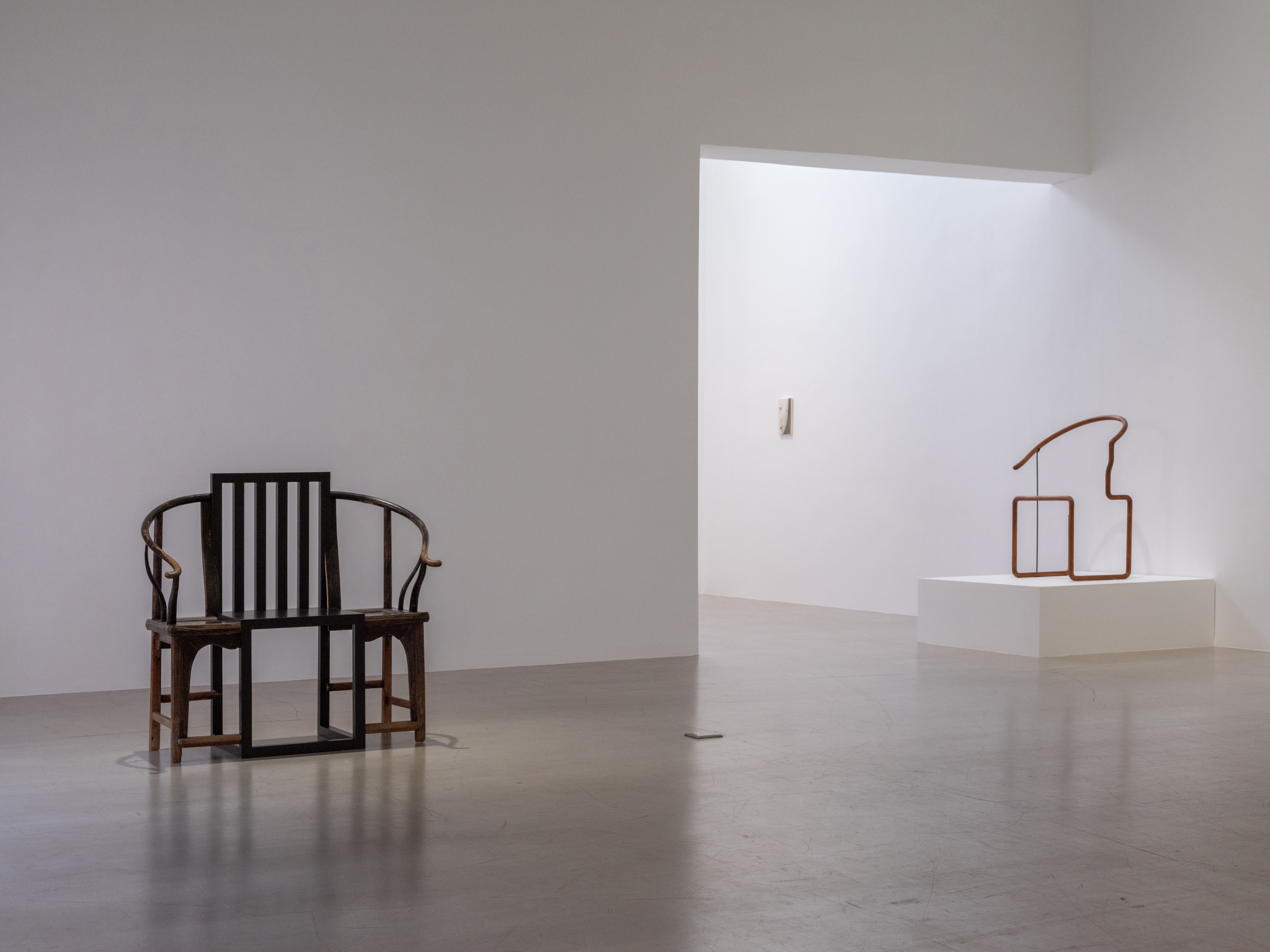
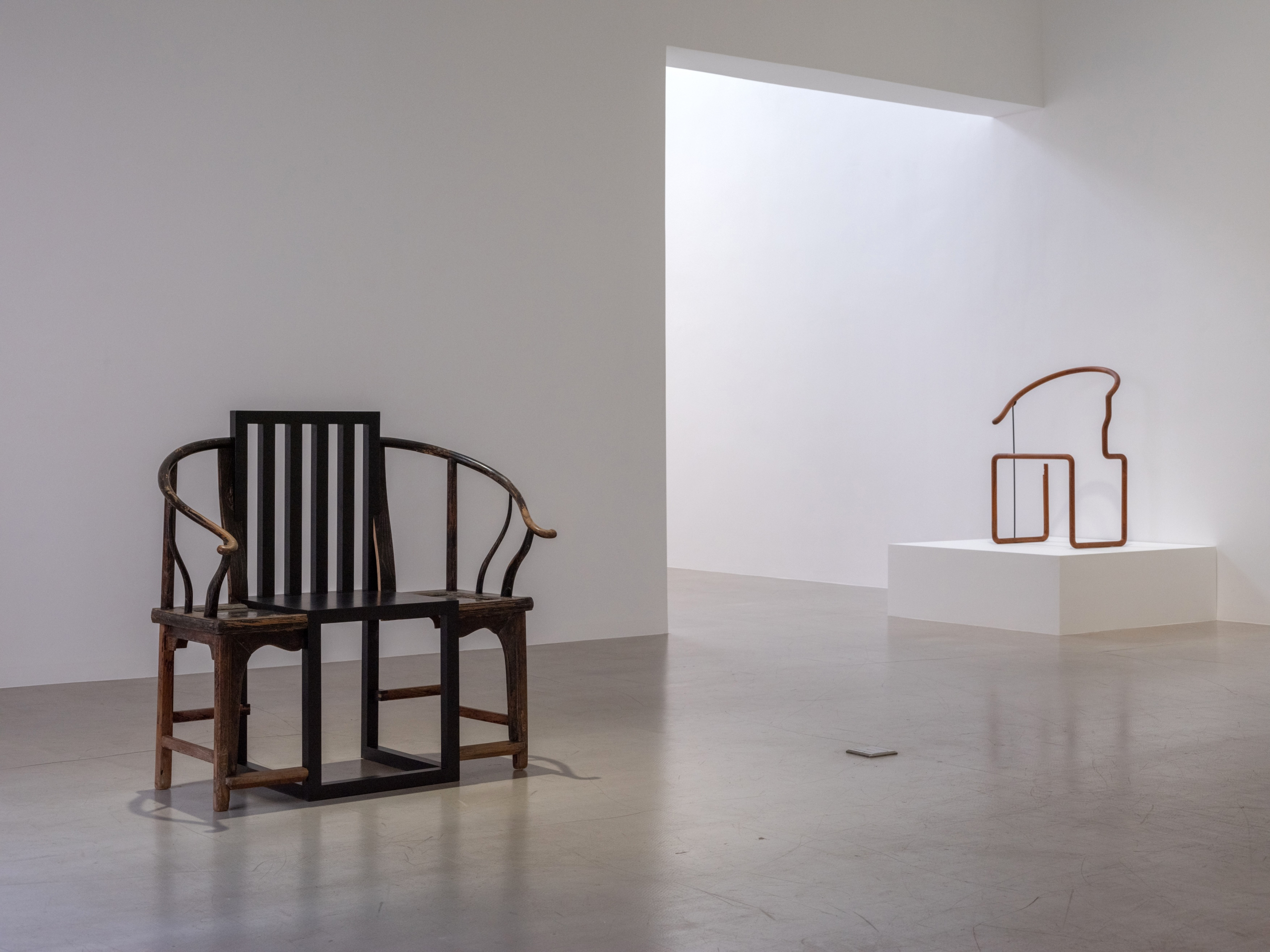
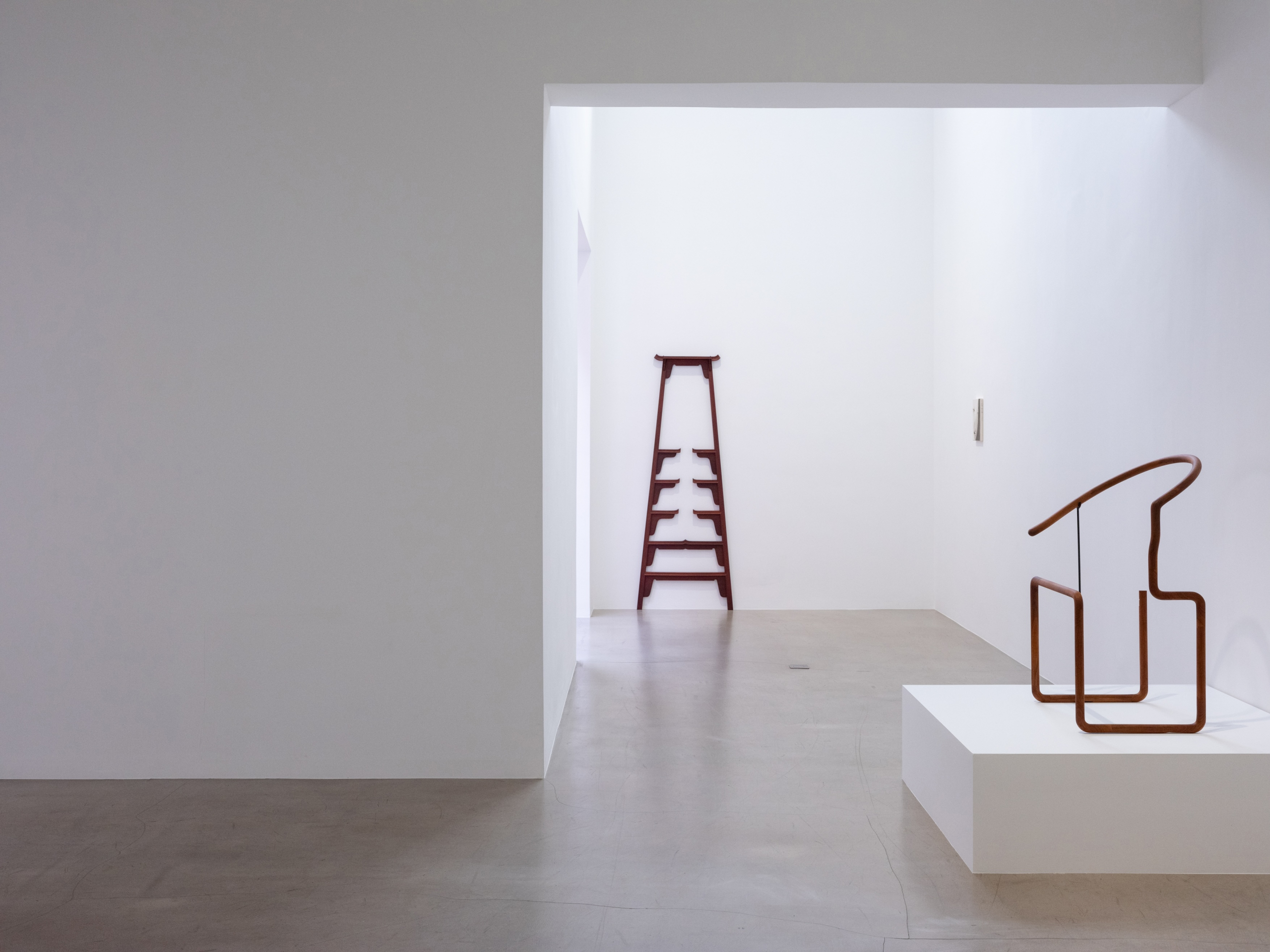
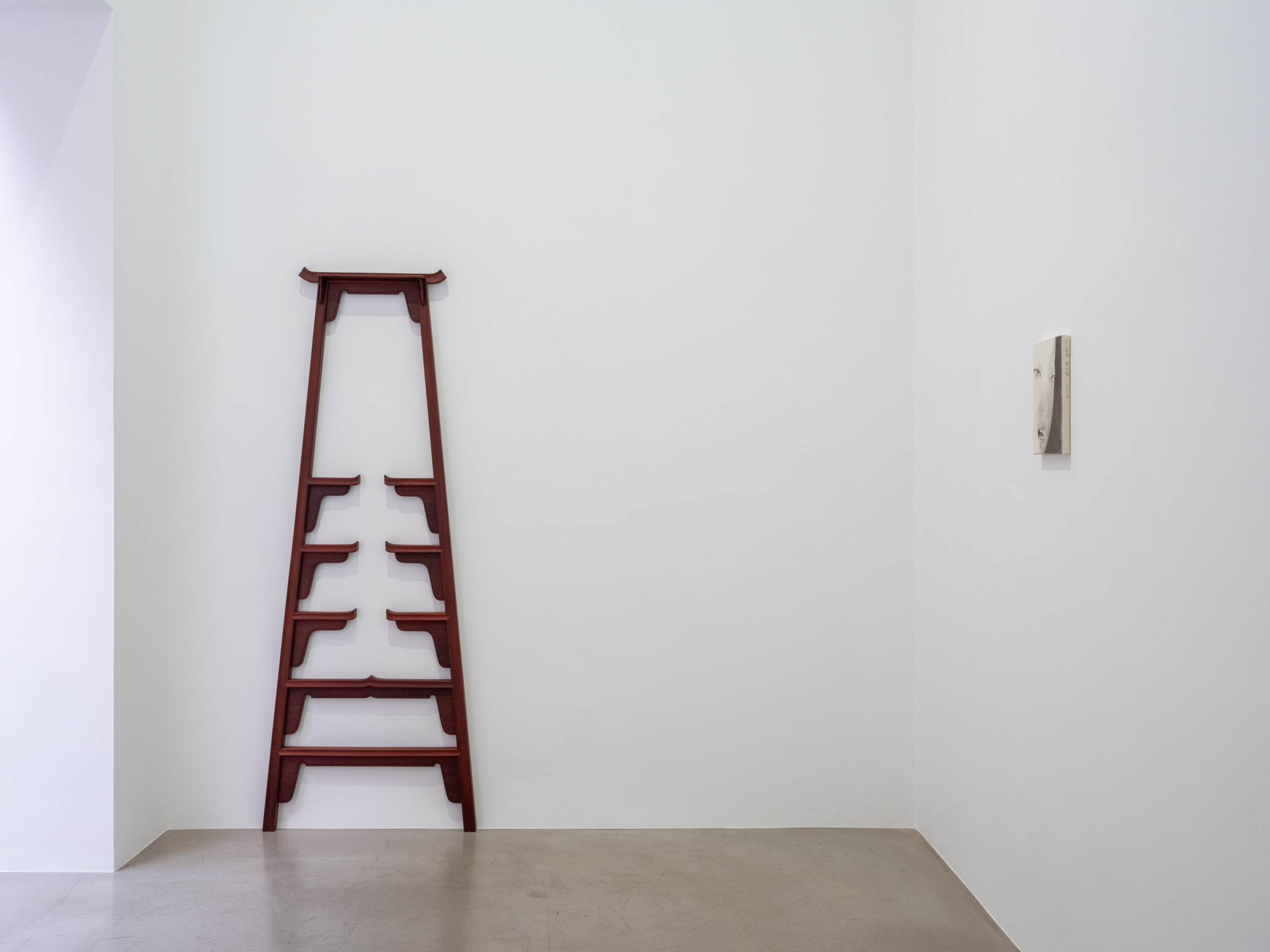
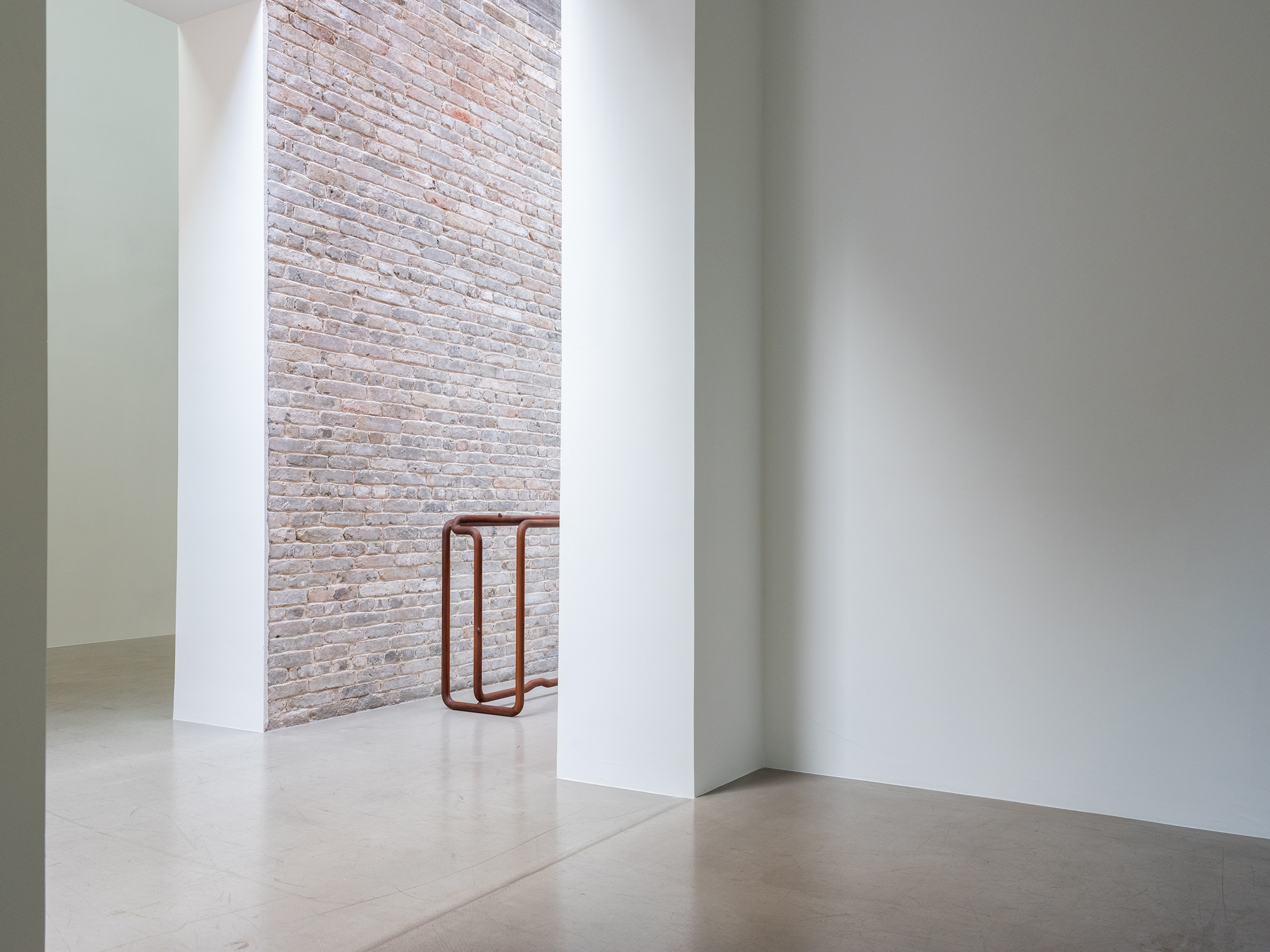
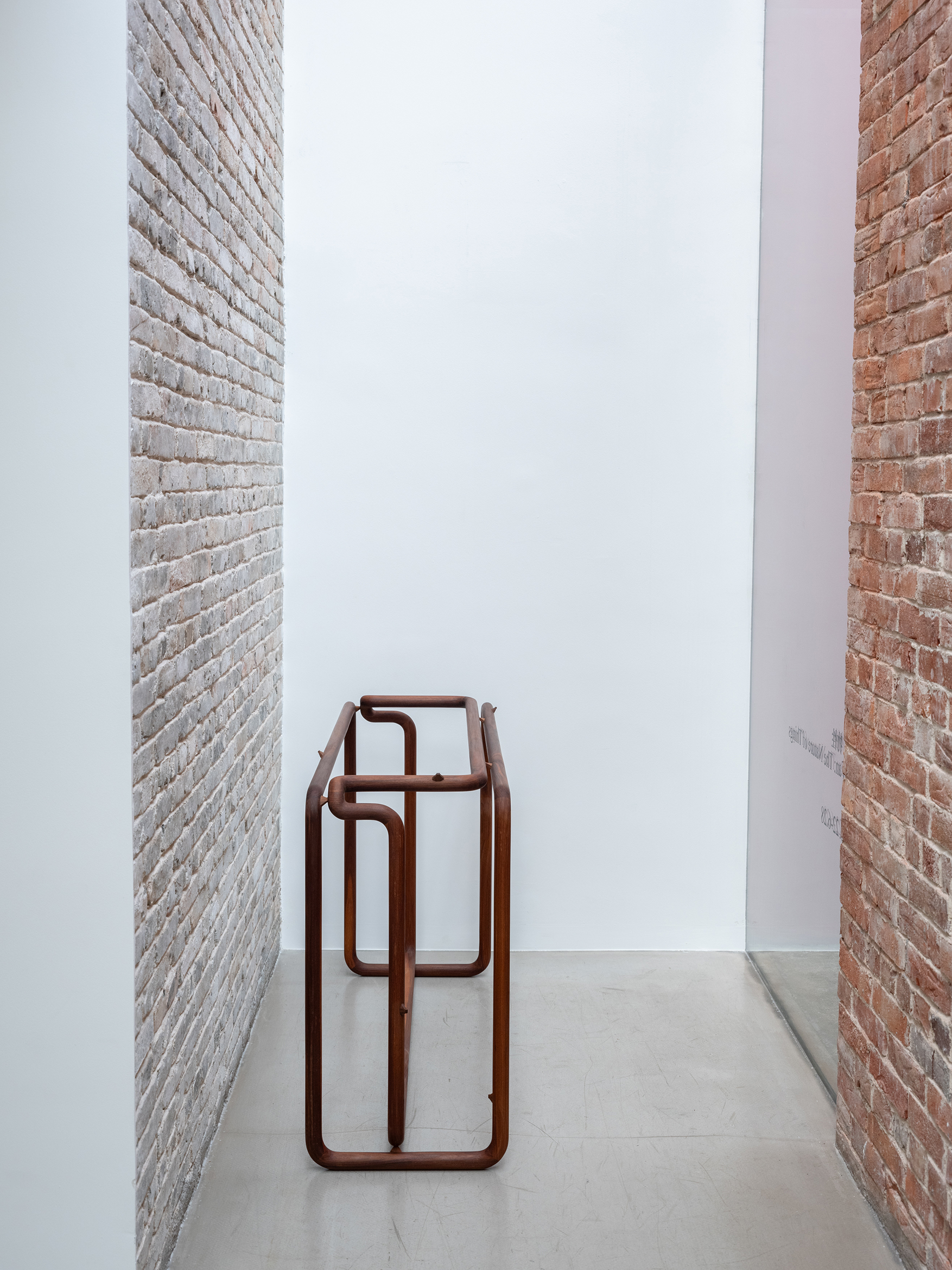
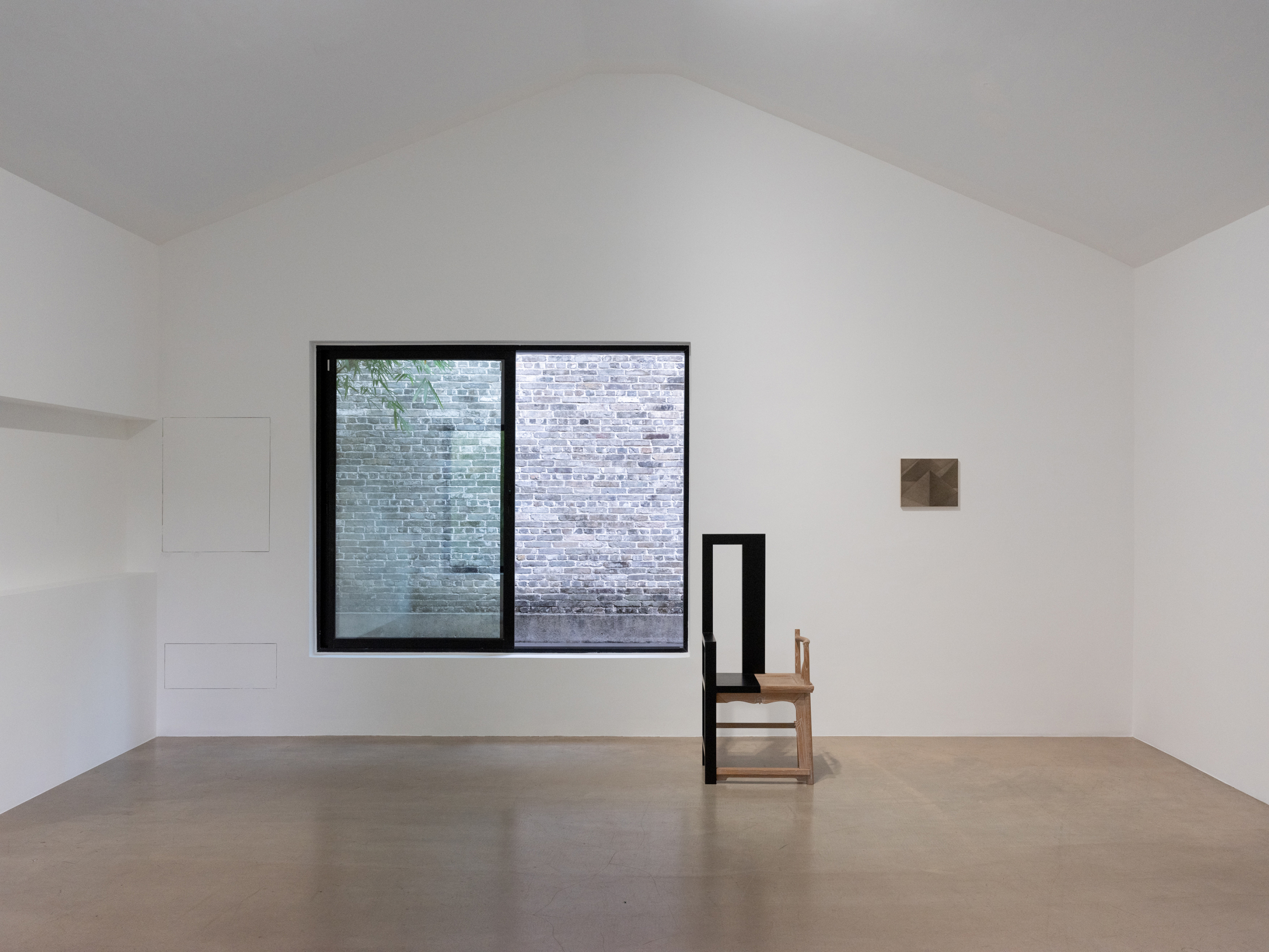
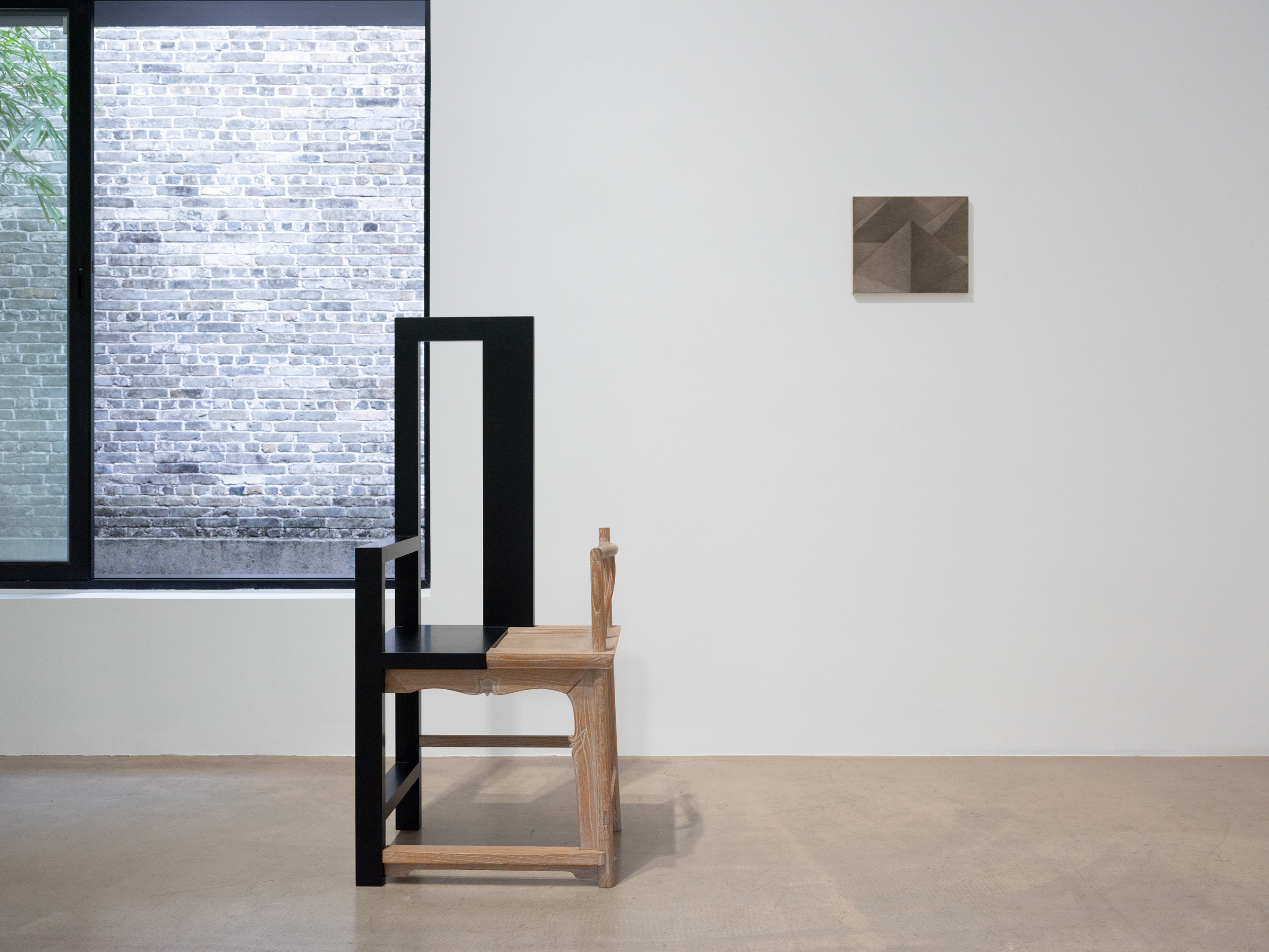
Shao Fan: The Nature of Things brings together a selection of three-dimensional works and two-dimensional paintings by the artist. Since the 1990s, Shao Fan has repeatedly returned to the chair as a structural prototype through which the relationships between material, structure, and the emergence of form are examined.
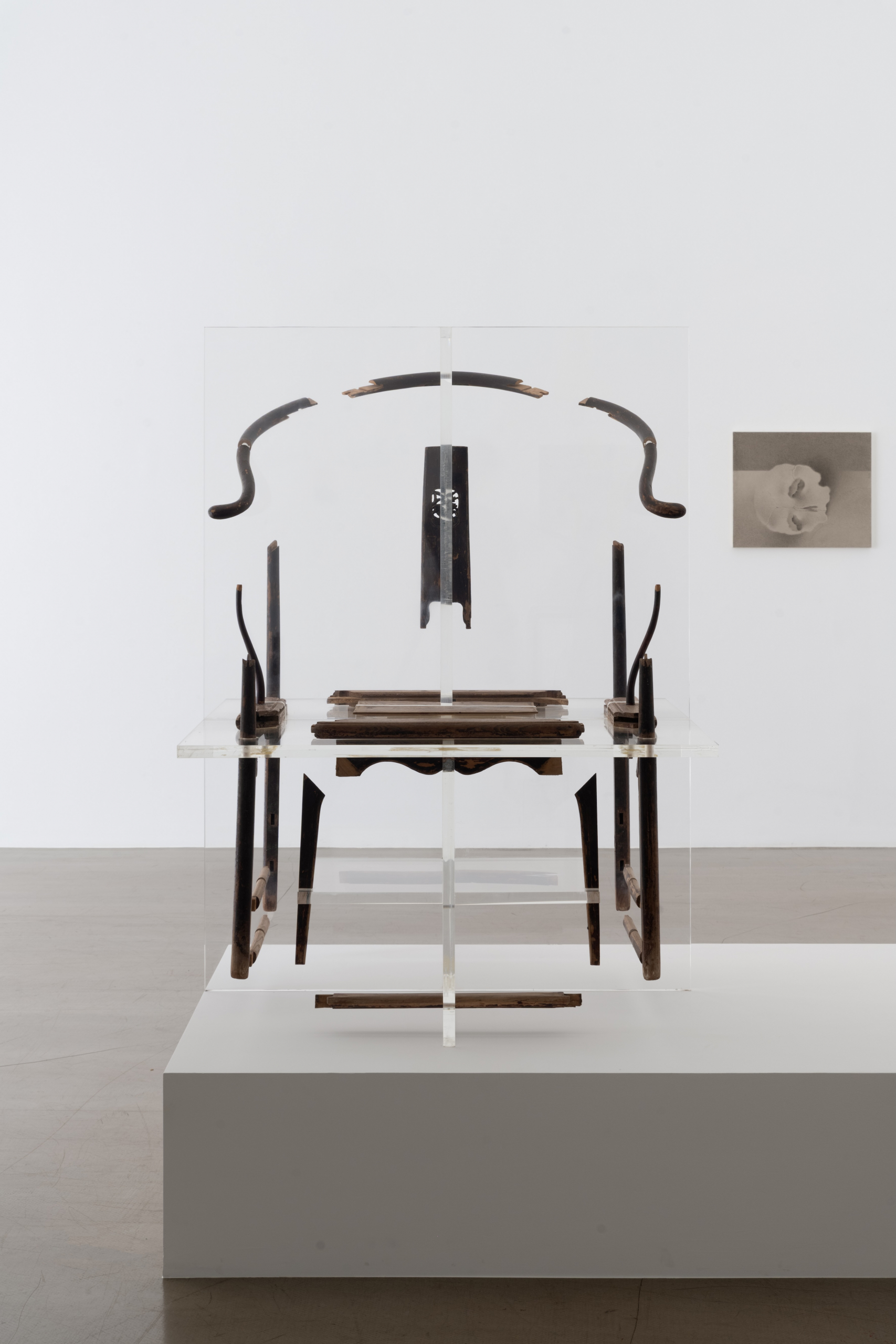
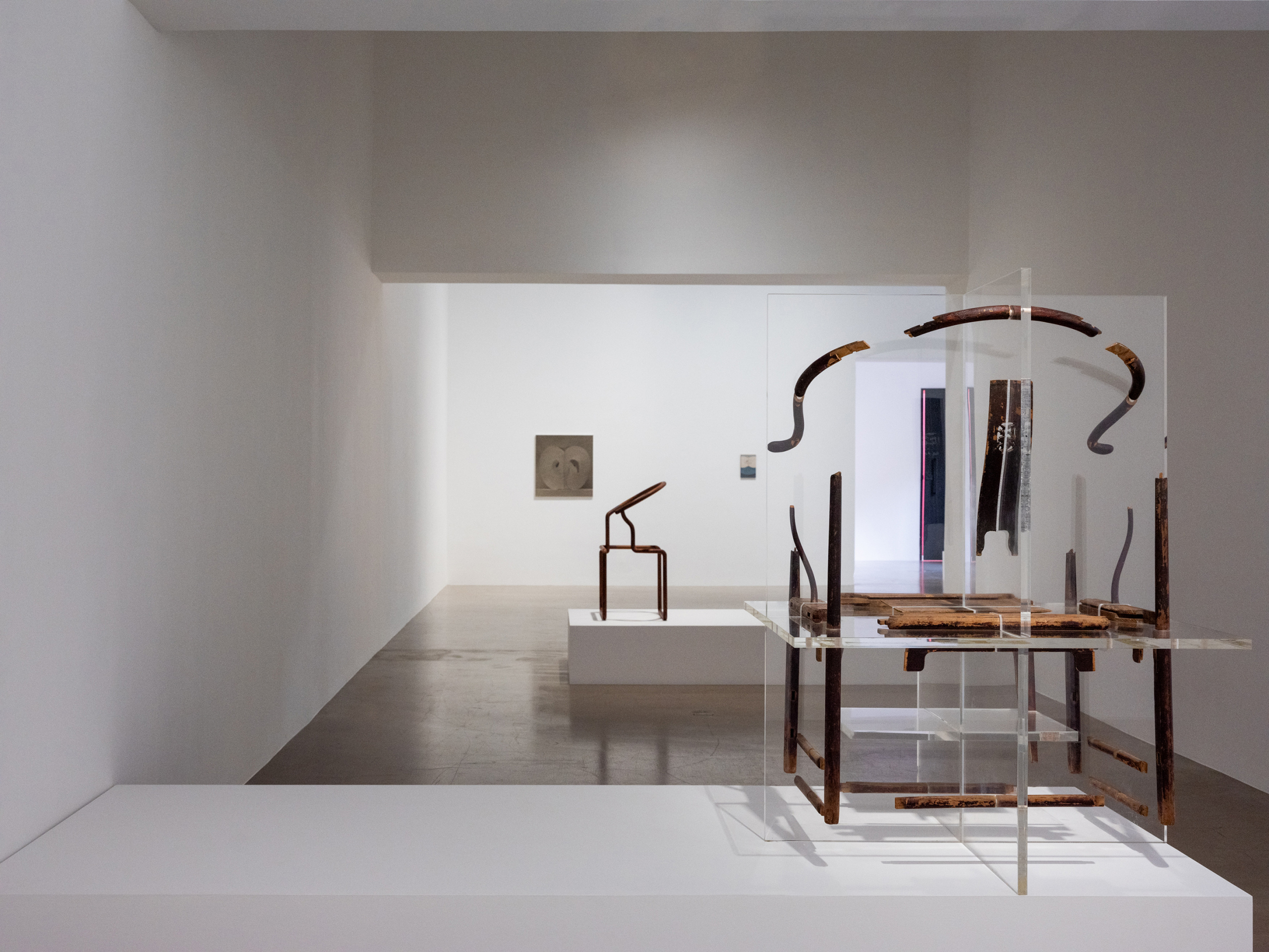
In these works, the traditional mortise-and-tenon system is no longer simply a method of construction. It functions as a generative principle through which form comes into being. Rather than following predetermined models, forms emerge through the dynamic balance of tension and relation.
Across three-dimensional work and painting, Shao Fan’s practice explores how material, time, and structure give rise to order. The Nature of Things reflects the artist’s ongoing inquiry into how forms come into being, and how the logic of making continues to shape our understanding of the world. Here, “the nature of things” refers not merely to the properties of matter, but to a generative logic through which form appears—and to a way of perceiving how the world comes into being.
______
Perhaps the future is the reflection of the past. When one looks back deeply enough,
one begins to see what lies ahead.
— Shao Fan
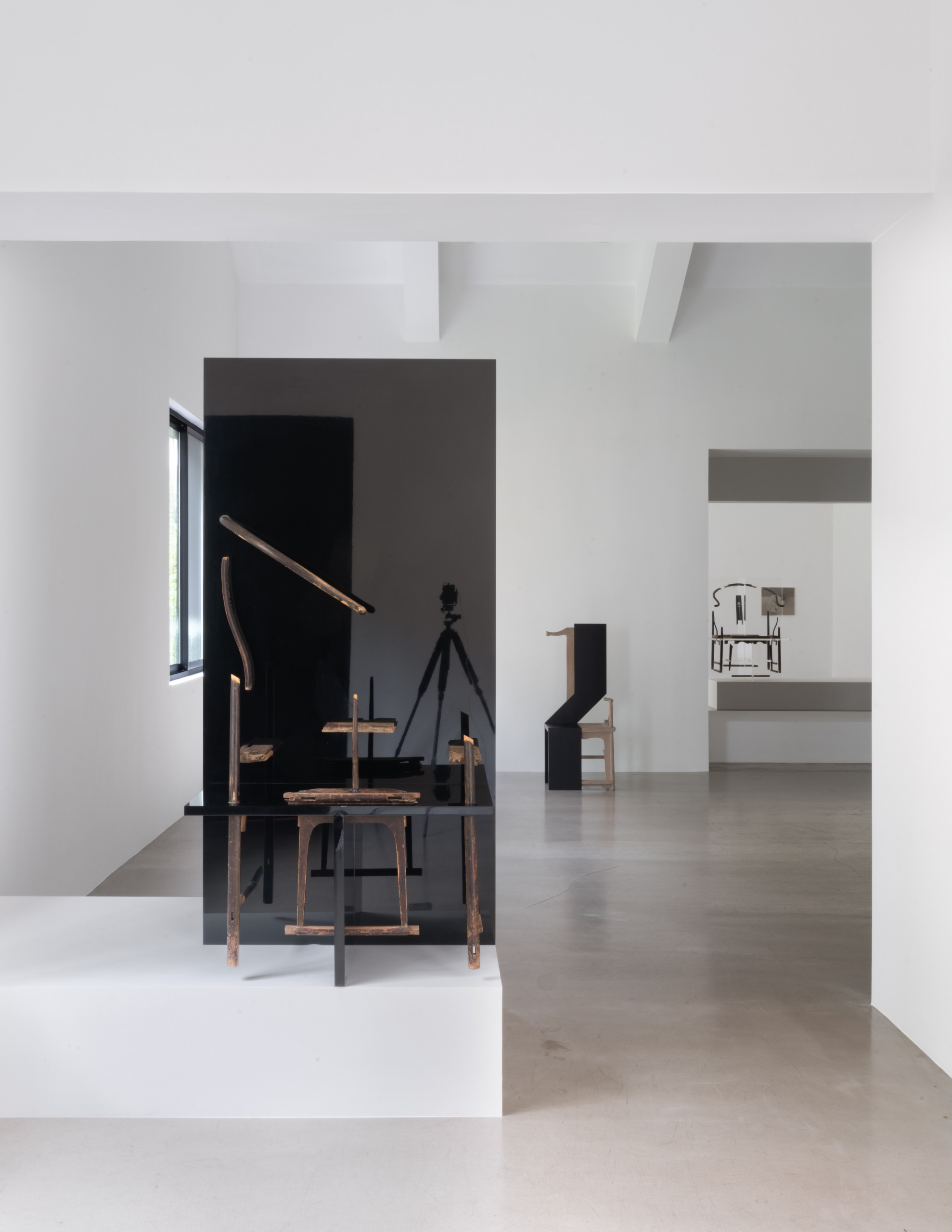
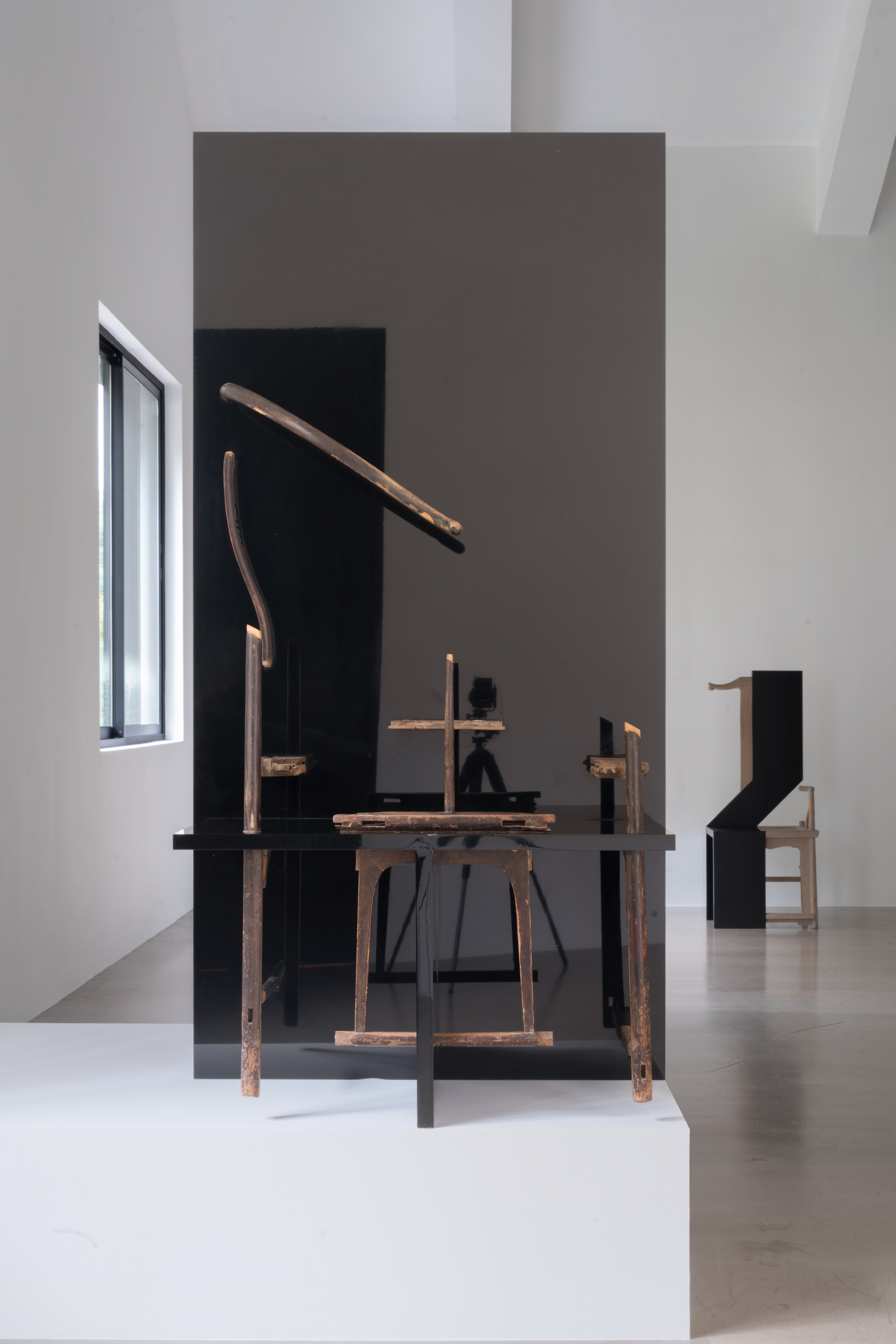
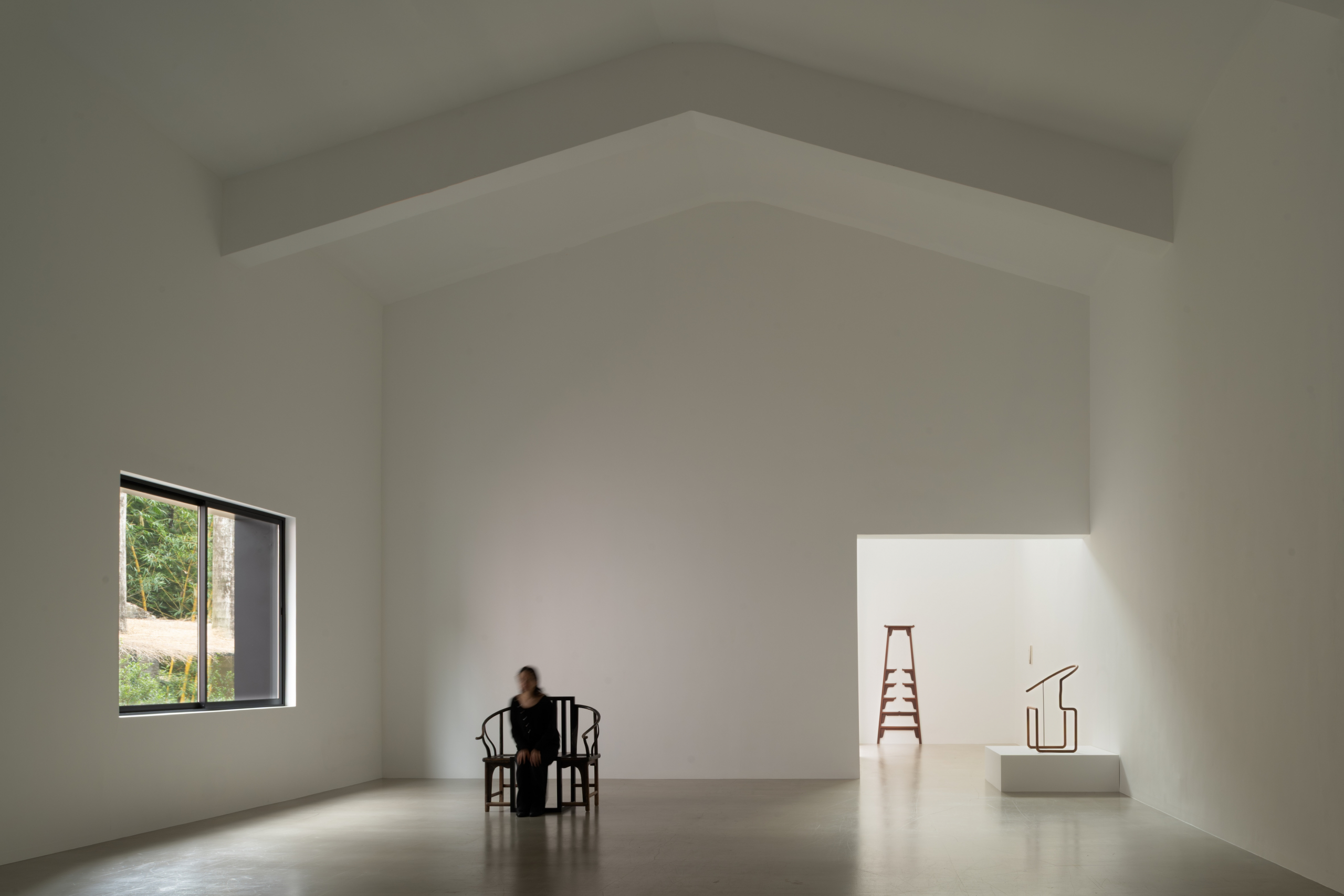
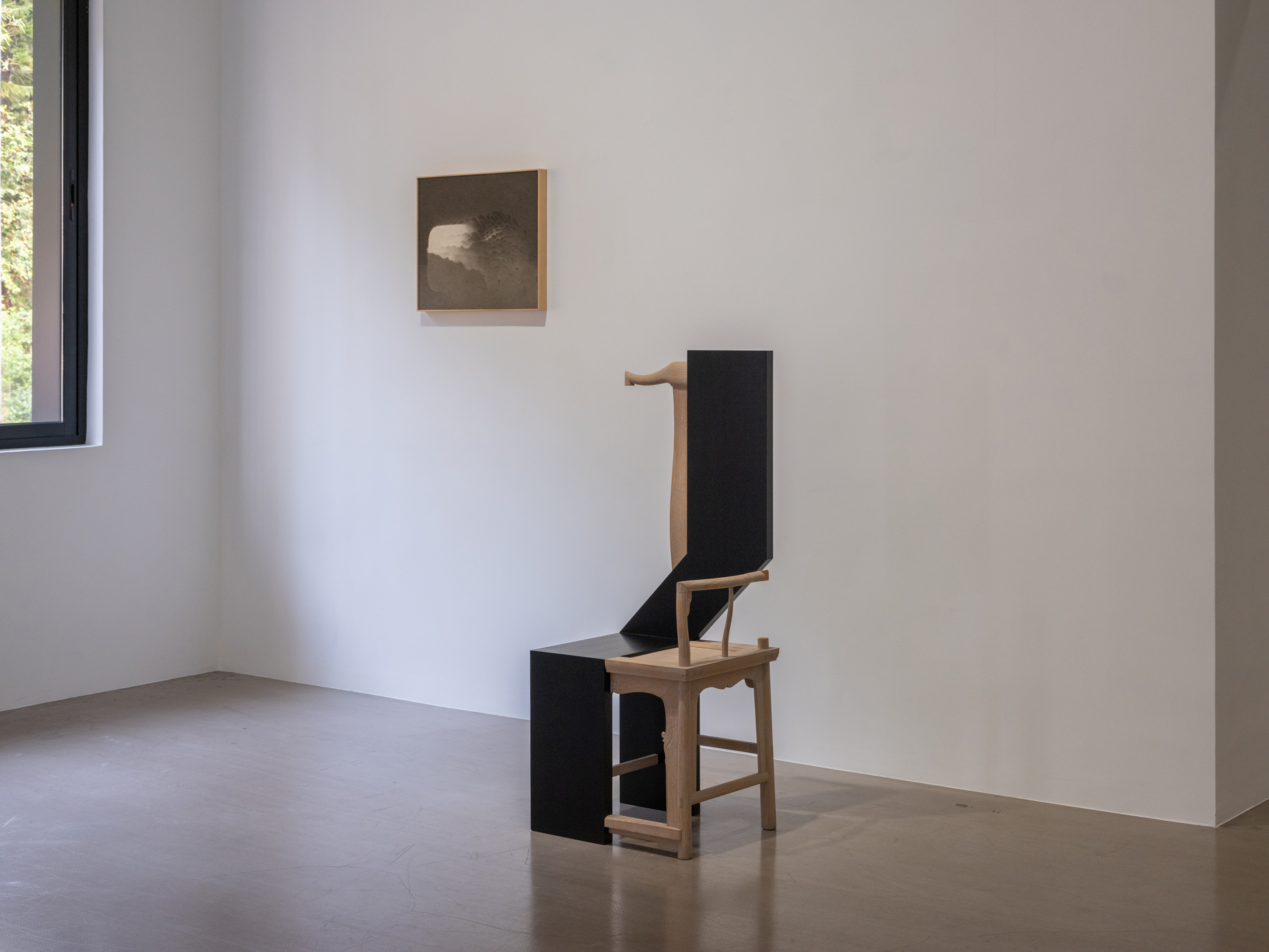
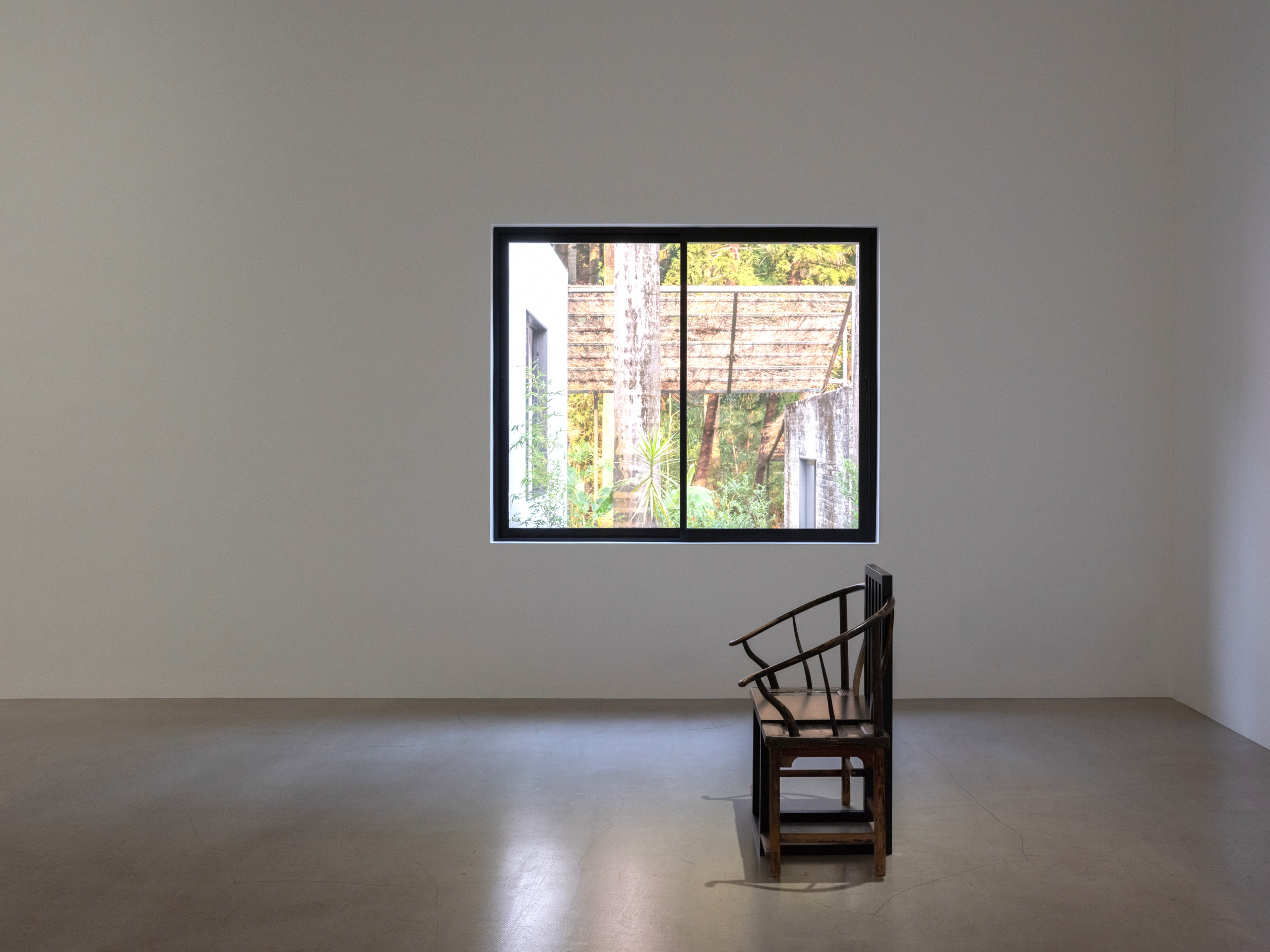
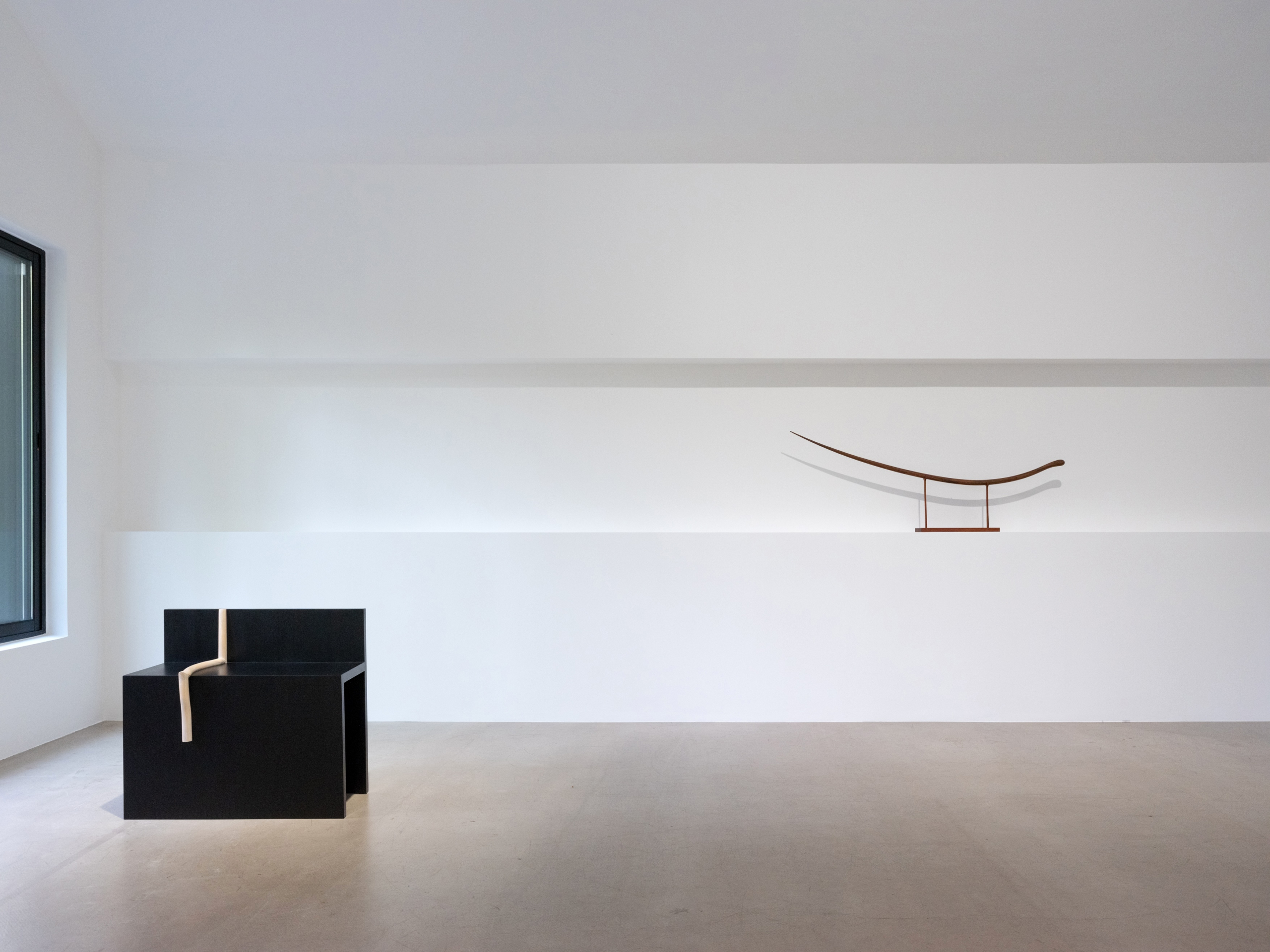
When we encounter Shao Fan’s “chair” again in the present, the “mystery of its species” that has accompanied it since its emergence in the 1990s still seems far from resolved. It remains in a suspended state: neither sculpture in the conventional sense nor readily classifiable as furniture. Rather, it appears as a structural question. When function is pushed to its limits and craft detaches from utility, when different cosmological system intersect, might the once closed framework of an object unfold into a fluid path?
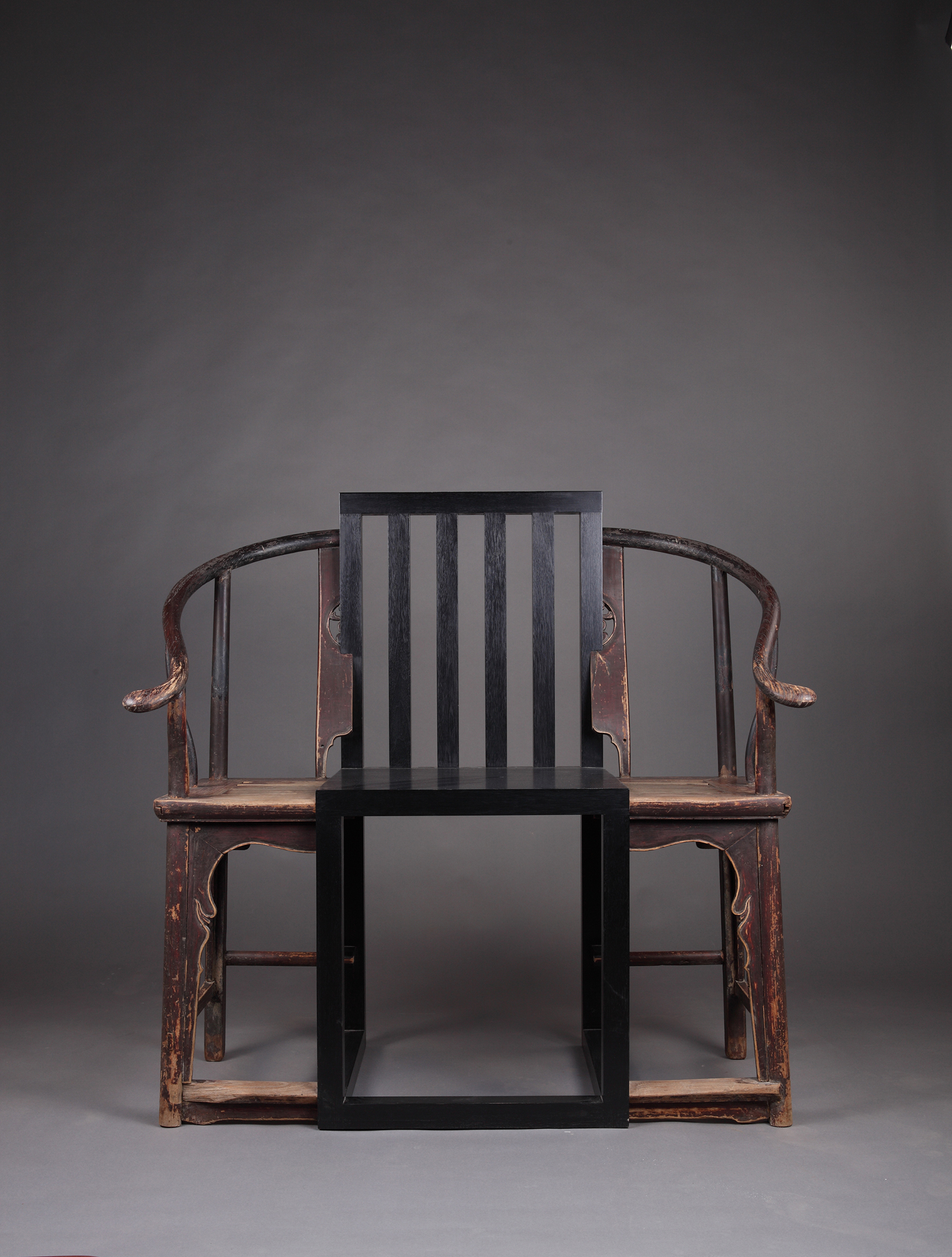
Shao Fan,Work No. 1, 1995,1995,elm wood, catalpa wood,107 × 108 × 52 cm. Courtesy of the artist and Vitamin Creative Space.
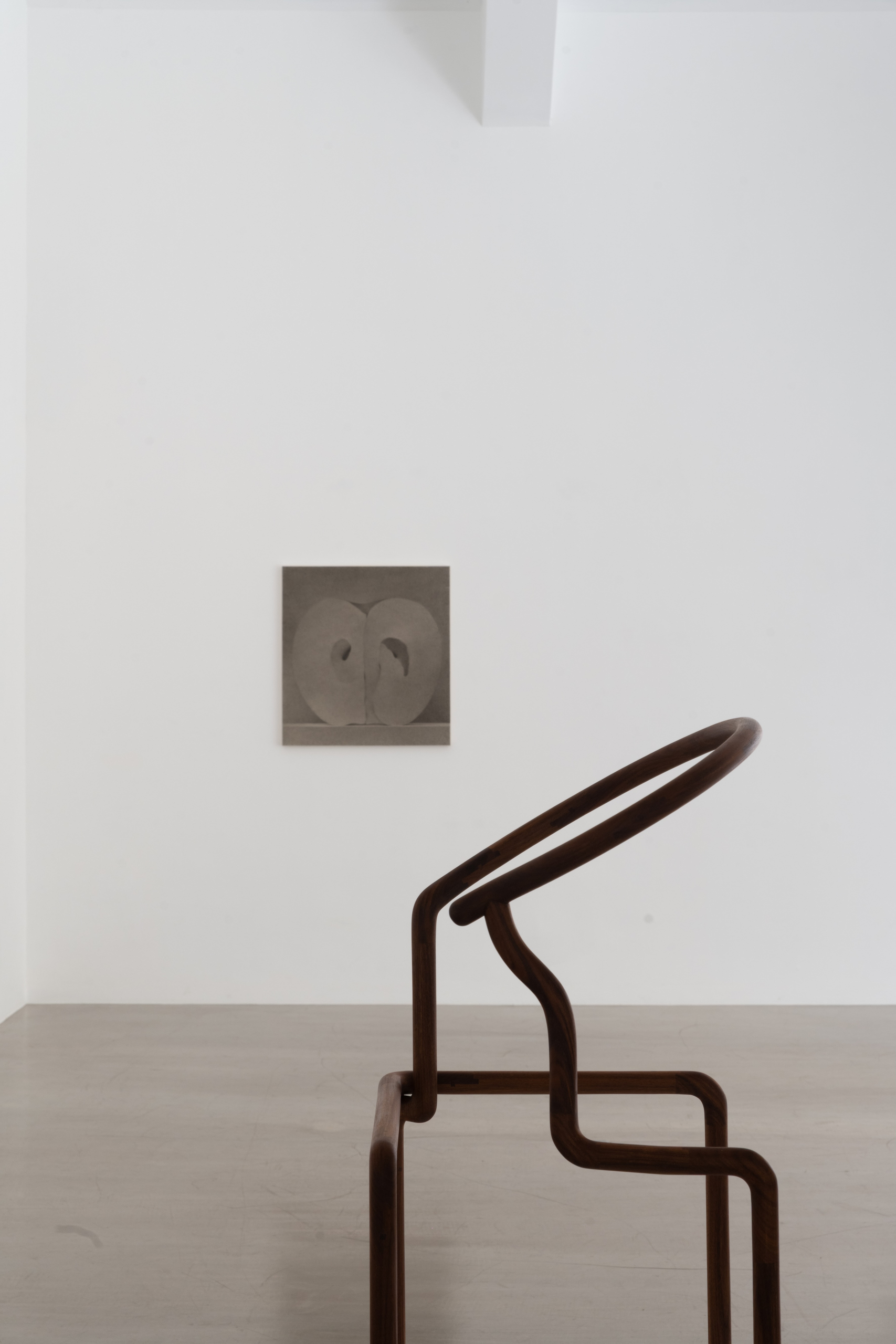
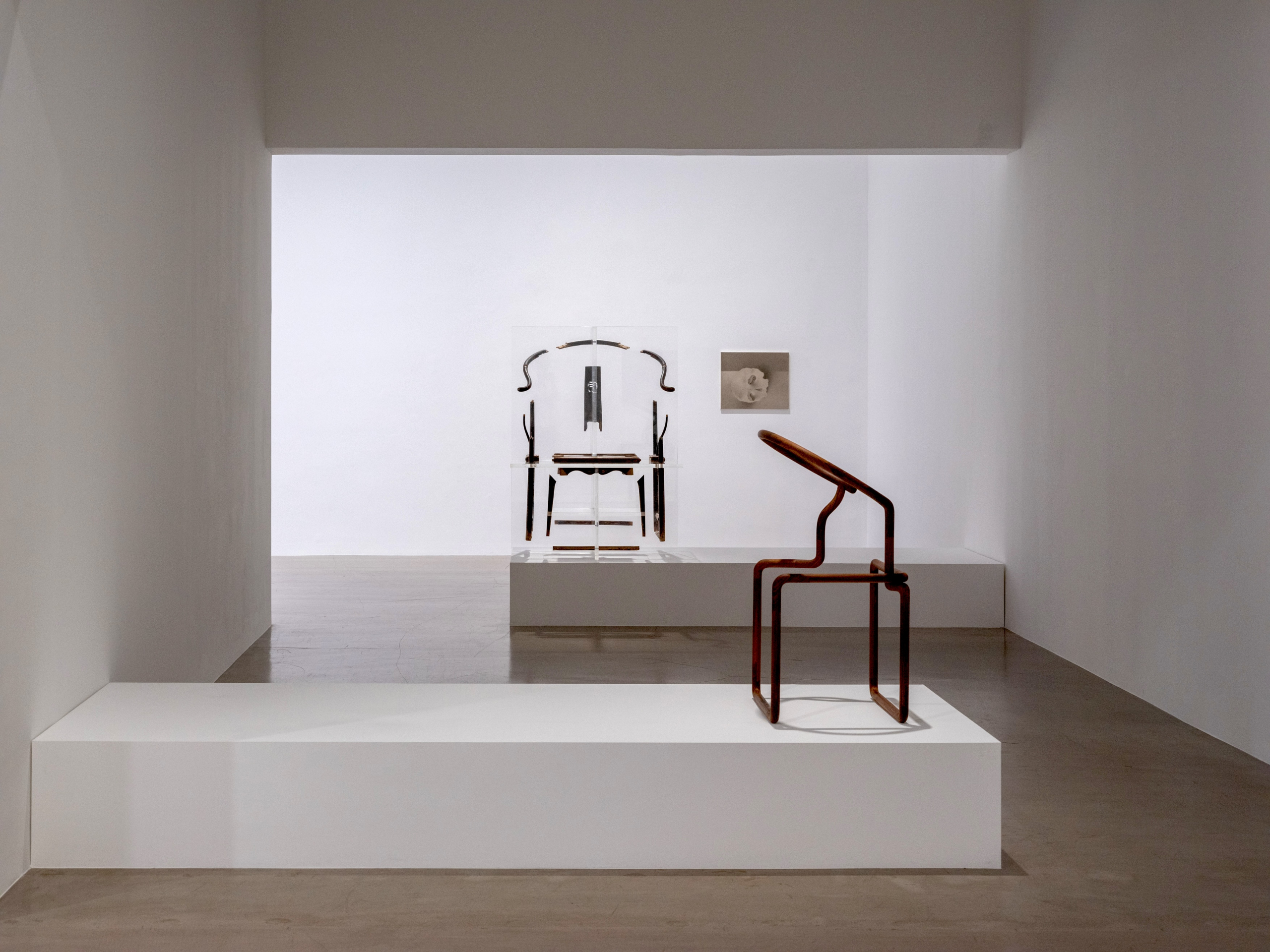
Here, the mortise-and-tenon system is no longer merely a craft technique, but a generative principle. The interlocking of convex and concave, of yin and yang, does not dissolve opposition, neverthless sustains equilibrium through tension. By responding to the expansion and contraction of material and the passage of time, structure maintains order through ongoing processes of formation. Craft thus reveals a deeper logic: it not only joins components, but organizes relations.
Borrowing the philosopher Yuk Hui’s concept of cosmotechnics, mortise-and-tenon may be understood as a generative cosmotechnical prototype that brings heaven, earth, human practice and material into a shared constructive process. In contrast stands the cosmological model centered on geometric form that has shaped Western thought since ancient Greece. When geometry enters the mortise-and-tenon system, these two cosmological paradigms overlap within the same object, allowing structure to open outward as a field of relations.
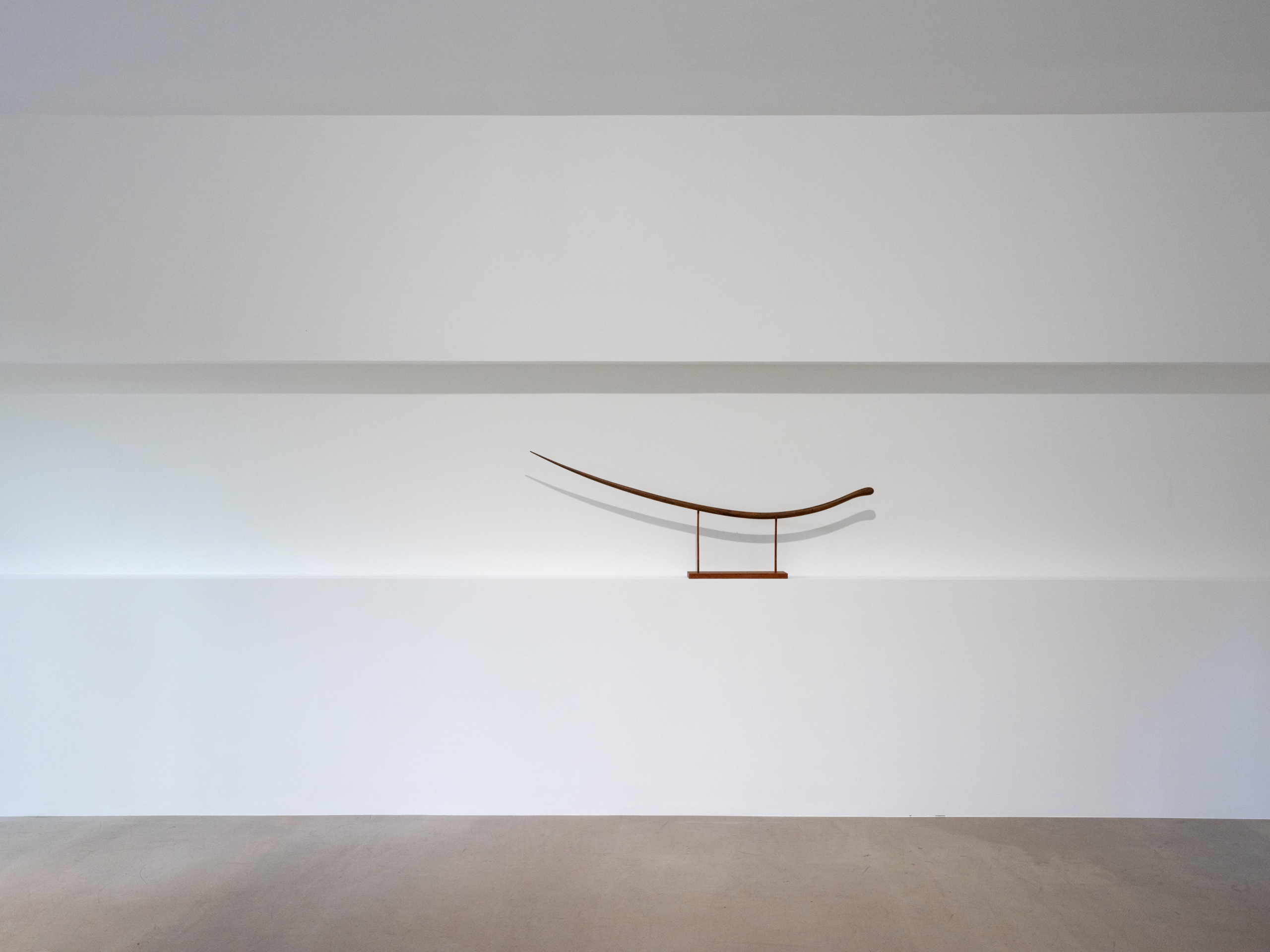
In works created since the turn of the millennium, Shao Fan gradually pushes this logic toward a more autonomous level of form. Structure no longer serves efficiency alone but becomes a means of articulating proportion and the tension of curved surfaces. Form no longer relies on geometric comparison; instead, it emerges through the continuous modulation of curve and tension.
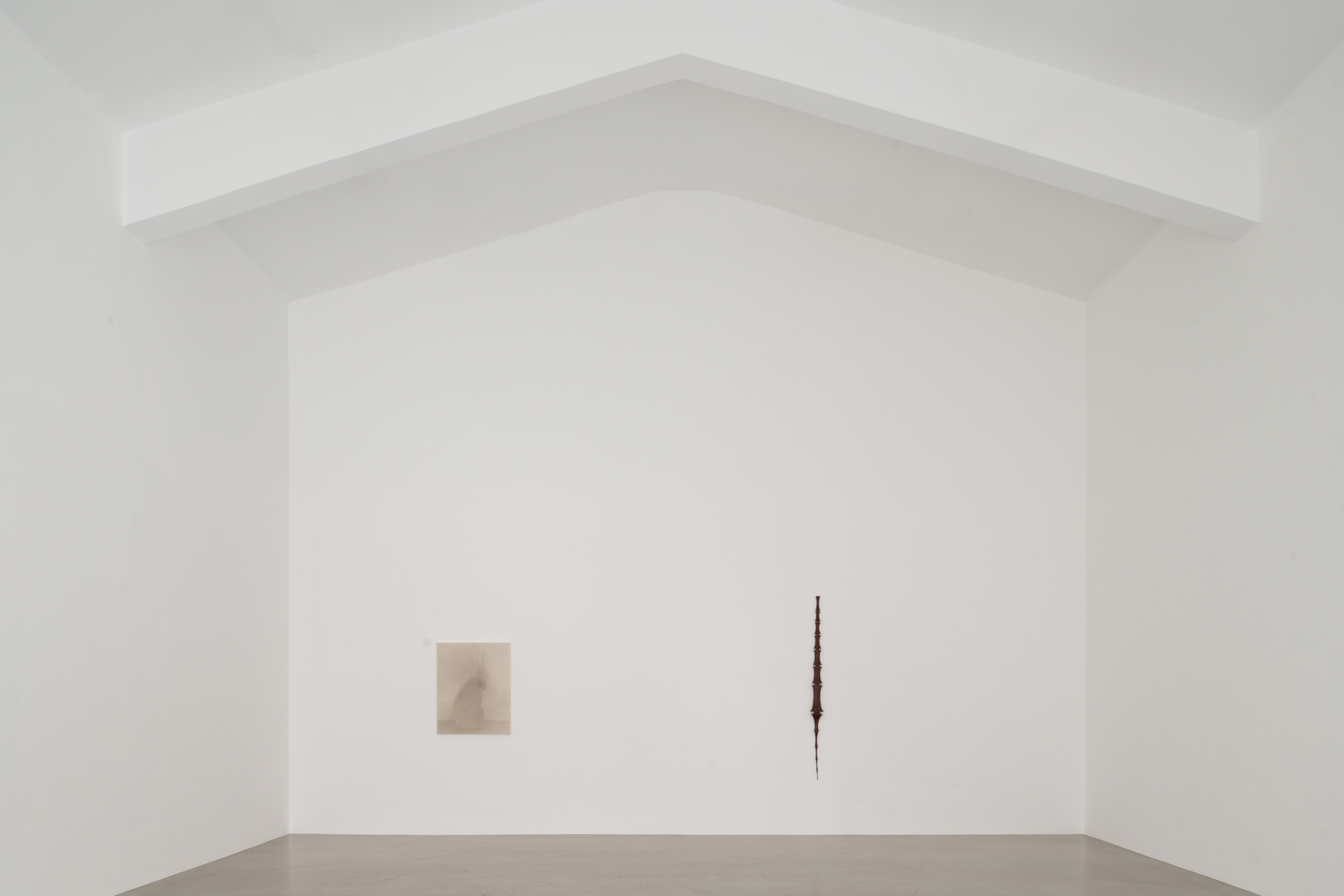
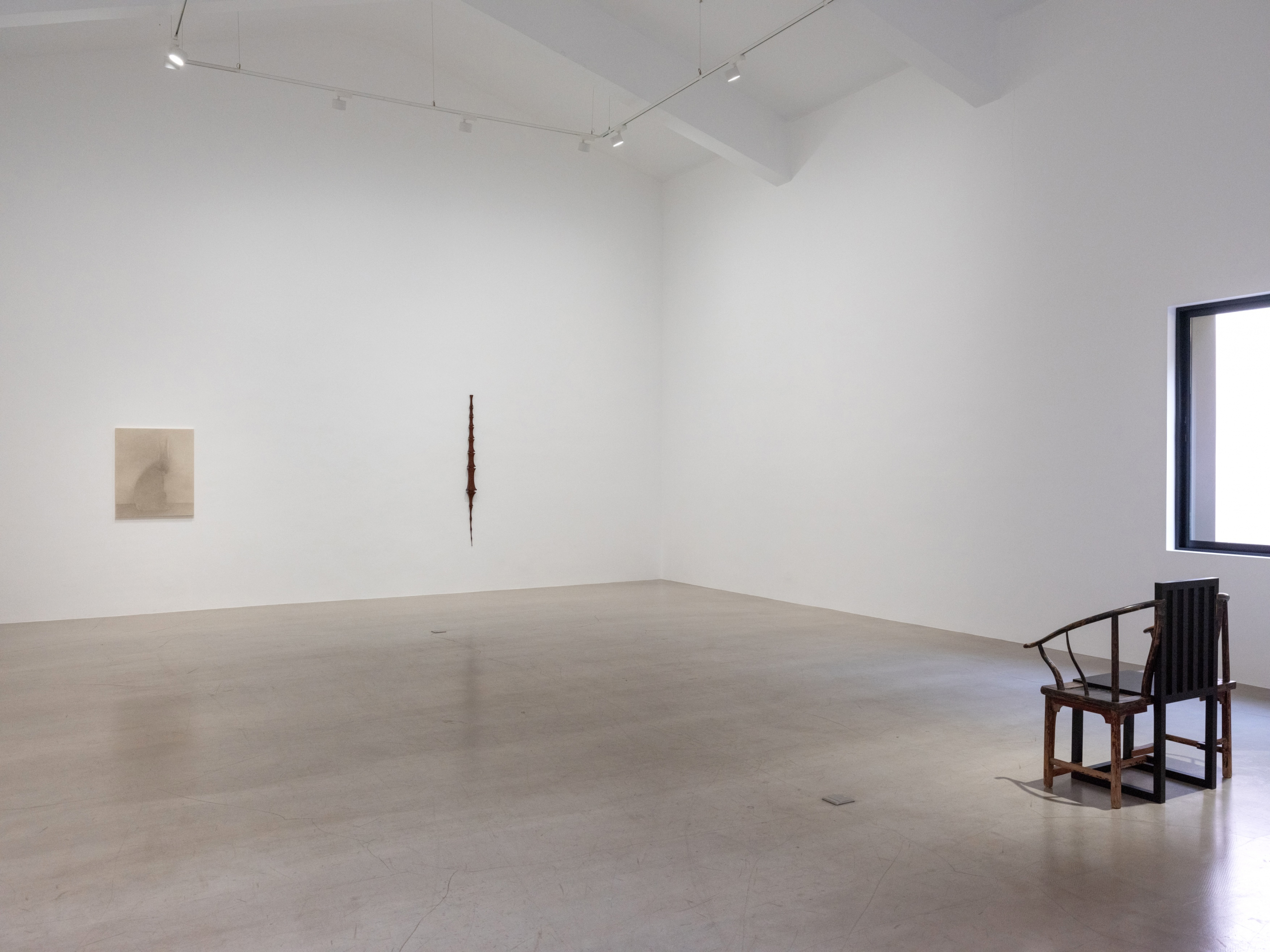
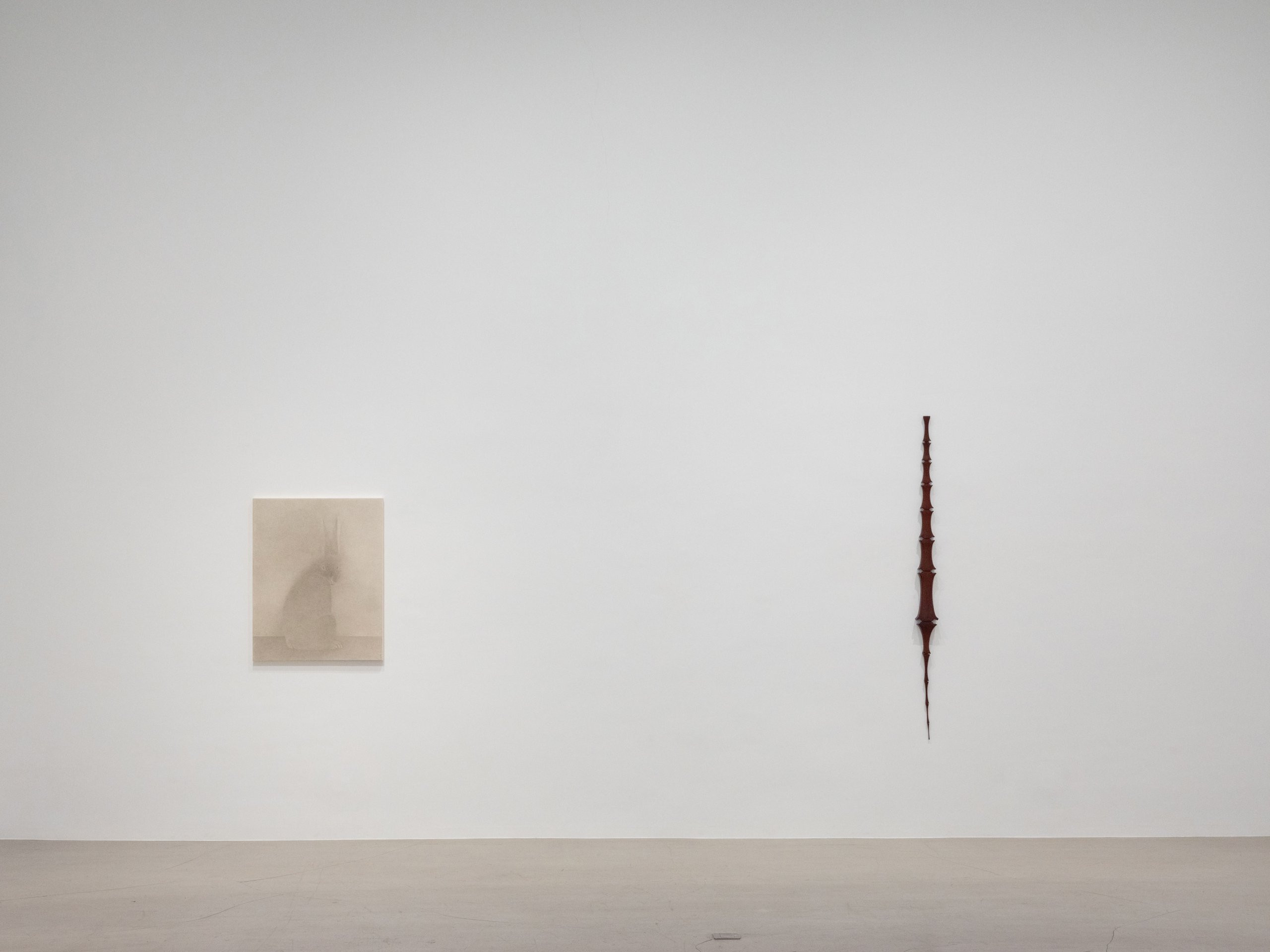
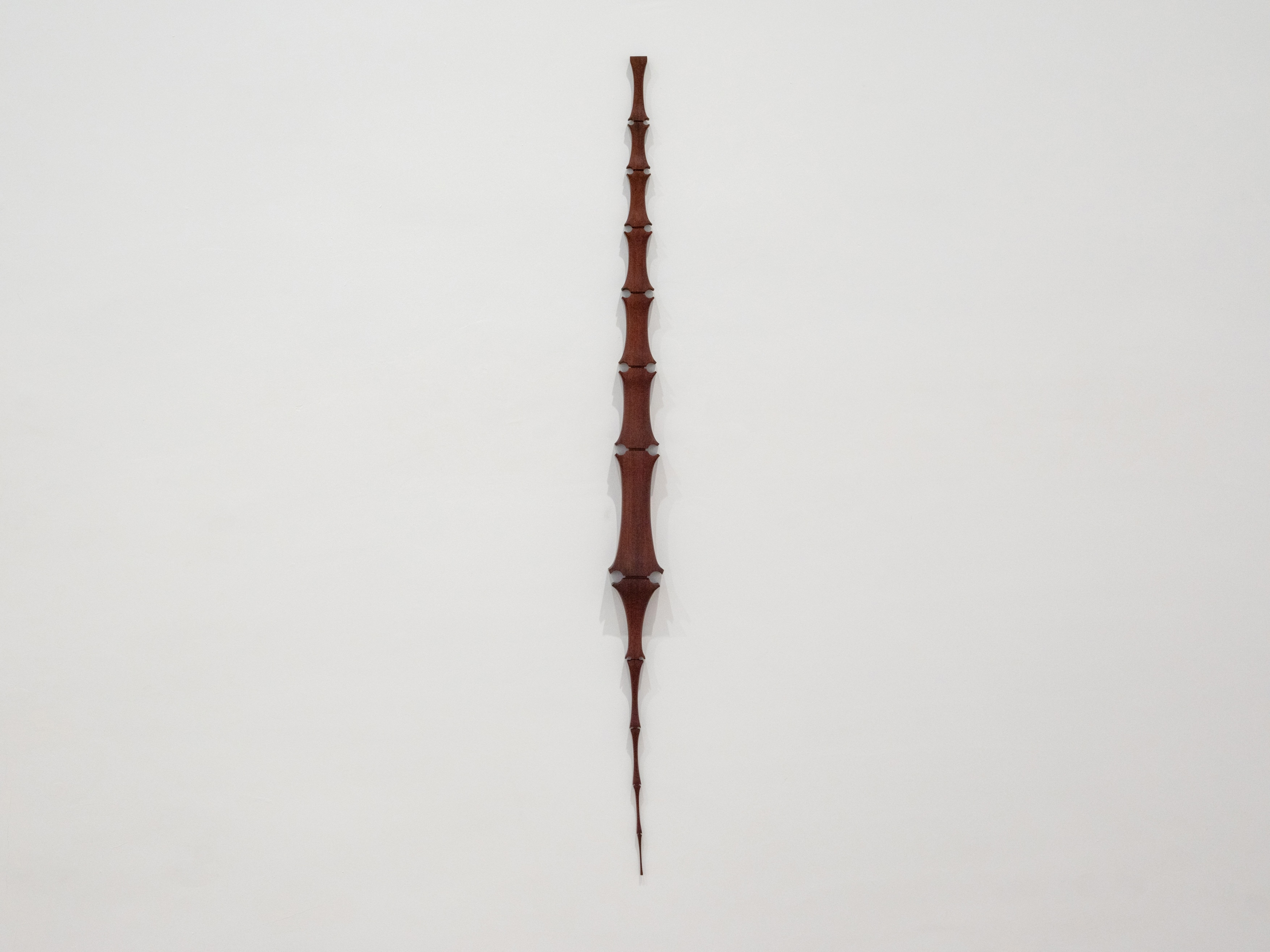
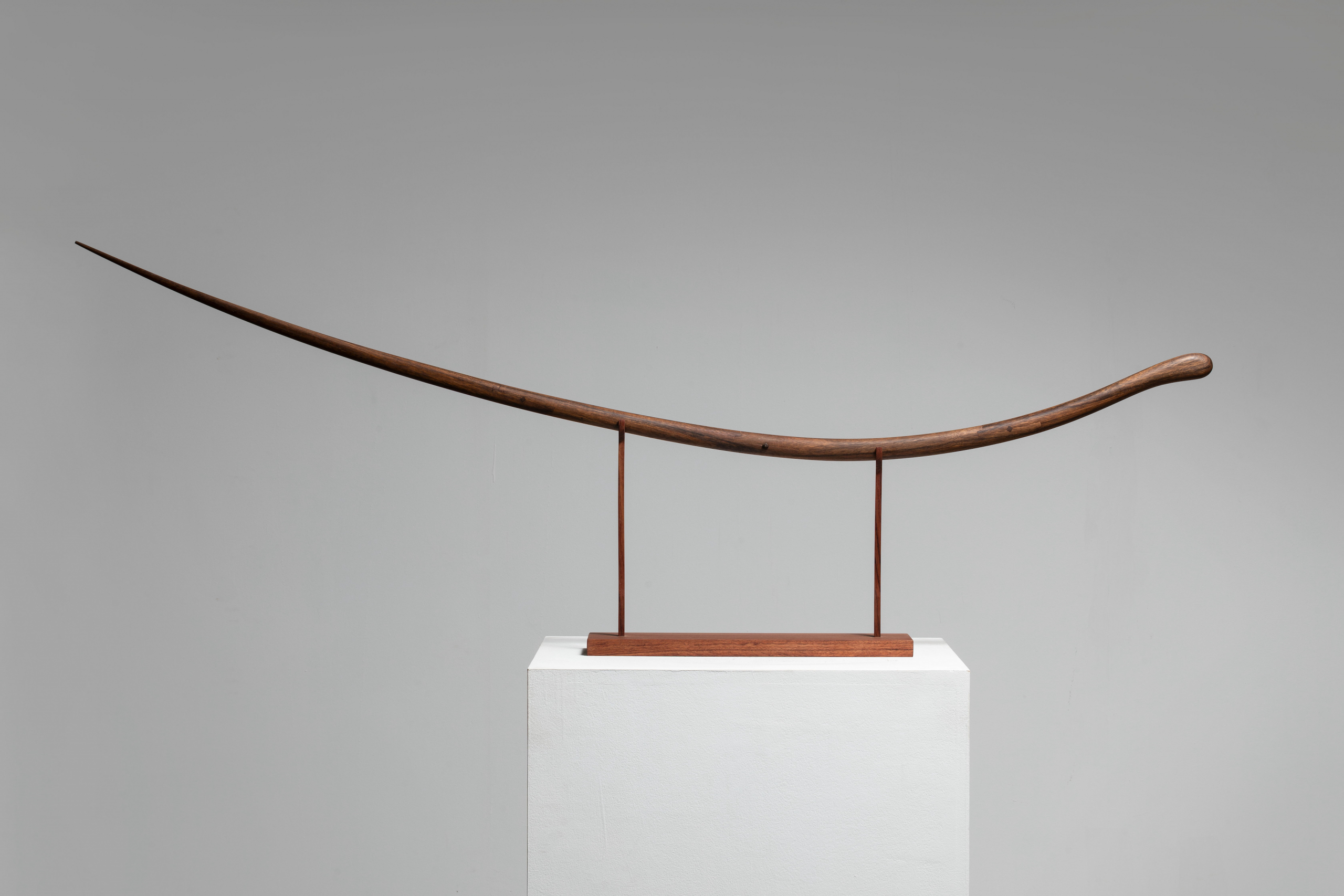 Shao Fan, Ming-Style Eyelash, 2007, walnut wood, 57 × 153 × 12 cm,Φ 6 cm. Courtesy of the artist and Vitamin Creative Space.
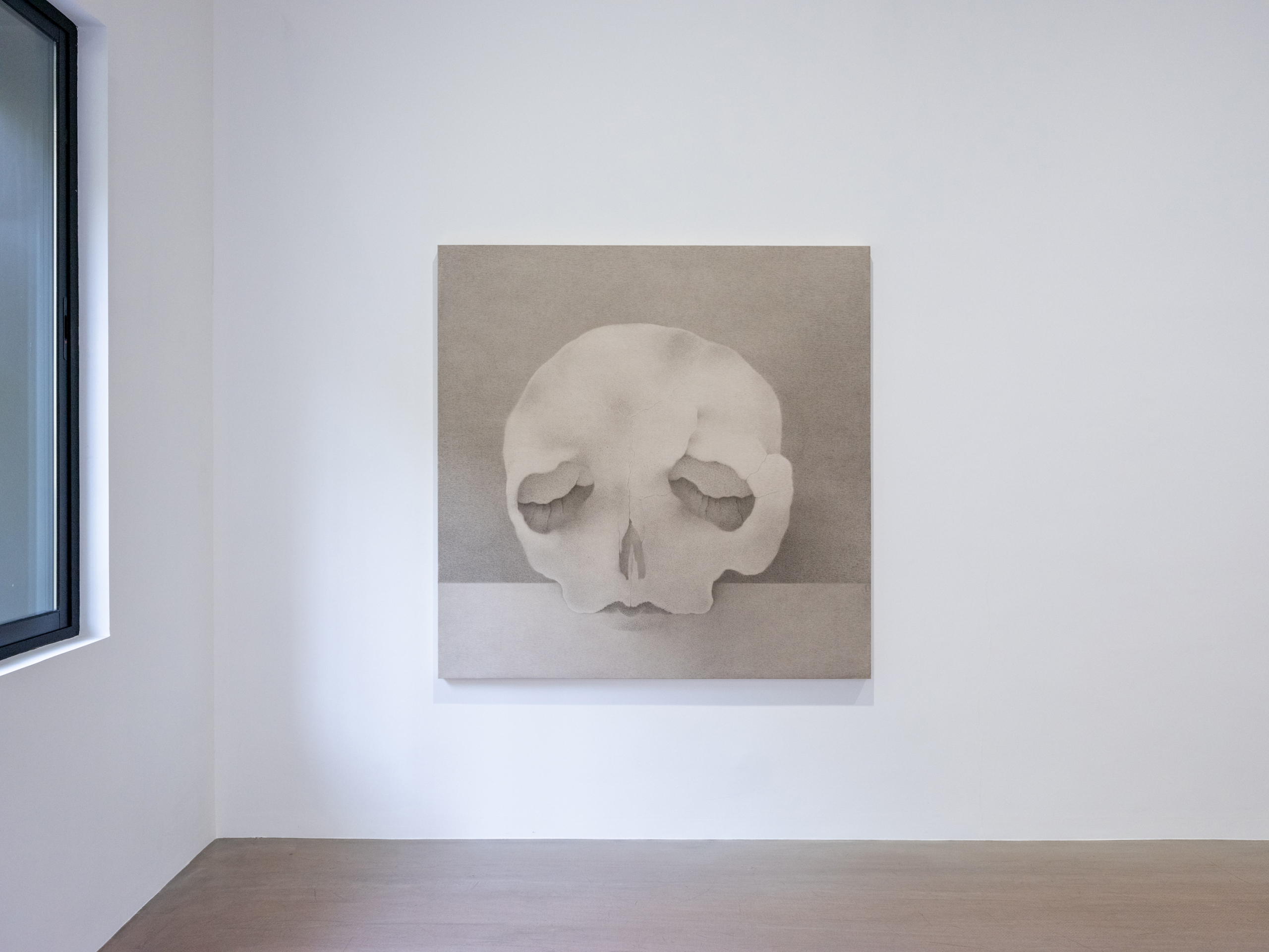
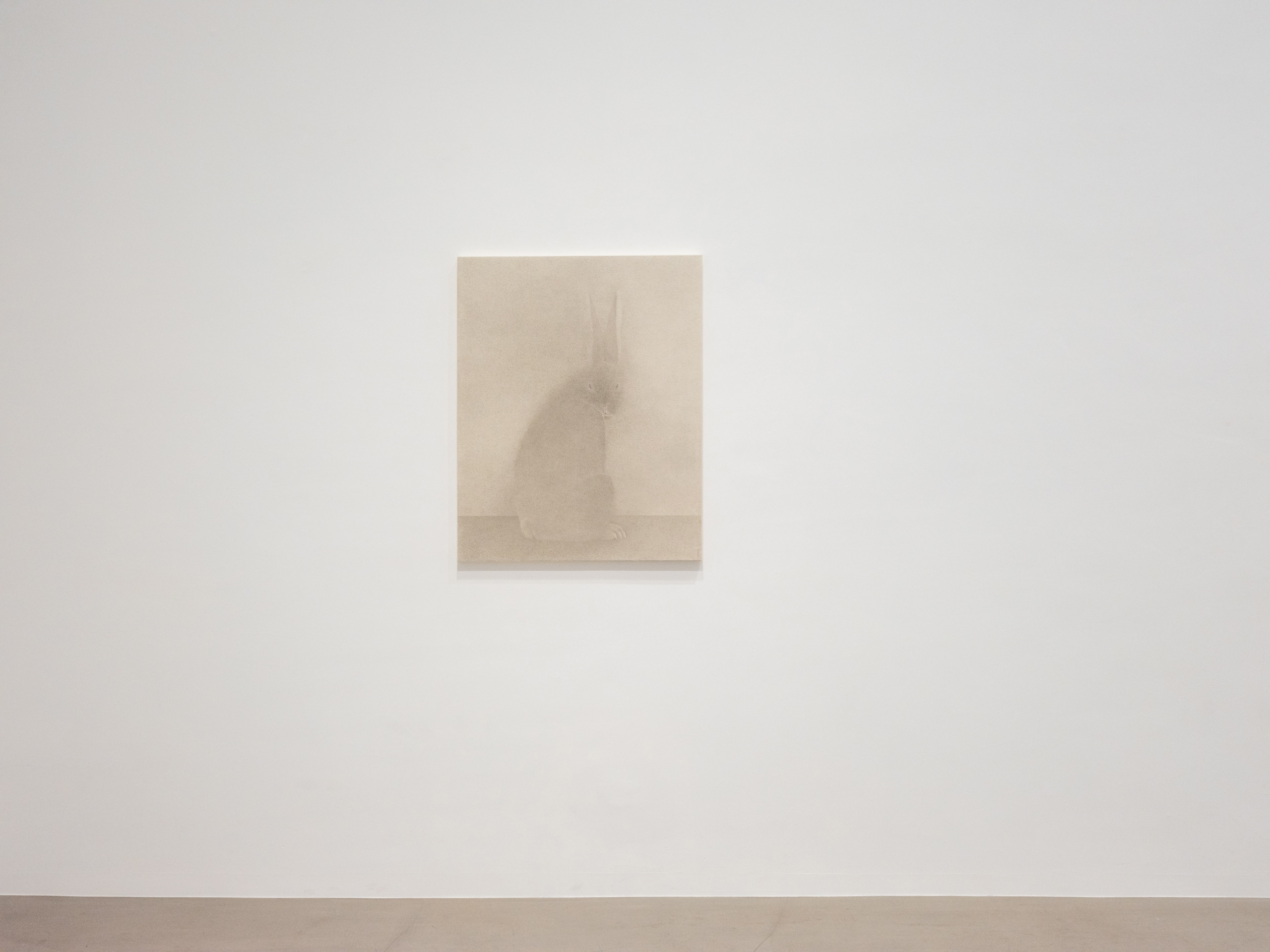
This exploration of generative mechanisms extends naturally to the threshold between three-dimensional and two-dimensional realms. The two-dimensional works are not representations of a three-dimensional world, but manifestations of generative processes themselves. Mortise-and-tenon becomes a way of thinking about boundaries between forms: positive and negative shapes gradually define one another. From what appears as an undifferentiated ground—ink on rice paper—forms slowly unfold, moving from indistinction toward the emergence of natural order.
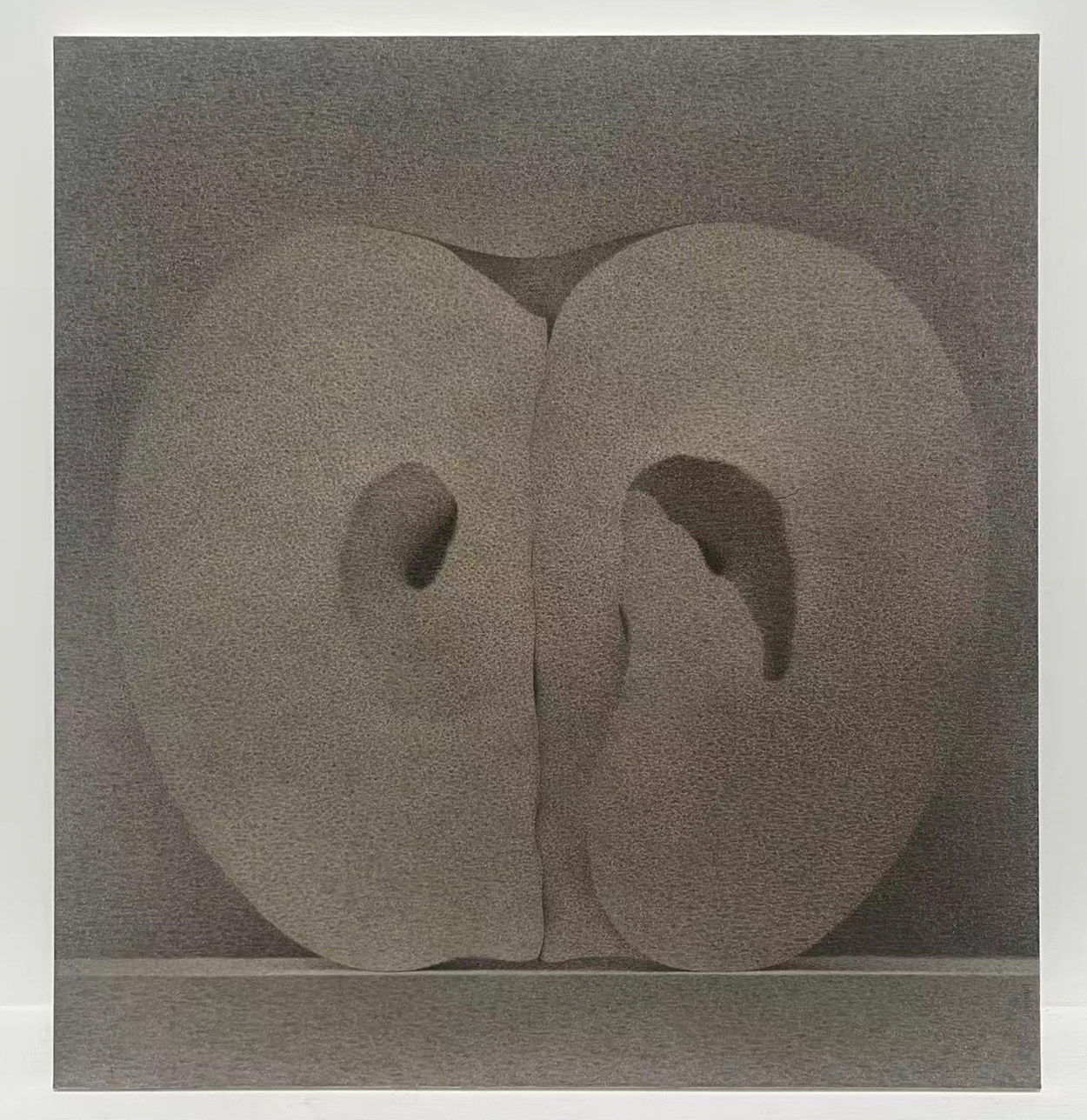
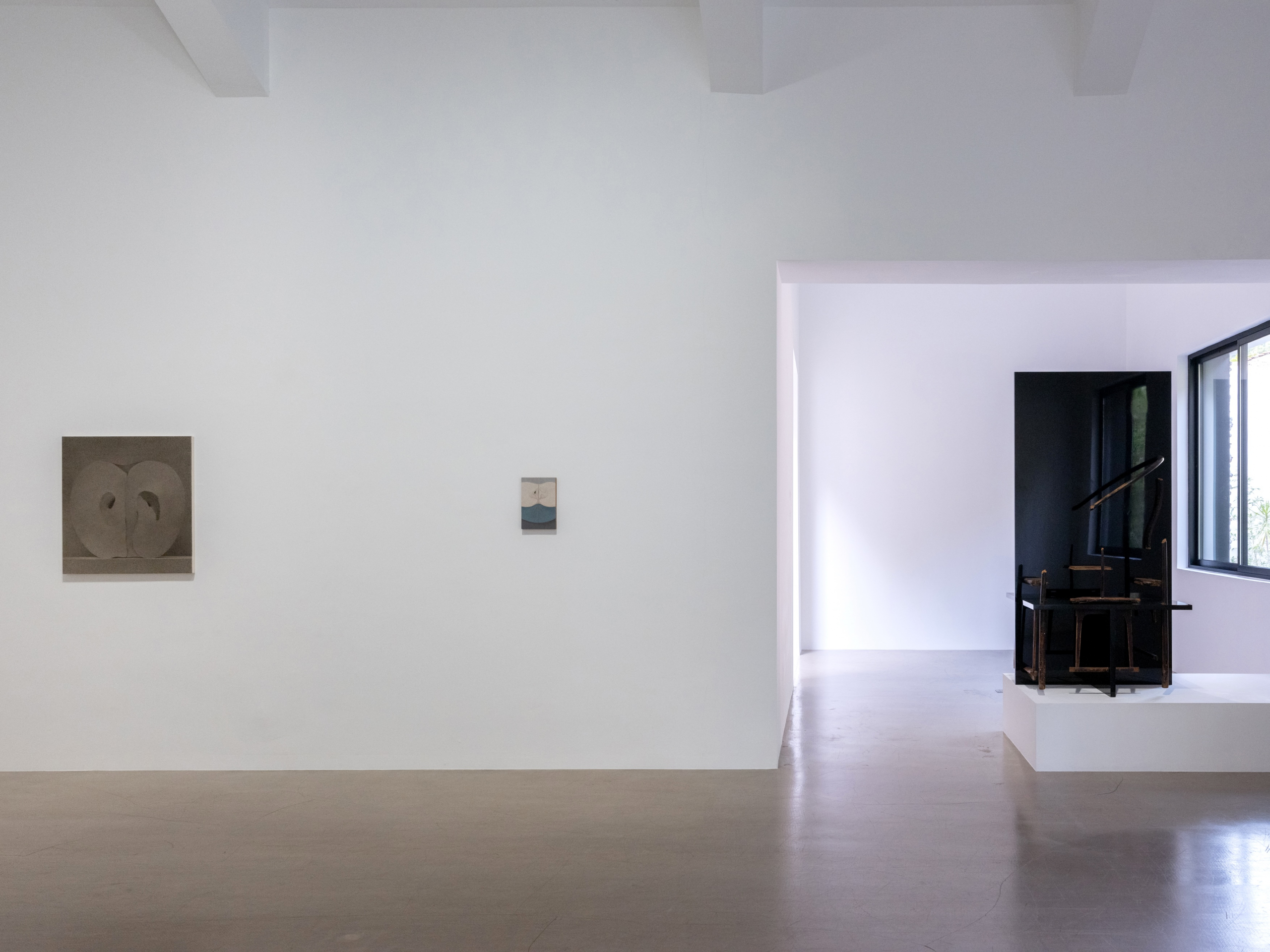
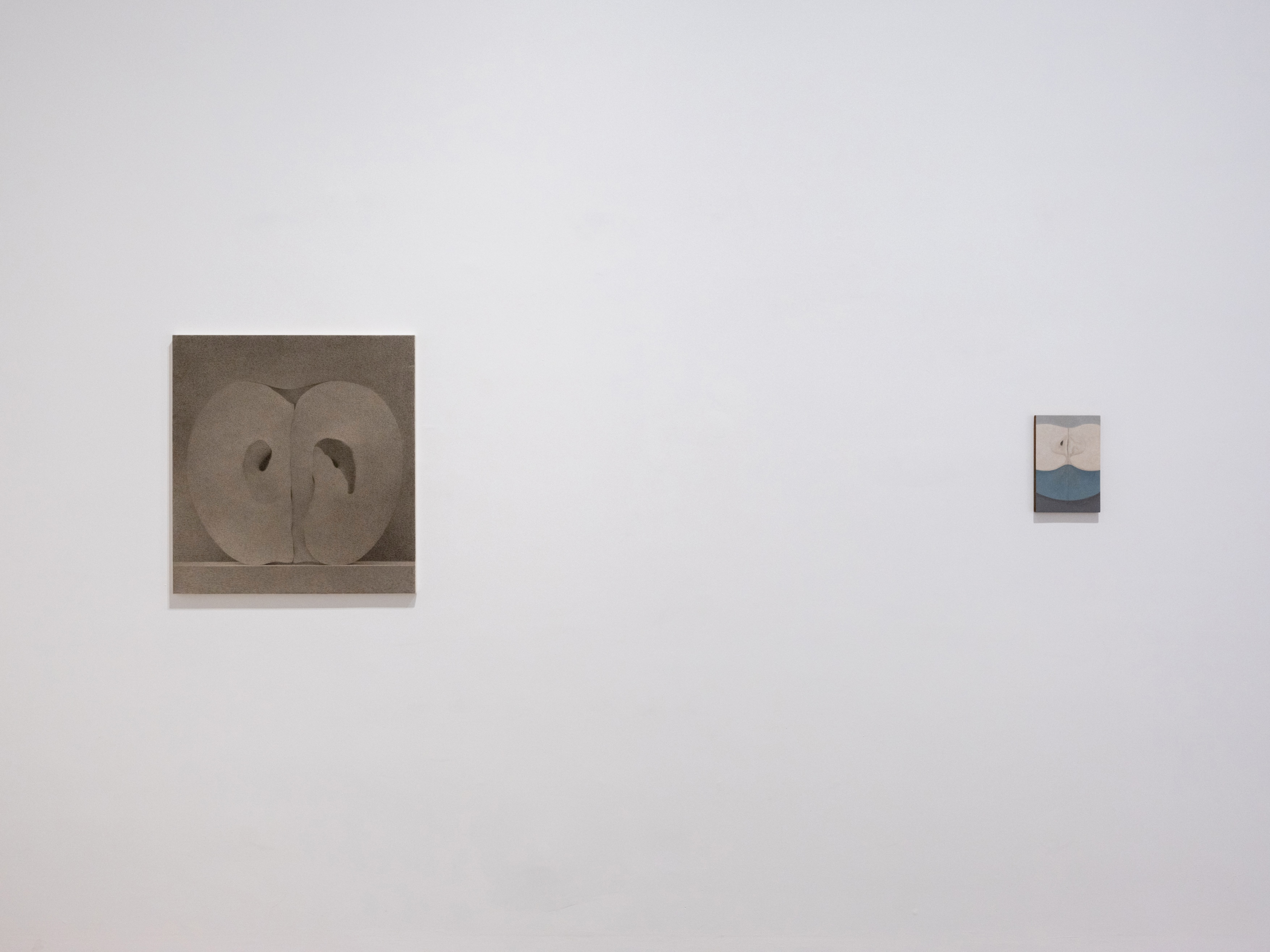
Shao Fan, Fruit 1525, 2025, Ink on rice paper, 80 × 75 cm. Courtesy of the artist and Vitamin Creative Space.
At a moment when digital technologies are reshaping the structure of the world, the computational logic of 0 and 1 reinforces model-based thinking. Yet, as algorithms increasingly appear as relational fields of networks and topology, the continuous generative logic embodied in mortise-and-tenon structures and ink brushwork acquires renewed relevance. The question is not one of opposition between tradition and the contemporary, but whether structure itself still allows for generation: is the world composed of divisible units, or sustained through mutually generative relations?
Perhaps, when Shao Fan turns backward in order to illuminate the future, we come to recognize that past and future enter into a dynamic polarity—forming a reciprocal, generative relation across time and space. In this sense, such retrospection is not a return to historical forms, but a reflection upon, and renewed practice of generative principles.
The Nature of Things presents the artist’s long-standing inquiry into how form comes into being, while inviting us to reconsider how the logic of making shapes our understanding of the world. Here, the nature of things refers not only to the properties of matter, nor merely to the way material, structure, and time produce order in processes of formation, but also to a form of insight through which we begin to perceive how the world itself comes into being.
Essay:
About the Artist
Shao Fan, art name: Yu Han. Shao Fan was born in 1964 to a renowned family of artists in Beijing, where he has lived ever since. He studied painting with his mother and father from a young age. Since the 1990s, his artistic practice has spanned a wide range of mediums, including three-dimensional works, oil on canvas, ink on rice paper, garden design, and architecture, exploring the transformation of materials across different times, spaces, and states of consciousness.
All art works by Shao Fan © the Artist
Courtesy of the artist and Vitamin Creative Space.
Vitamin Creative Space
Shao Fan: The Nature of Things
Dates
22 March – 28 June 2026
Venue
Mirrored Gardens, Space 1, Space 2, Space 5
Address
Hualong Agricultural Grand View Garden, Panyu District, Guangzhou
Daily Opening Hours
Wednesday–Sunday, 1–5 pm (closed on Monday and Tuesday)
Hours may vary on public holidays or under special circumstances, please check our website or WeChat Public Account for the latest updates.
Visitors are kindly requested to make an appointment in advance via the “Visit” page on the official website of Mirrored Gardens.
Website: mirroredgardens.art
Contact us: mail@mirroredgardens.art
Tel: +86 20-31043759
Press: PR@vitamincreativespace.com
“Shao Fan: The Nature of Things.” 18 min 46 sec, The Pavilion, 2026. Courtesy of The Pavilion.
-
- Exhibition view of Shao Fan: The Nature of Things, Mirrored Gardens, Guangzhou, 2026. Photographer: Jonathan Tan. Courtesy of the artist and Vitamin Creative Space.
-
- Exhibition view of Shao Fan: The Nature of Things, Mirrored Gardens, Guangzhou, 2026. Photographer: Jonathan Tan. Courtesy of the artist and Vitamin Creative Space.
-
- Exhibition view of Shao Fan: The Nature of Things, Mirrored Gardens, Guangzhou, 2026. Photographer: Jonathan Tan. Courtesy of the artist and Vitamin Creative Space.
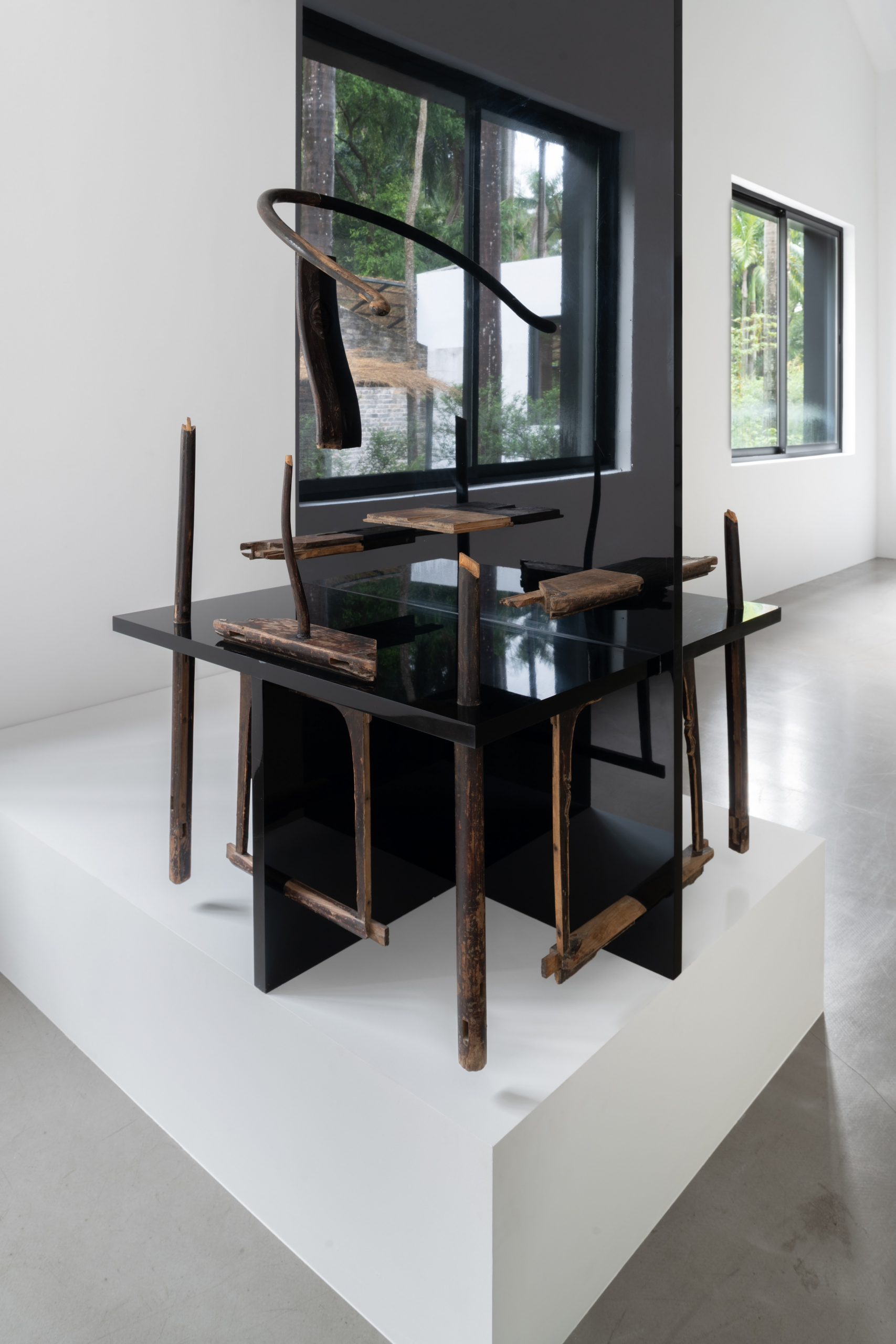
-
- Exhibition view of Shao Fan: The Nature of Things, Mirrored Gardens, Guangzhou, 2026. Photographer: Jonathan Tan. Courtesy of the artist and Vitamin Creative Space.
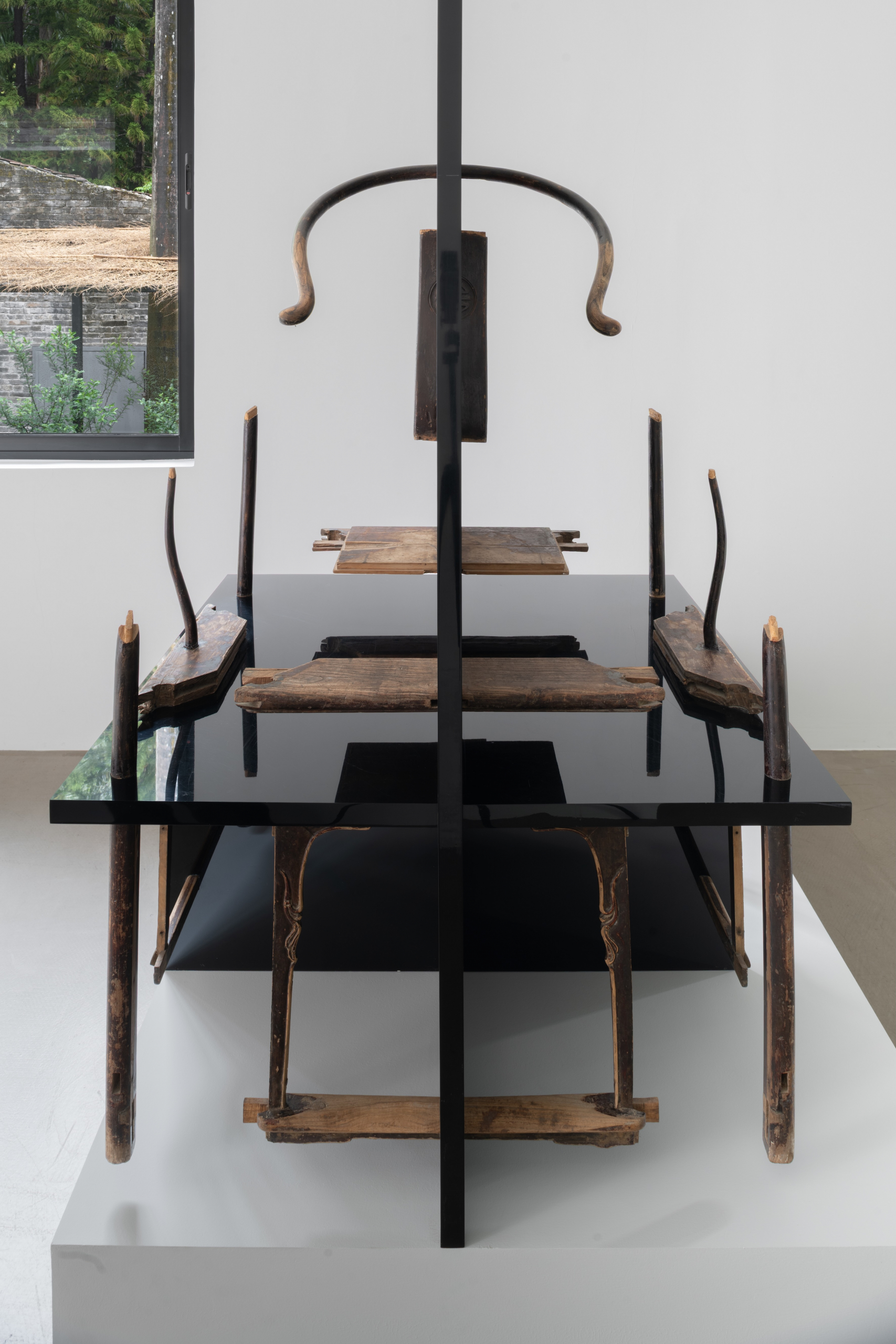
-
- Exhibition view of Shao Fan: The Nature of Things, Mirrored Gardens, Guangzhou, 2026. Photographer: Jonathan Tan. Courtesy of the artist and Vitamin Creative Space.
-
- Exhibition view of Shao Fan: The Nature of Things, Mirrored Gardens, Guangzhou, 2026. Photographer: Jonathan Tan. Courtesy of the artist and Vitamin Creative Space.
-
- Exhibition view of Shao Fan: The Nature of Things, Mirrored Gardens, Guangzhou, 2026. Photographer: Jonathan Tan. Courtesy of the artist and Vitamin Creative Space.
-
- Exhibition view of Shao Fan: The Nature of Things, Mirrored Gardens, Guangzhou, 2026. Photographer: Jonathan Tan. Courtesy of the artist and Vitamin Creative Space.
-
- Exhibition view of Shao Fan: The Nature of Things, Mirrored Gardens, Guangzhou, 2026. Photographer: Jonathan Tan. Courtesy of the artist and Vitamin Creative Space.
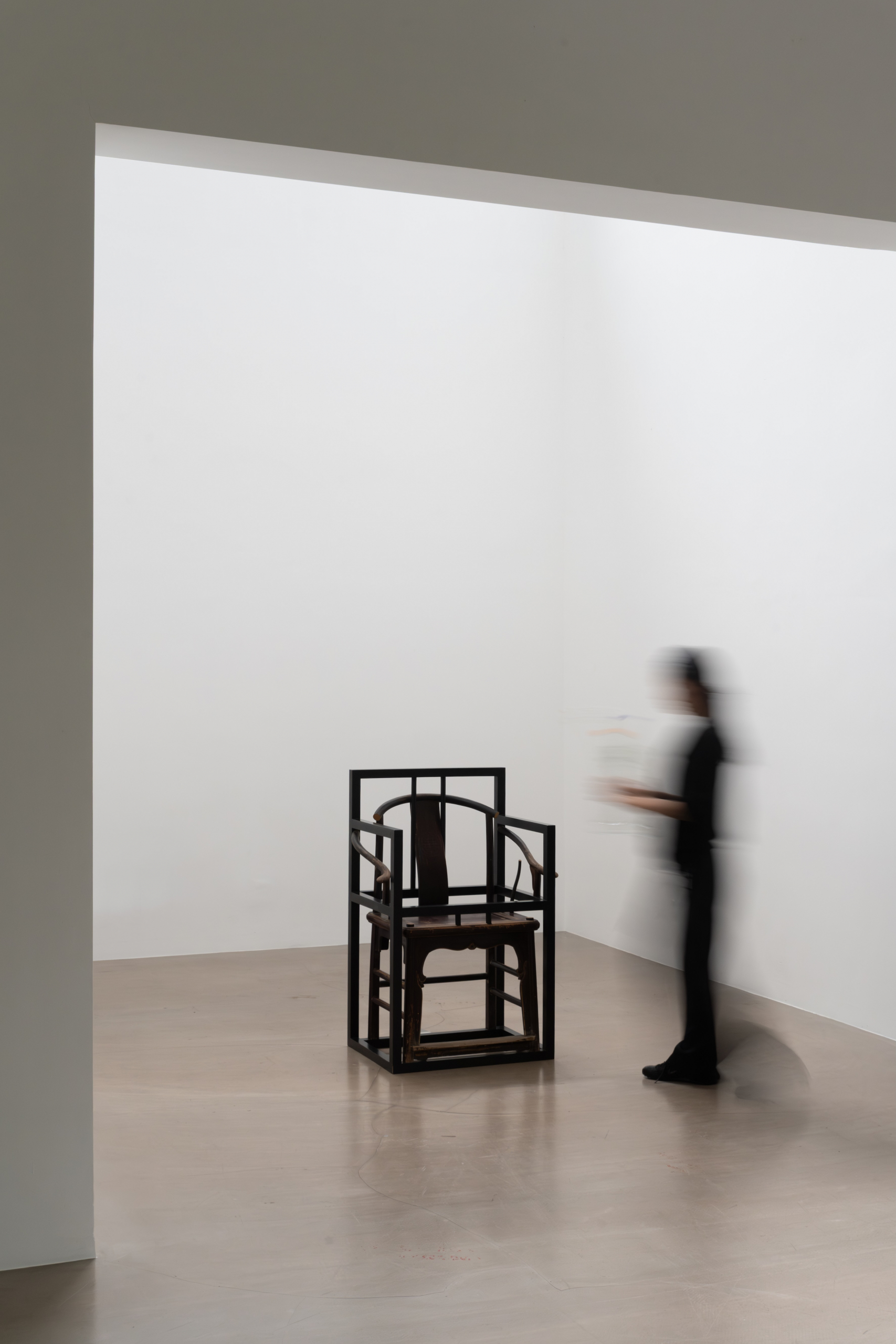
-
- Exhibition view of Shao Fan: The Nature of Things, Mirrored Gardens, Guangzhou, 2026. Photographer: Jonathan Tan. Courtesy of the artist and Vitamin Creative Space.
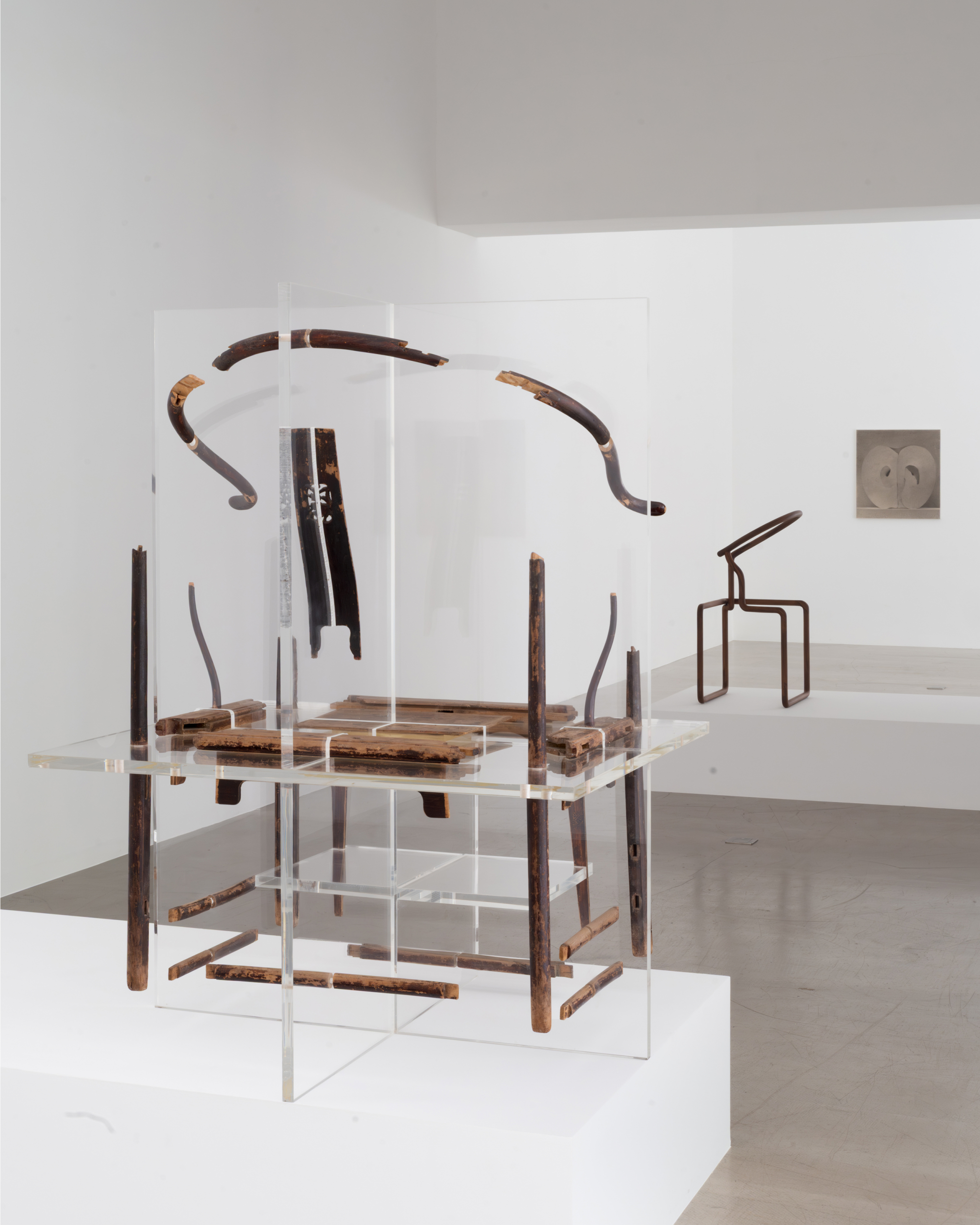
-
- Exhibition view of Shao Fan: The Nature of Things, Mirrored Gardens, Guangzhou, 2026. Photographer: Jonathan Tan. Courtesy of the artist and Vitamin Creative Space.
-
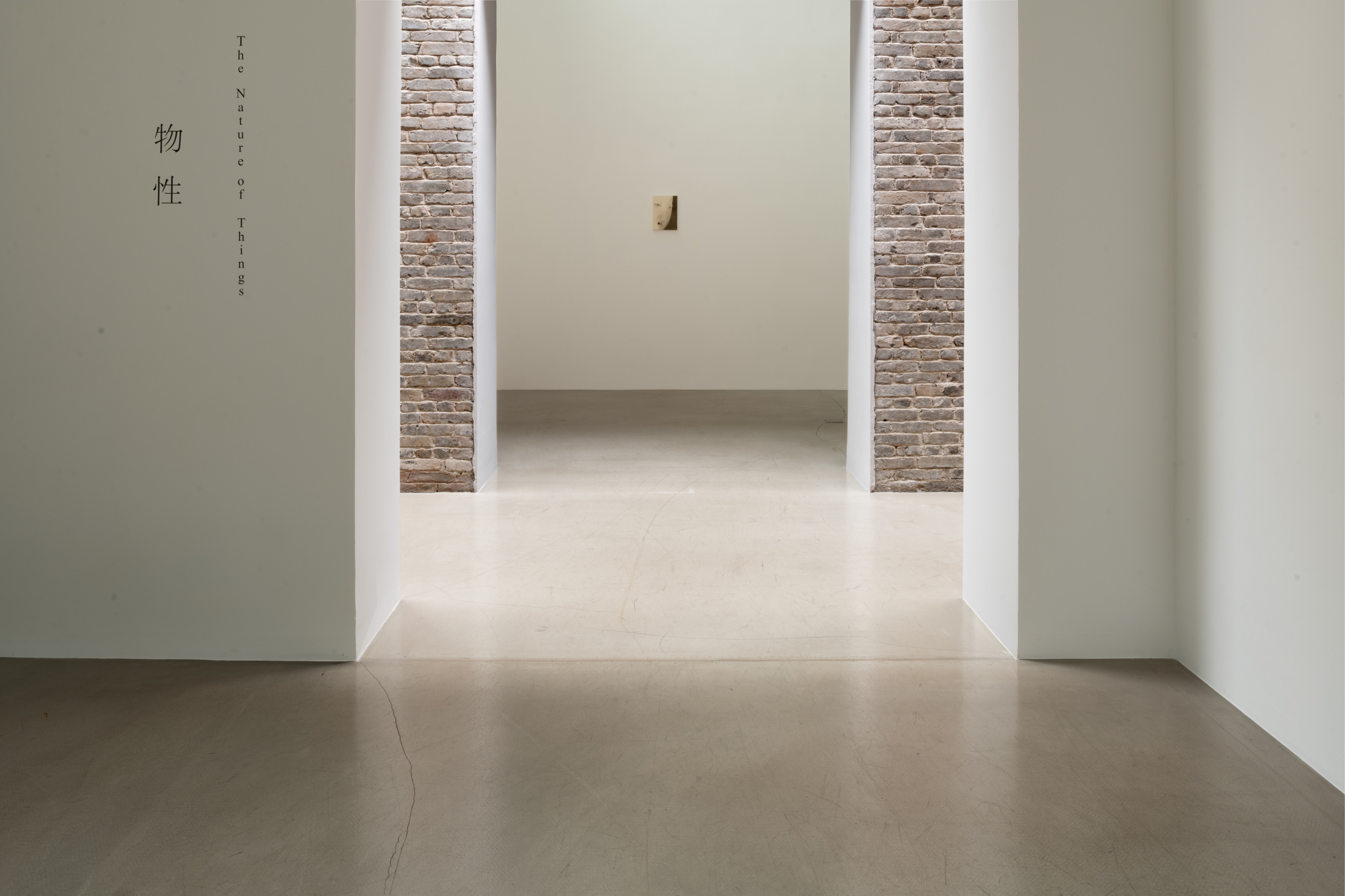
- Exhibition view of Shao Fan: The Nature of Things, Mirrored Gardens, Guangzhou, 2026. Photographer: Jonathan Tan. Courtesy of the artist and Vitamin Creative Space.
-
- Exhibition view of Shao Fan: The Nature of Things, Mirrored Gardens, Guangzhou, 2026. Photographer: Jonathan Tan. Courtesy of the artist and Vitamin Creative Space.
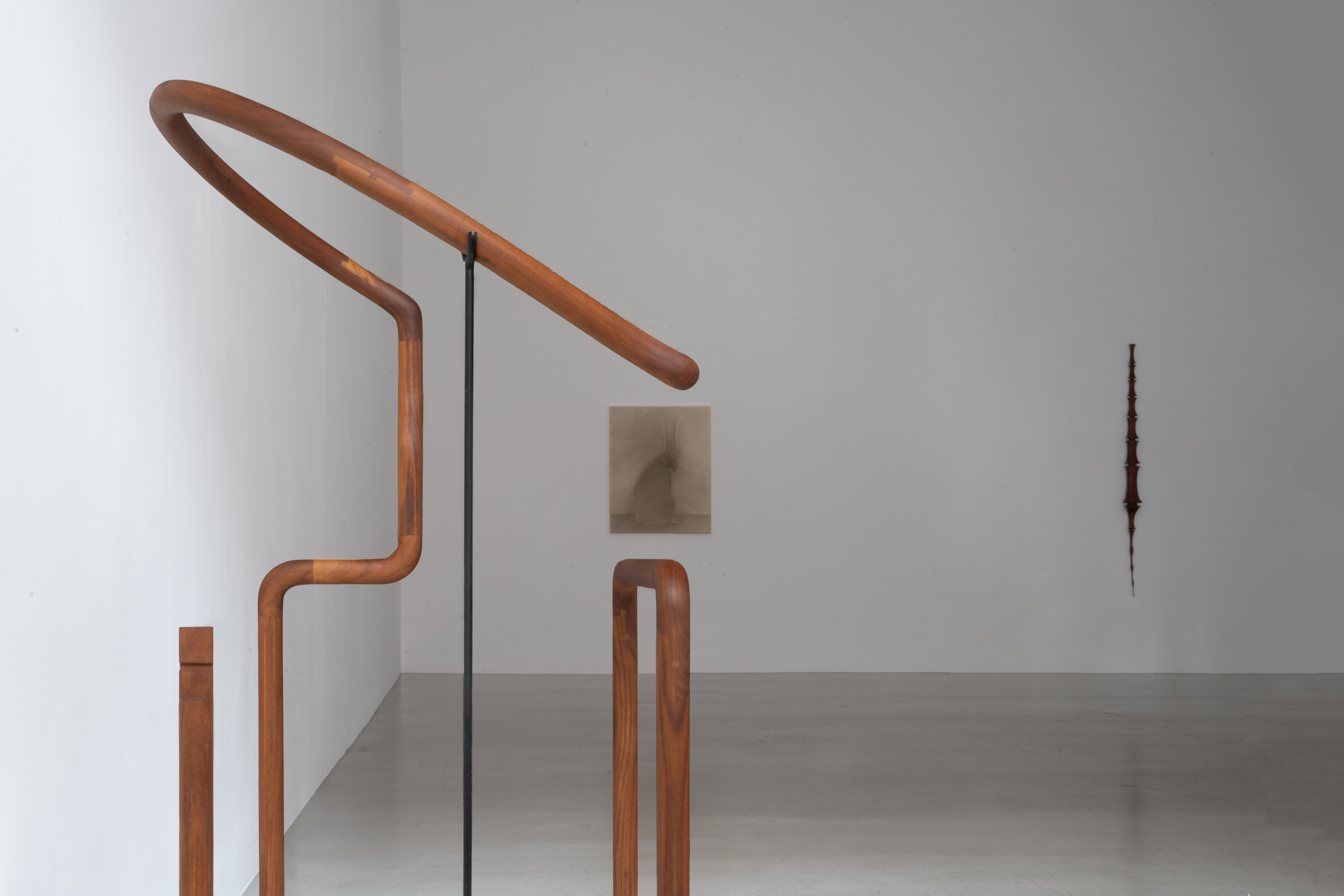
-
- Exhibition view of Shao Fan: The Nature of Things, Mirrored Gardens, Guangzhou, 2026. Photographer: Jonathan Tan. Courtesy of the artist and Vitamin Creative Space.
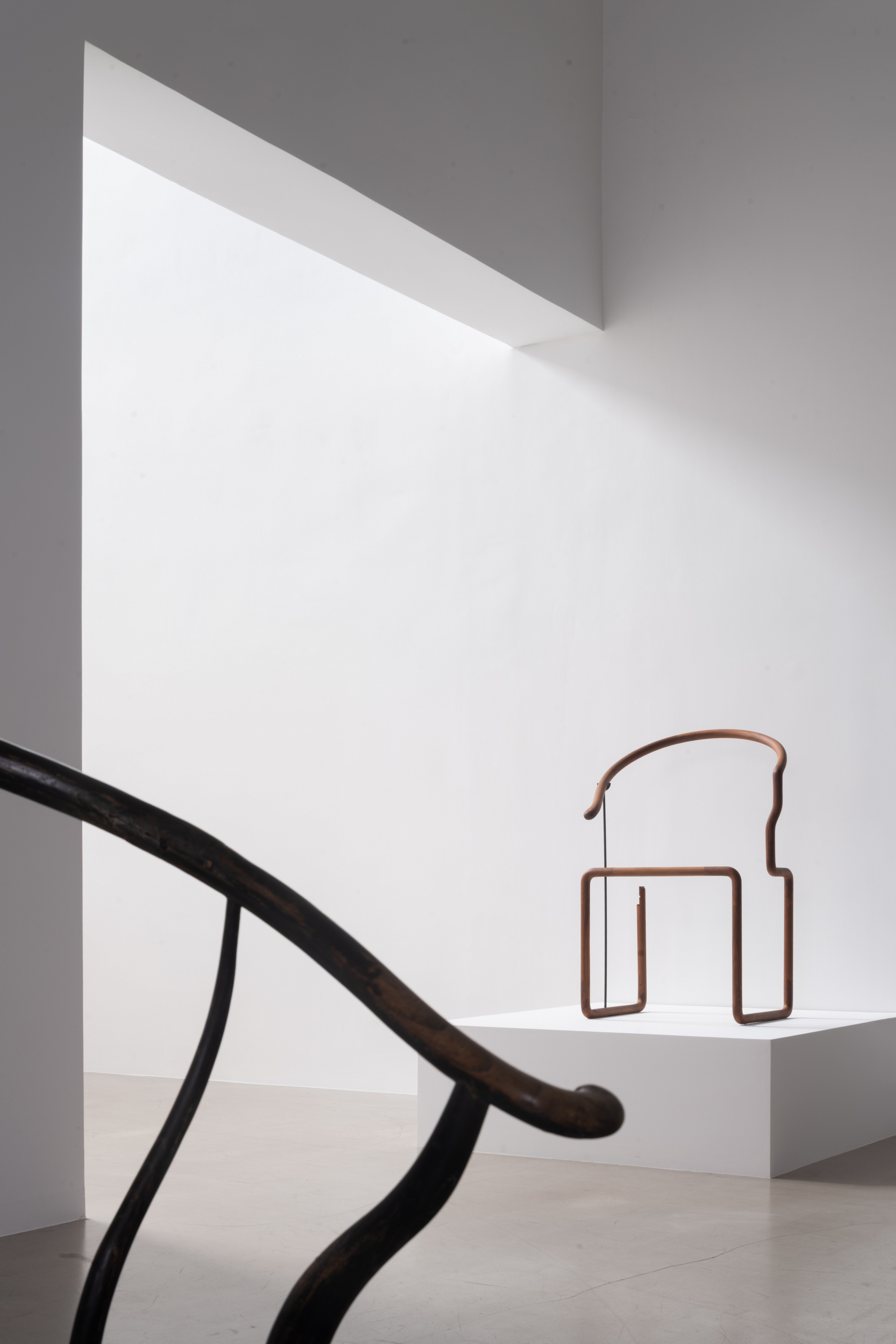
-
- Exhibition view of Shao Fan: The Nature of Things, Mirrored Gardens, Guangzhou, 2026. Photographer: Jonathan Tan. Courtesy of the artist and Vitamin Creative Space.
-
- Exhibition view of Shao Fan: The Nature of Things, Mirrored Gardens, Guangzhou, 2026. Photographer: Jonathan Tan. Courtesy of the artist and Vitamin Creative Space.
-
- Exhibition view of Shao Fan: The Nature of Things, Mirrored Gardens, Guangzhou, 2026. Photographer: Jonathan Tan. Courtesy of the artist and Vitamin Creative Space.
-
- Exhibition view of Shao Fan: The Nature of Things, Mirrored Gardens, Guangzhou, 2026. Photographer: Jonathan Tan. Courtesy of the artist and Vitamin Creative Space.
-
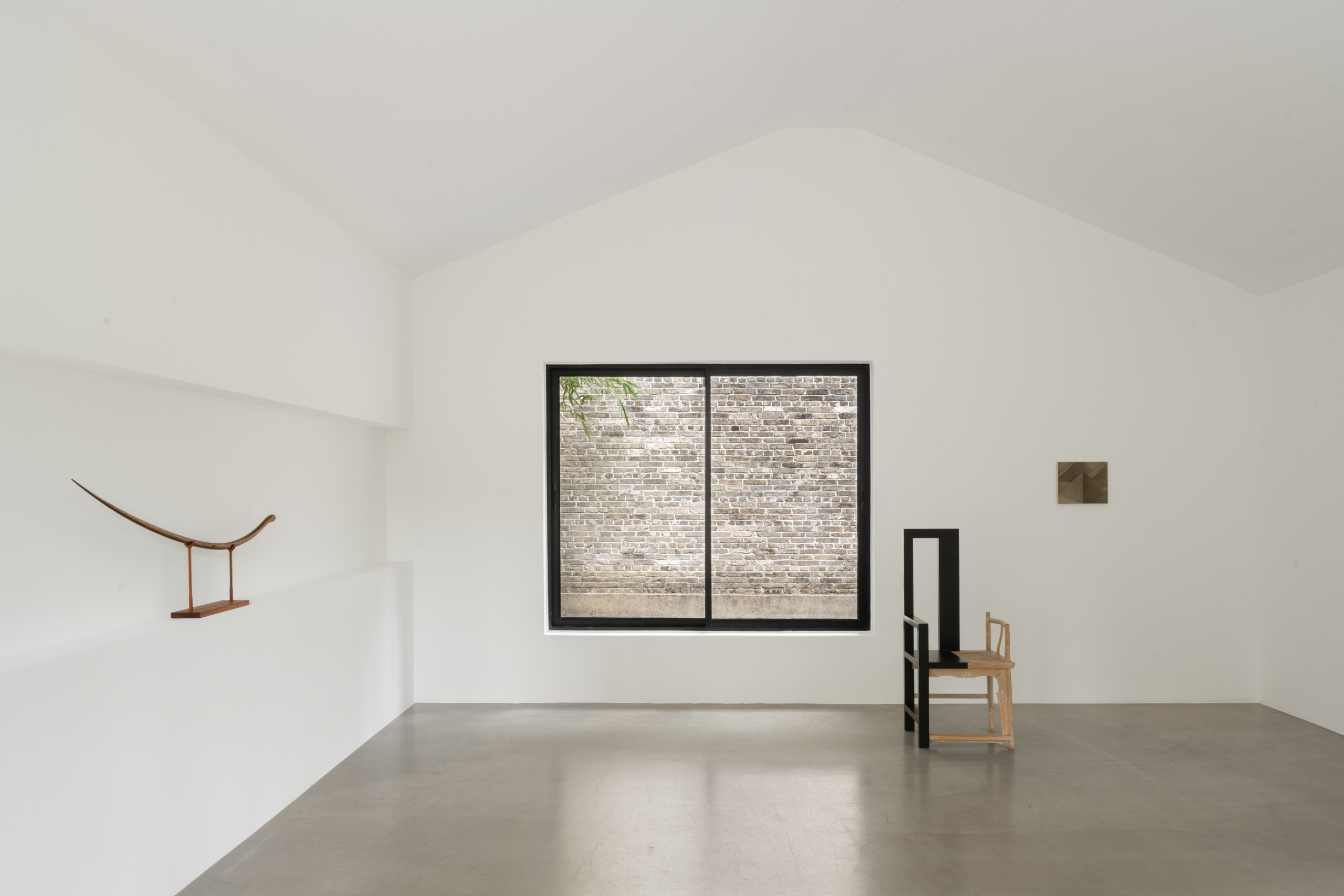
- Exhibition view of Shao Fan: The Nature of Things, Mirrored Gardens, Guangzhou, 2026. Photographer: Jonathan Tan. Courtesy of the artist and Vitamin Creative Space.
-
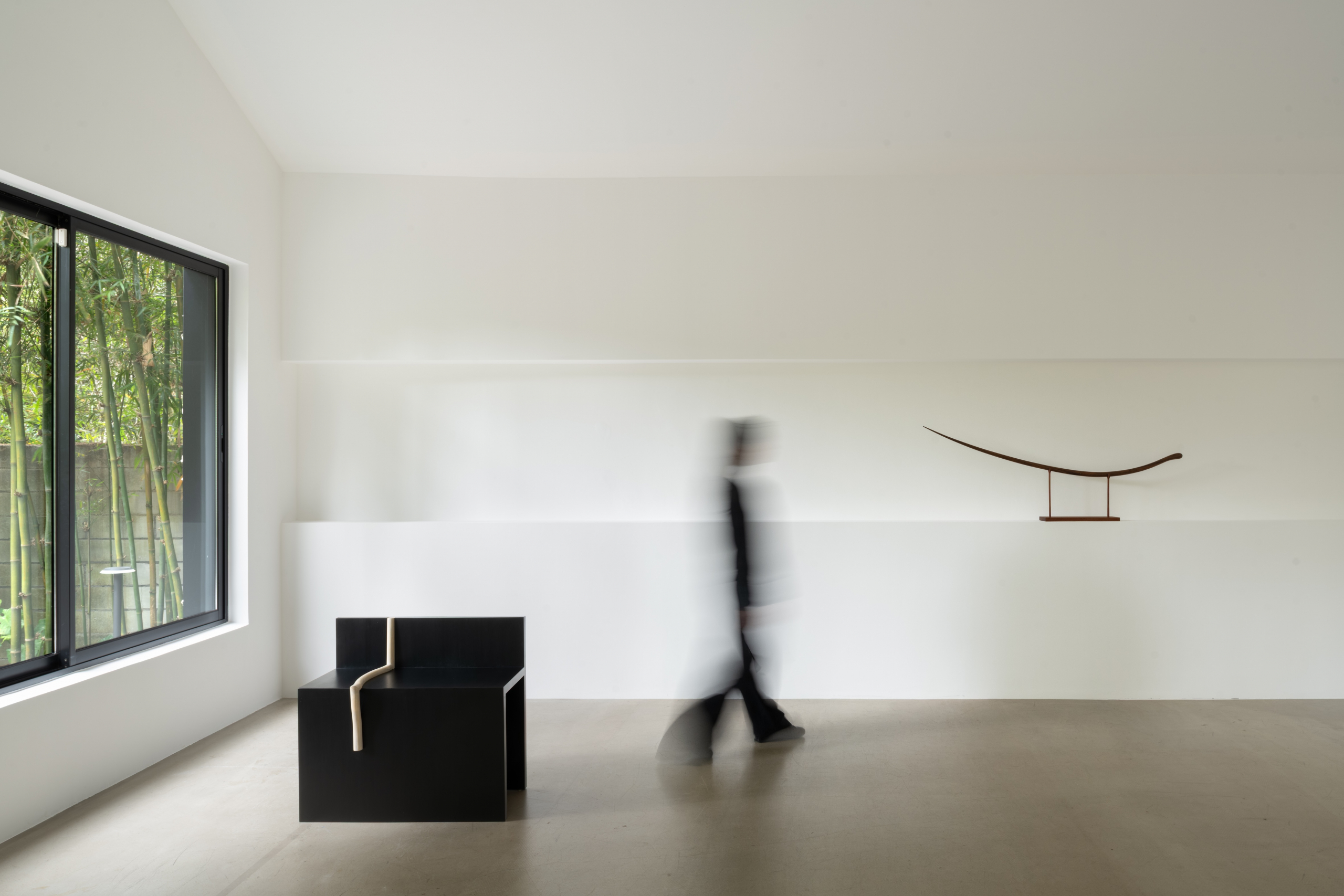
- Exhibition view of Shao Fan: The Nature of Things, Mirrored Gardens, Guangzhou, 2026. Photographer: Jonathan Tan. Courtesy of the artist and Vitamin Creative Space.
-
- Exhibition view of Shao Fan: The Nature of Things, Mirrored Gardens, Guangzhou, 2026. Photographer: Jonathan Tan. Courtesy of the artist and Vitamin Creative Space.
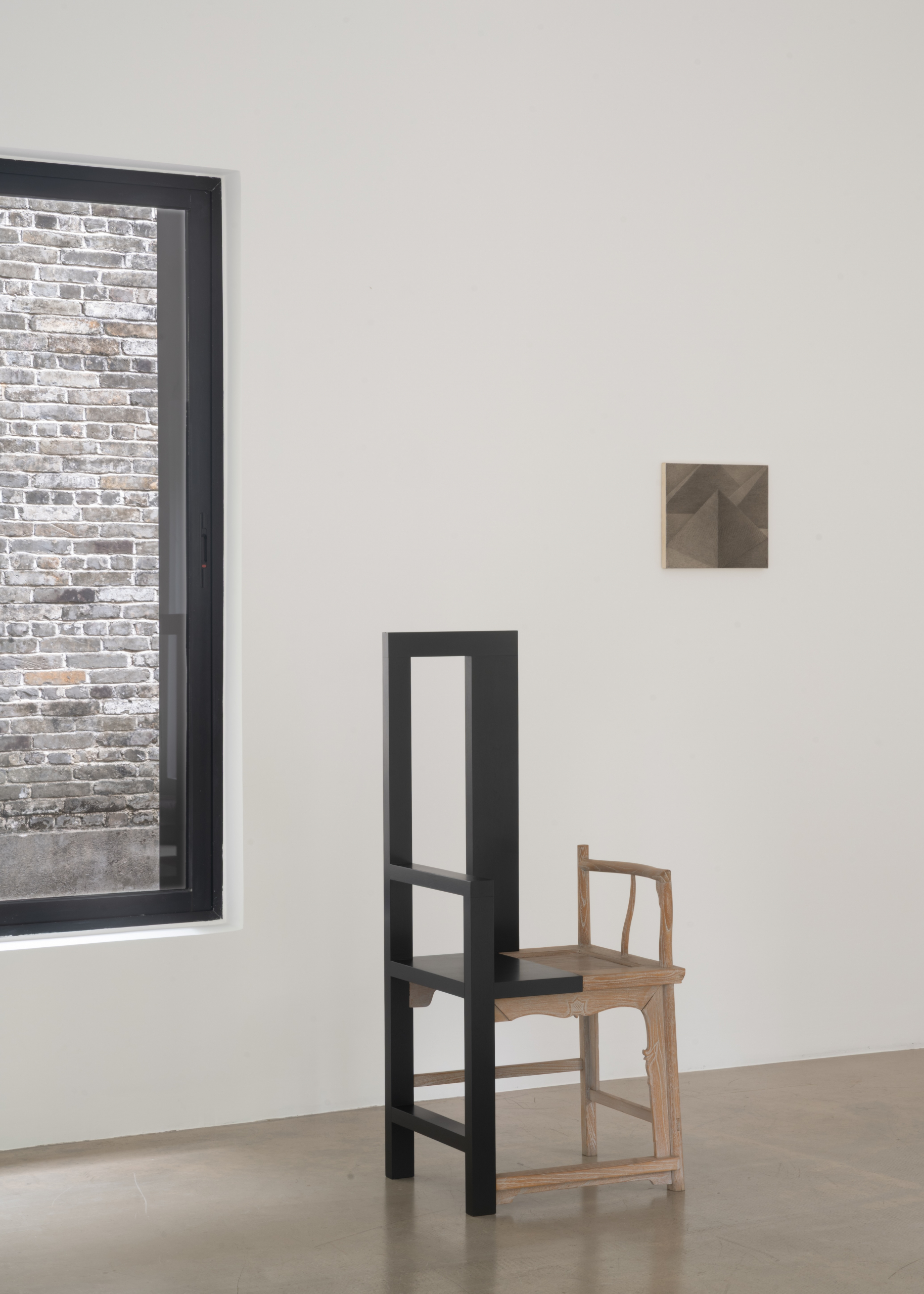
-
- Exhibition view of Shao Fan: The Nature of Things, Mirrored Gardens, Guangzhou, 2026. Photographer: Jonathan Tan. Courtesy of the artist and Vitamin Creative Space.
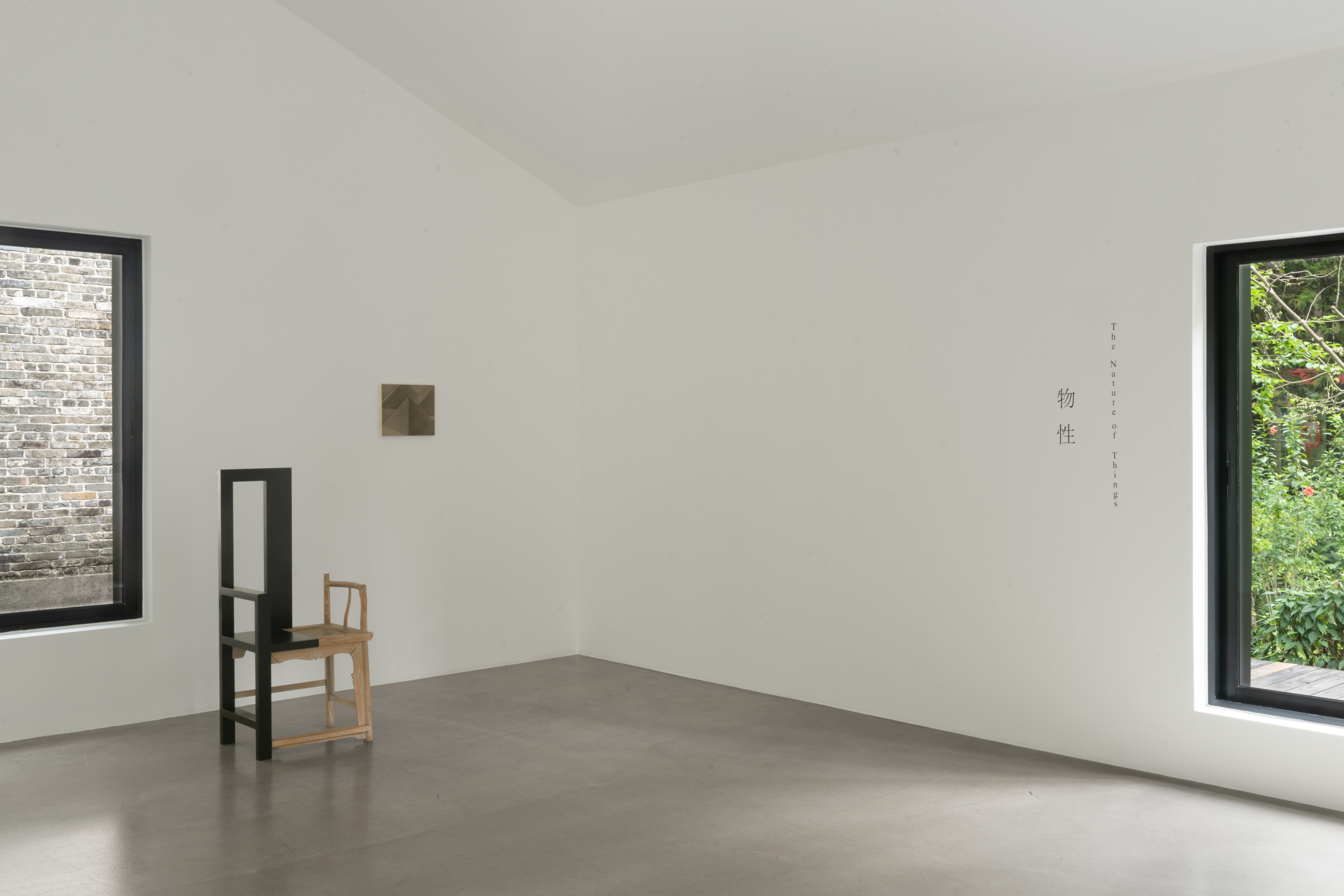
-
- Exhibition view of Shao Fan: The Nature of Things, Mirrored Gardens, Guangzhou, 2026. Photographer: Jonathan Tan. Courtesy of the artist and Vitamin Creative Space.
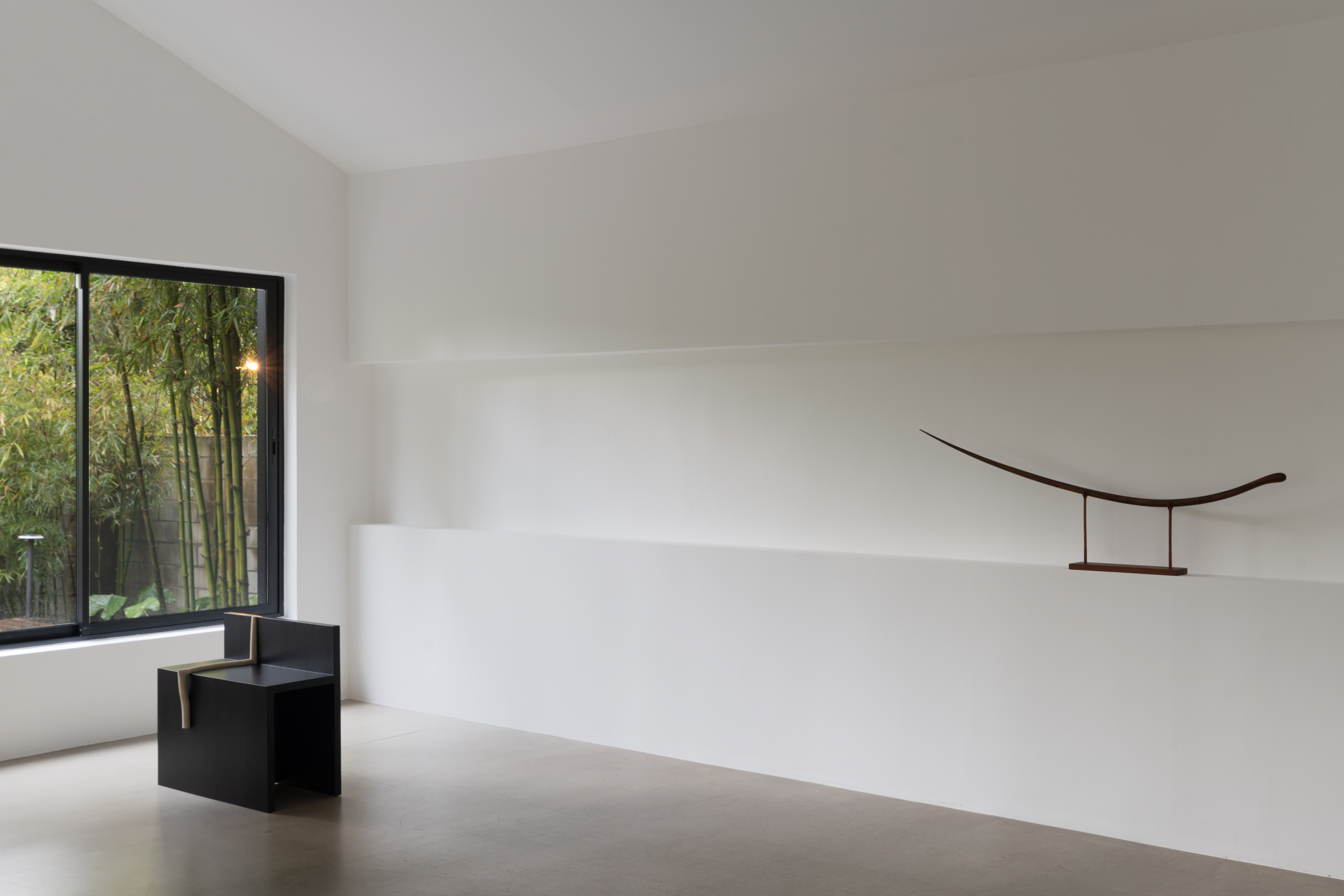
-
- Exhibition view of Shao Fan: The Nature of Things, Mirrored Gardens, Guangzhou, 2026. Photographer: Jonathan Tan. Courtesy of the artist and Vitamin Creative Space.
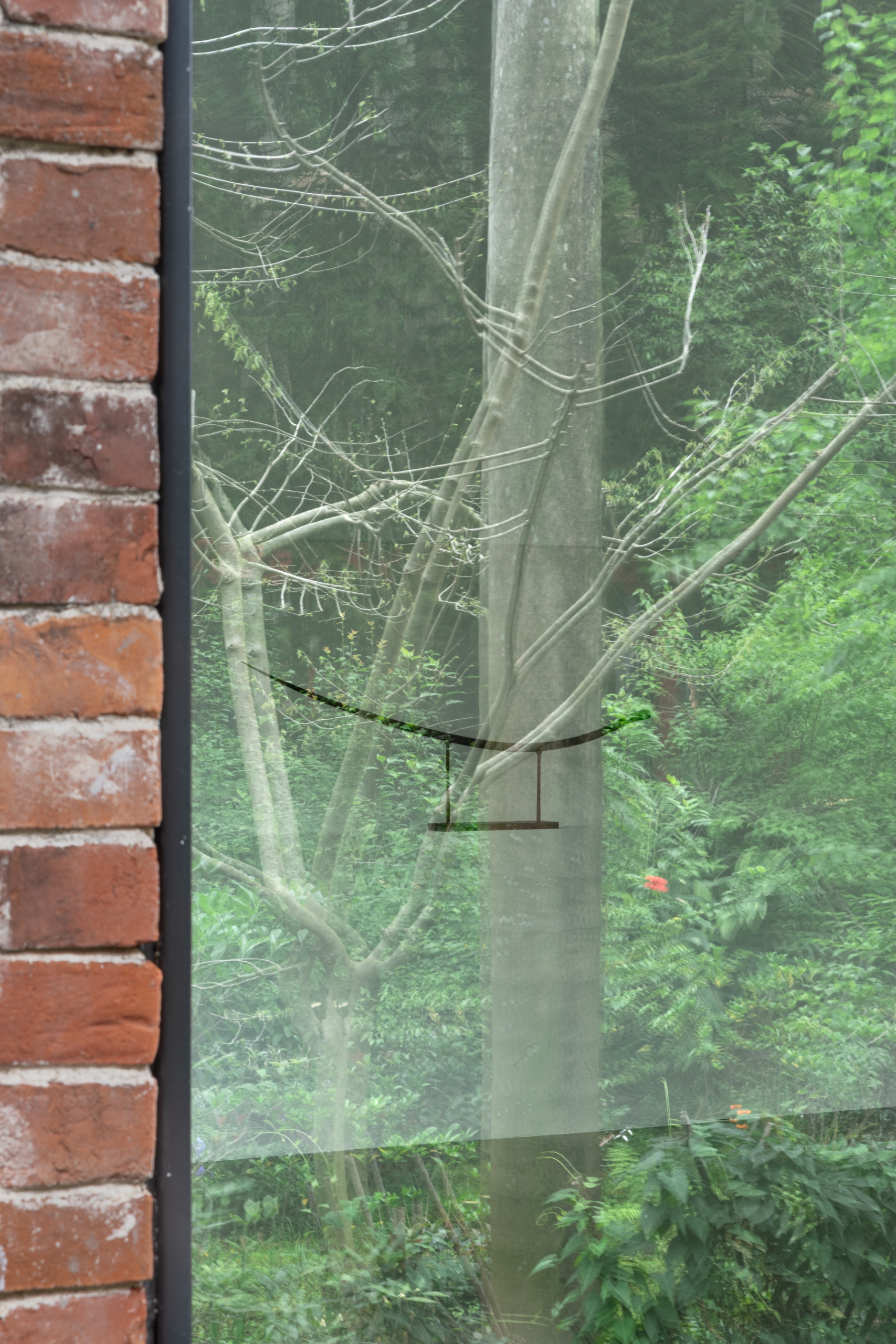
Exhibition view of Shao Fan: The Nature of Things, Mirrored Gardens, Guangzhou, 2026.
Photographer: Jonathan Tan.
Courtesy of the artist and Vitamin Creative Space. © Vitamin, 2026.
All works of art by Shao Fan ©the artist, 2026.
-
- Exhibition view of Shao Fan: The Nature of Things, Mirrored Gardens, Guangzhou, 2026. Photographer: Wen Peng. Courtesy of the artist and Vitamin Creative Space. © Vitamin, 2026. All works of art by Shao Fan ©the artist, 2026.
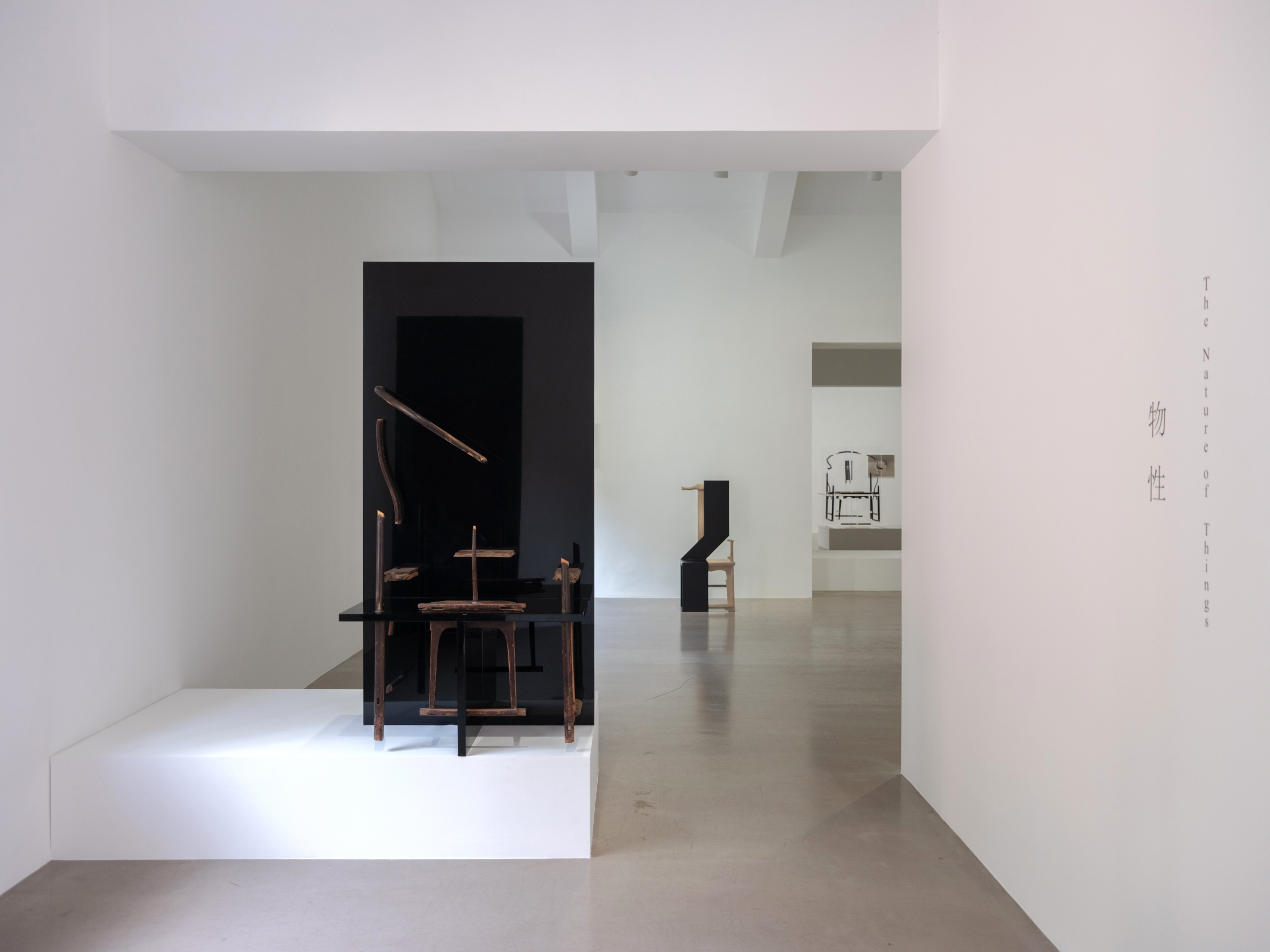
-
- Exhibition view of Shao Fan: The Nature of Things, Mirrored Gardens, Guangzhou, 2026. Photographer: Wen Peng. Courtesy of the artist and Vitamin Creative Space. © Vitamin, 2026. All works of art by Shao Fan ©the artist, 2026.
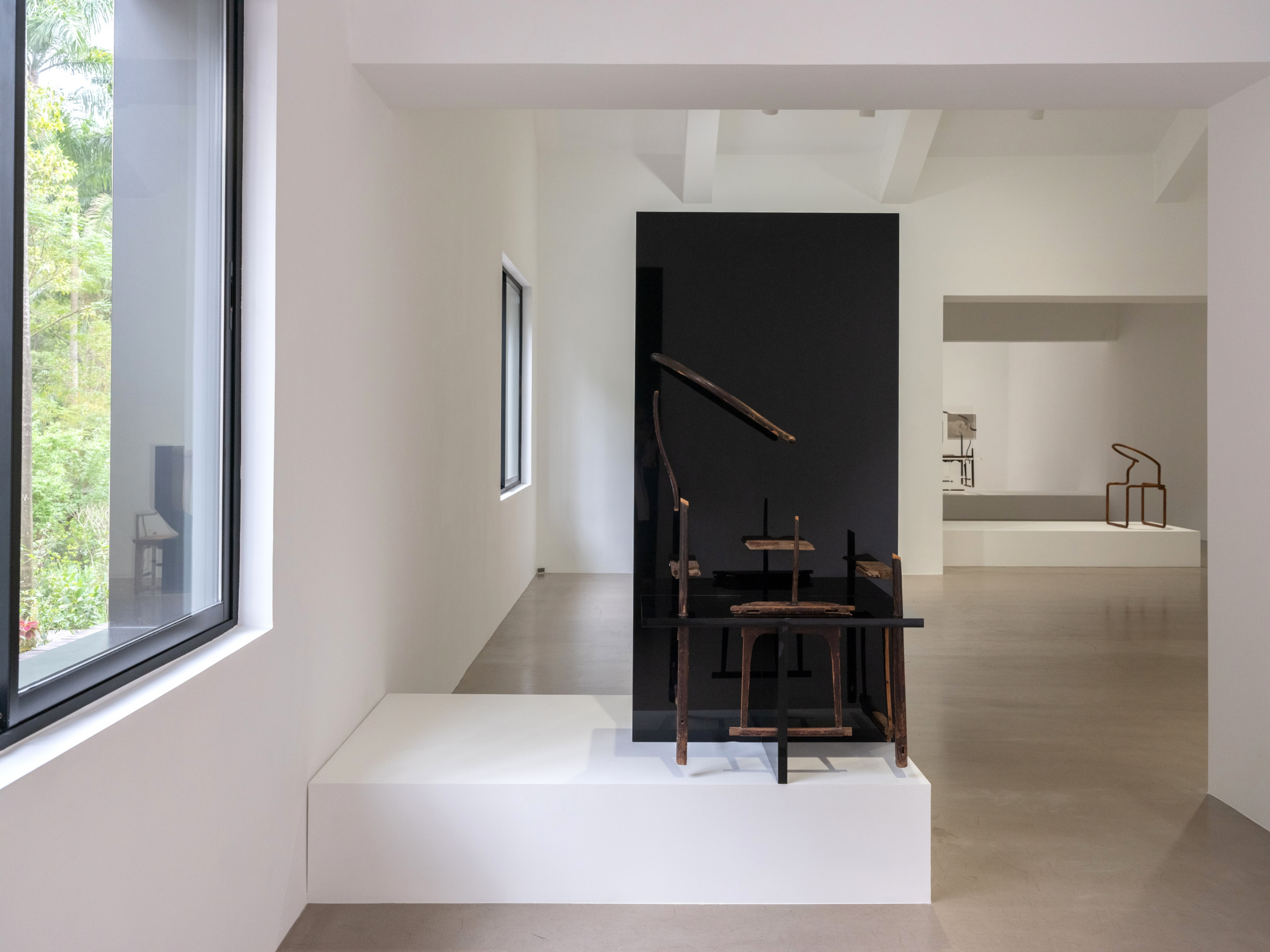
-
- Exhibition view of Shao Fan: The Nature of Things, Mirrored Gardens, Guangzhou, 2026. Photographer: Wen Peng. Courtesy of the artist and Vitamin Creative Space. © Vitamin, 2026. All works of art by Shao Fan ©the artist, 2026.
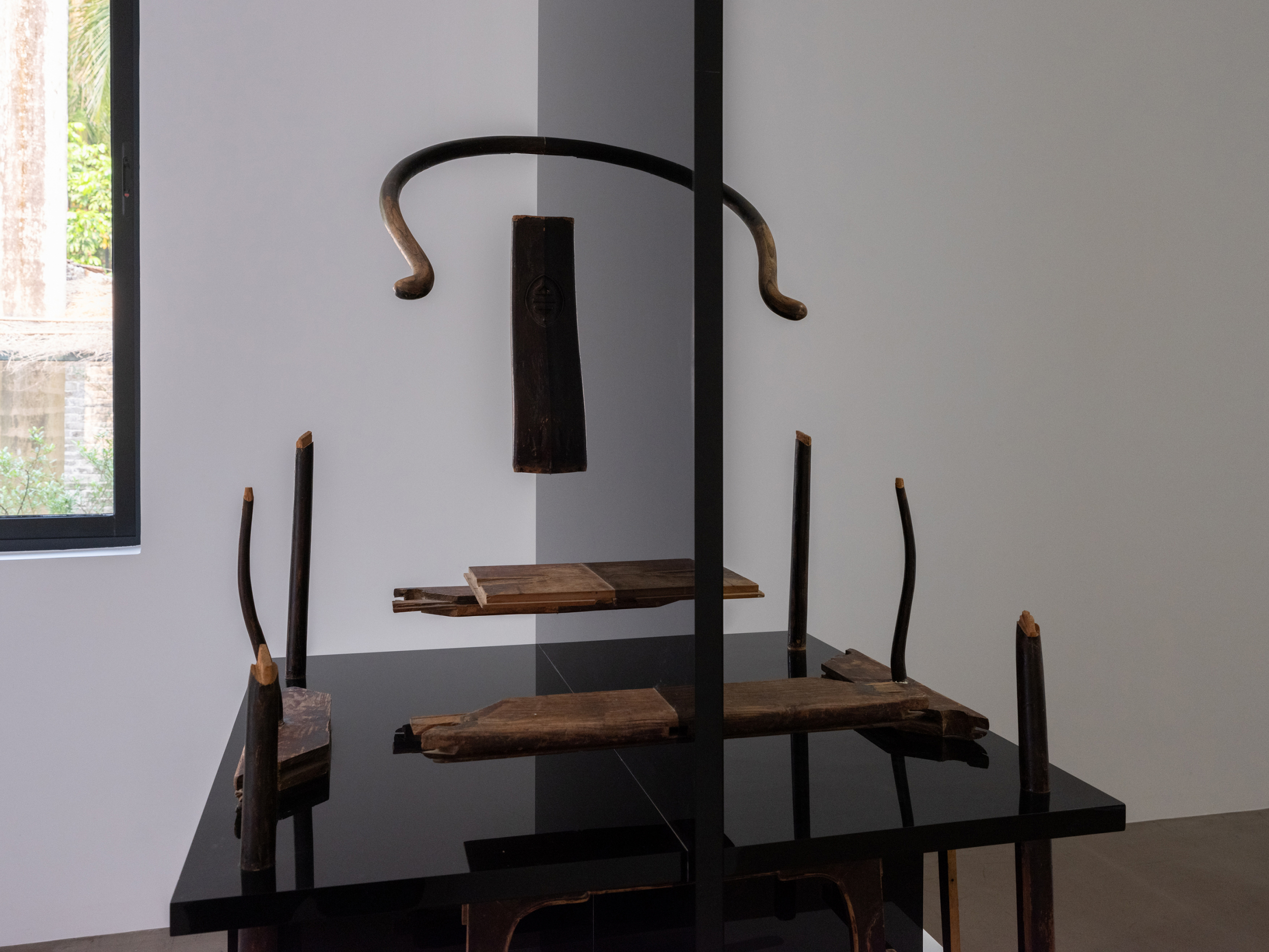
-
- Exhibition view of Shao Fan: The Nature of Things, Mirrored Gardens, Guangzhou, 2026. Photographer: Wen Peng. Courtesy of the artist and Vitamin Creative Space. © Vitamin, 2026. All works of art by Shao Fan ©the artist, 2026.
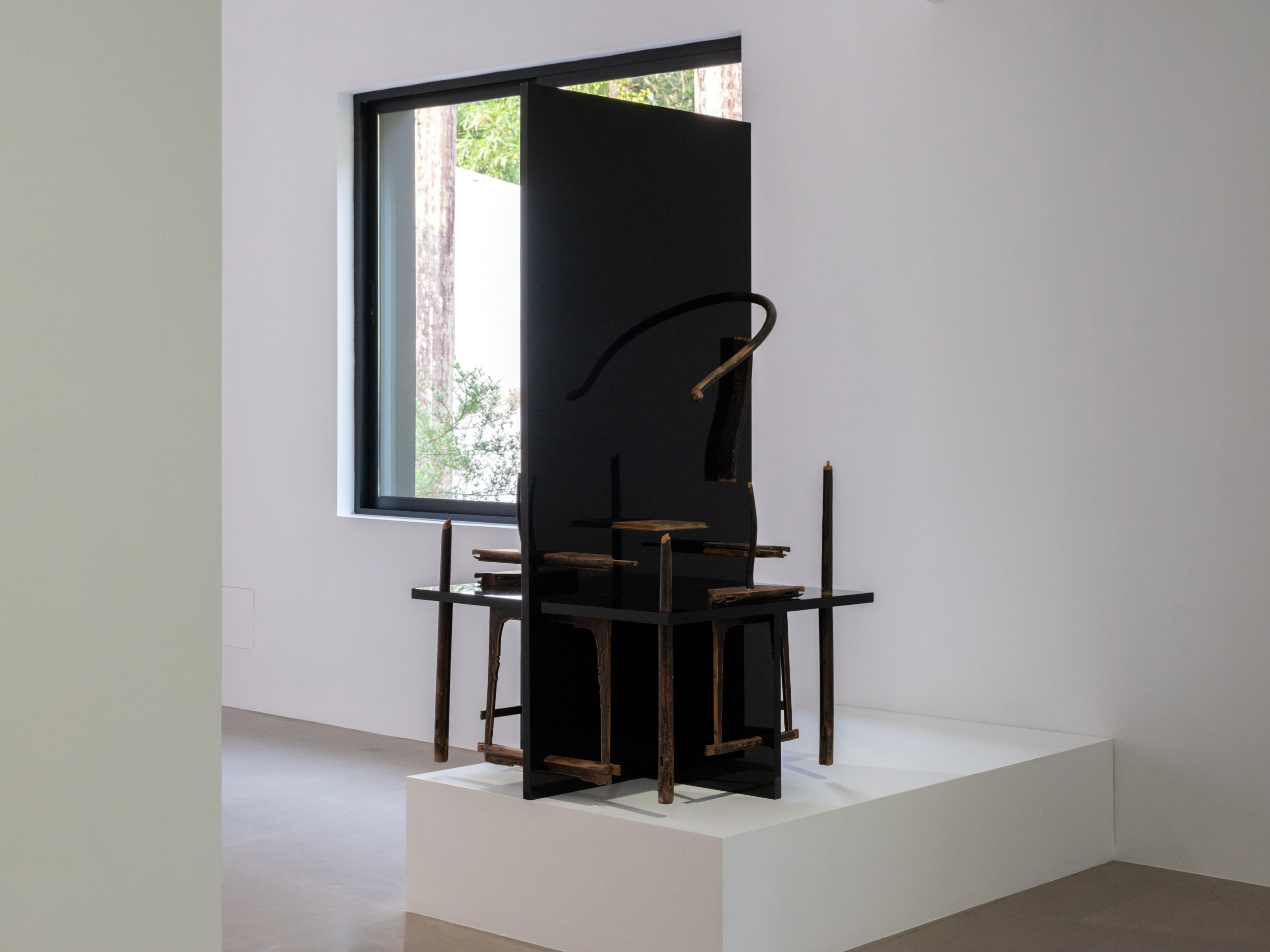
-
- Exhibition view of Shao Fan: The Nature of Things, Mirrored Gardens, Guangzhou, 2026. Photographer: Wen Peng. Courtesy of the artist and Vitamin Creative Space. © Vitamin, 2026. All works of art by Shao Fan ©the artist, 2026.
-
- Exhibition view of Shao Fan: The Nature of Things, Mirrored Gardens, Guangzhou, 2026. Photographer: Wen Peng. Courtesy of the artist and Vitamin Creative Space. © Vitamin, 2026. All works of art by Shao Fan ©the artist, 2026.
-
- Exhibition view of Shao Fan: The Nature of Things, Mirrored Gardens, Guangzhou, 2026. Photographer: Wen Peng. Courtesy of the artist and Vitamin Creative Space. © Vitamin, 2026. All works of art by Shao Fan ©the artist, 2026.
-
- Exhibition view of Shao Fan: The Nature of Things, Mirrored Gardens, Guangzhou, 2026. Photographer: Wen Peng. Courtesy of the artist and Vitamin Creative Space. © Vitamin, 2026. All works of art by Shao Fan ©the artist, 2026.
-
- Exhibition view of Shao Fan: The Nature of Things, Mirrored Gardens, Guangzhou, 2026. Photographer: Wen Peng. Courtesy of the artist and Vitamin Creative Space. © Vitamin, 2026. All works of art by Shao Fan ©the artist, 2026.
-
- Exhibition view of Shao Fan: The Nature of Things, Mirrored Gardens, Guangzhou, 2026. Photographer: Wen Peng. Courtesy of the artist and Vitamin Creative Space. © Vitamin, 2026. All works of art by Shao Fan ©the artist, 2026.
-
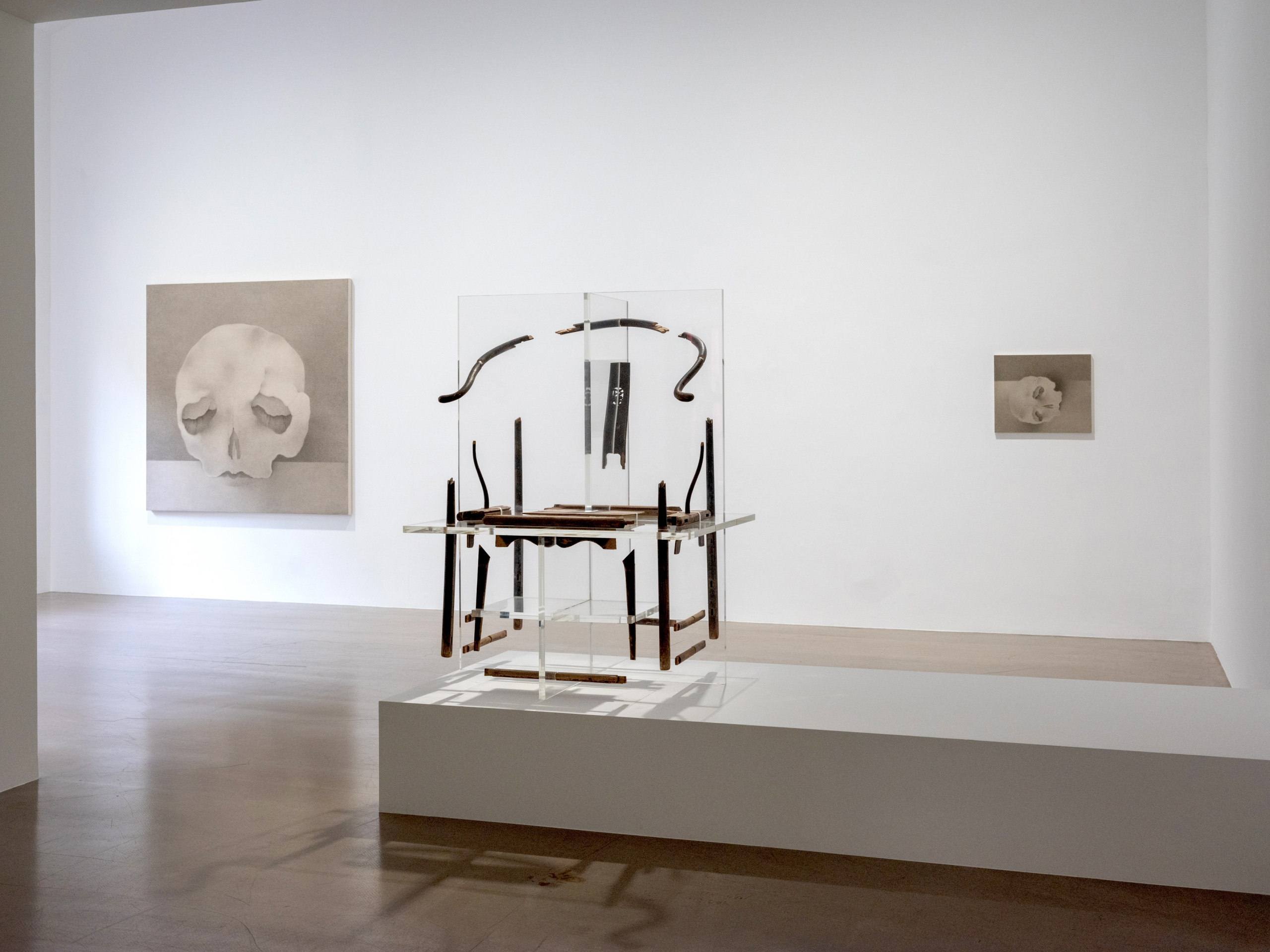
- Exhibition view of Shao Fan: The Nature of Things, Mirrored Gardens, Guangzhou, 2026. Photographer: Wen Peng. Courtesy of the artist and Vitamin Creative Space. © Vitamin, 2026. All works of art by Shao Fan ©the artist, 2026.
-
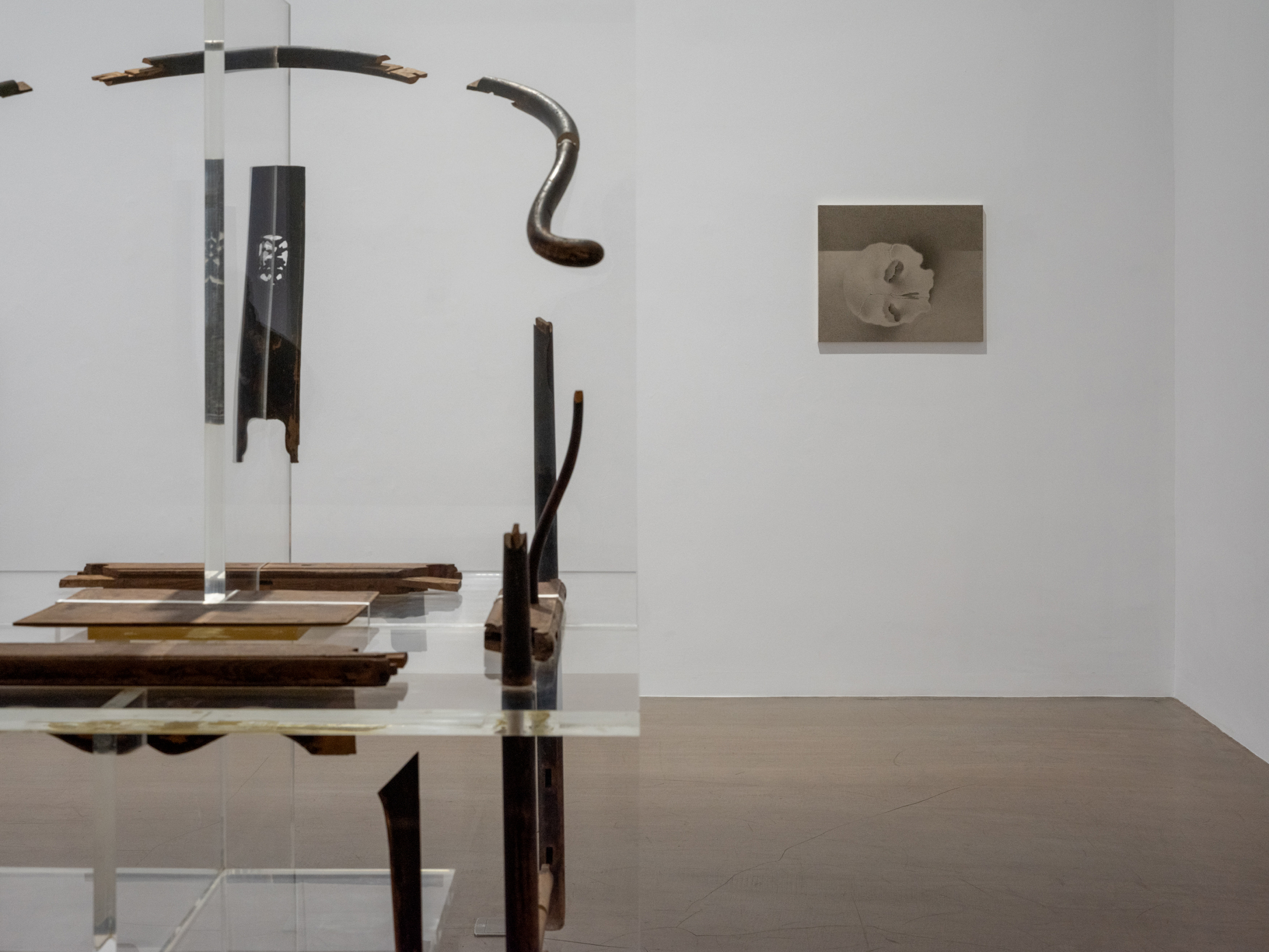
- Exhibition view of Shao Fan: The Nature of Things, Mirrored Gardens, Guangzhou, 2026. Photographer: Wen Peng. Courtesy of the artist and Vitamin Creative Space. © Vitamin, 2026. All works of art by Shao Fan ©the artist, 2026.
-
- Exhibition view of Shao Fan: The Nature of Things, Mirrored Gardens, Guangzhou, 2026. Photographer: Wen Peng. Courtesy of the artist and Vitamin Creative Space. © Vitamin, 2026. All works of art by Shao Fan ©the artist, 2026.
-
- Exhibition view of Shao Fan: The Nature of Things, Mirrored Gardens, Guangzhou, 2026. Photographer: Wen Peng. Courtesy of the artist and Vitamin Creative Space. © Vitamin, 2026. All works of art by Shao Fan ©the artist, 2026.
-
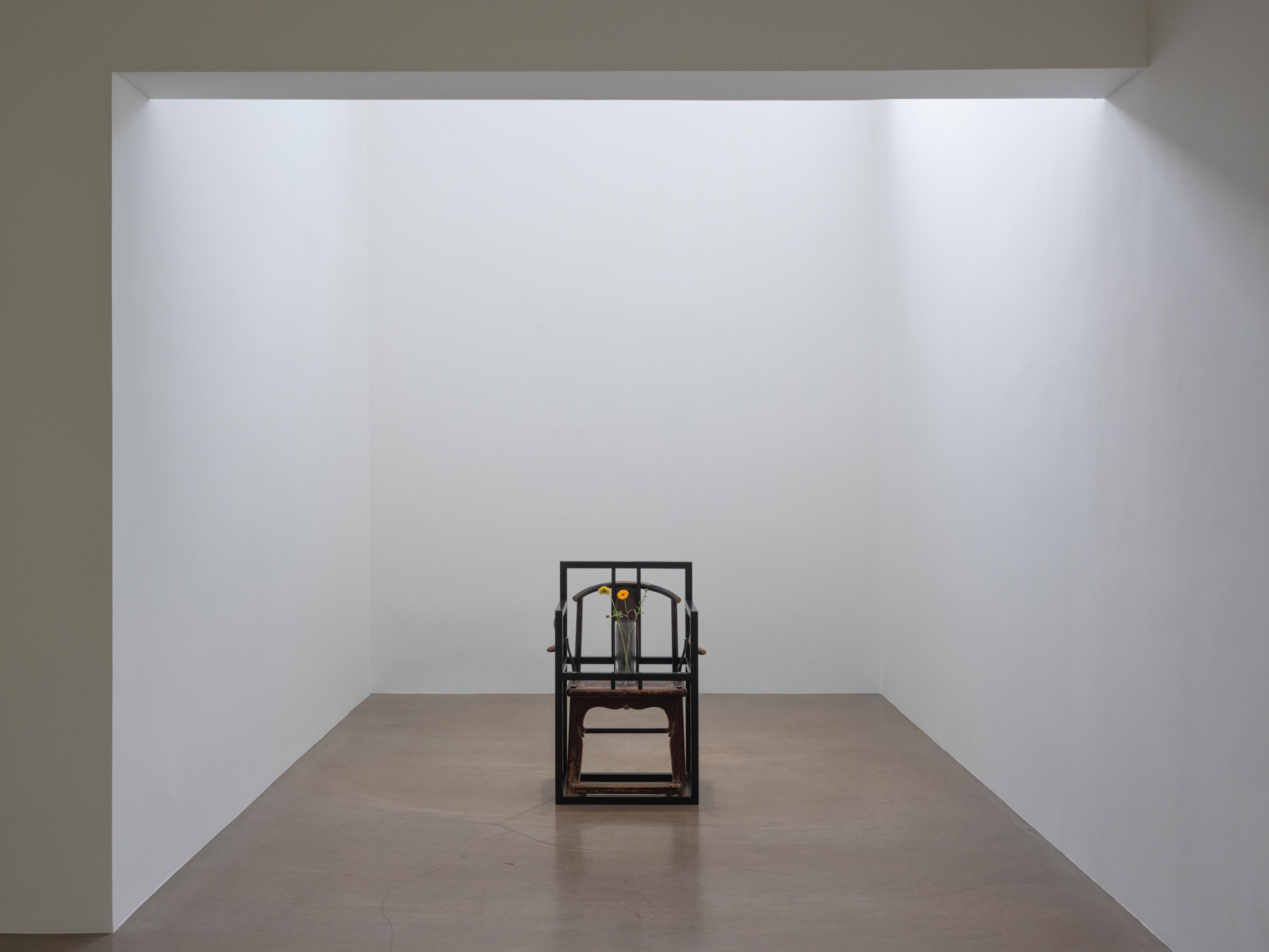
- Exhibition view of Shao Fan: The Nature of Things, Mirrored Gardens, Guangzhou, 2026. Photographer: Wen Peng. Courtesy of the artist and Vitamin Creative Space. © Vitamin, 2026. All works of art by Shao Fan ©the artist, 2026.
-
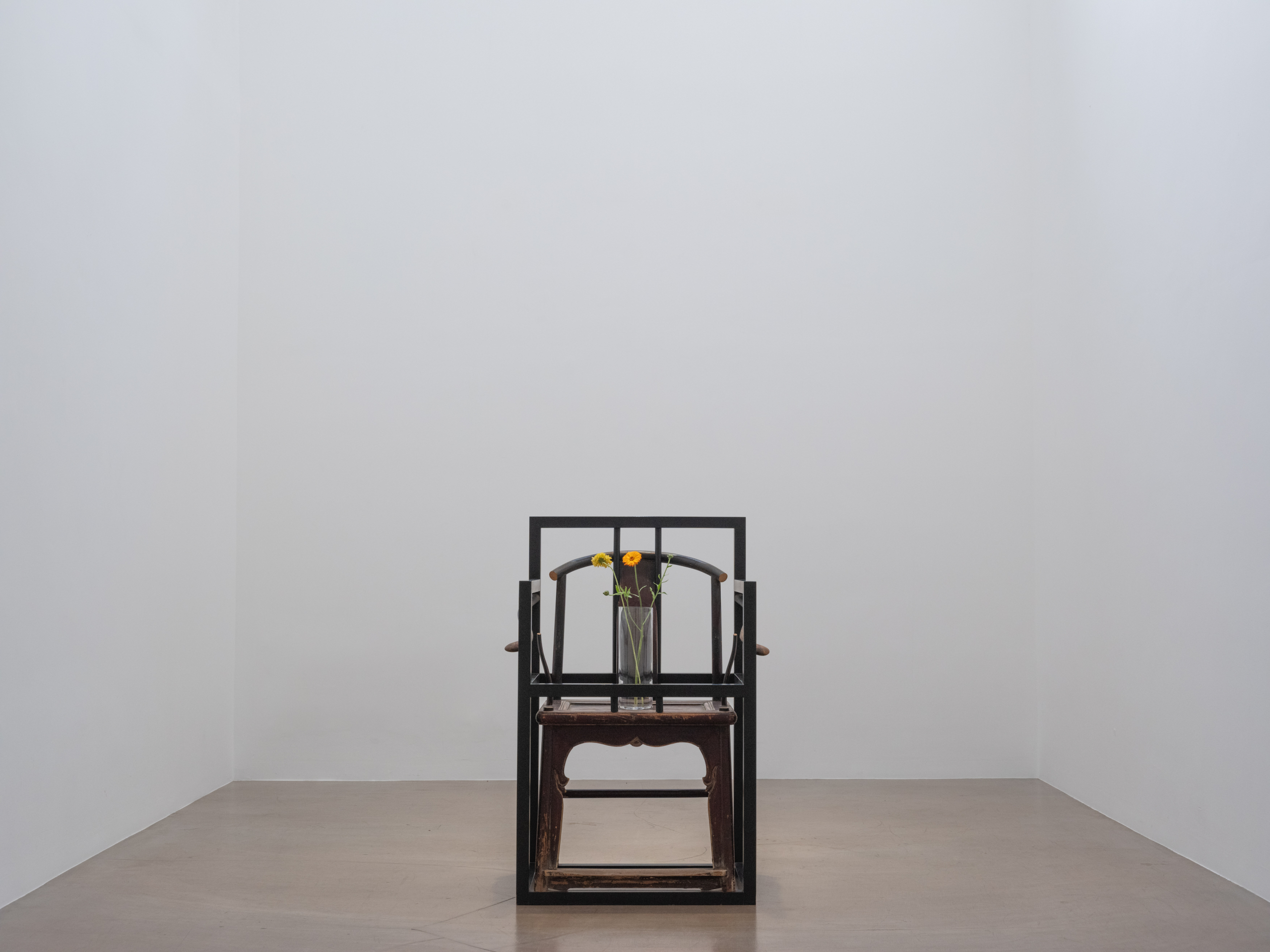
- Exhibition view of Shao Fan: The Nature of Things, Mirrored Gardens, Guangzhou, 2026. Photographer: Wen Peng. Courtesy of the artist and Vitamin Creative Space. © Vitamin, 2026. All works of art by Shao Fan ©the artist, 2026.
-
- Exhibition view of Shao Fan: The Nature of Things, Mirrored Gardens, Guangzhou, 2026. Photographer: Wen Peng. Courtesy of the artist and Vitamin Creative Space. © Vitamin, 2026. All works of art by Shao Fan ©the artist, 2026.
-
- Exhibition view of Shao Fan: The Nature of Things, Mirrored Gardens, Guangzhou, 2026. Photographer: Wen Peng. Courtesy of the artist and Vitamin Creative Space. © Vitamin, 2026. All works of art by Shao Fan ©the artist, 2026.
-
- Exhibition view of Shao Fan: The Nature of Things, Mirrored Gardens, Guangzhou, 2026. Photographer: Wen Peng. Courtesy of the artist and Vitamin Creative Space. © Vitamin, 2026. All works of art by Shao Fan ©the artist, 2026.
-
- Exhibition view of Shao Fan: The Nature of Things, Mirrored Gardens, Guangzhou, 2026. Photographer: Wen Peng. Courtesy of the artist and Vitamin Creative Space. © Vitamin, 2026. All works of art by Shao Fan ©the artist, 2026.
-
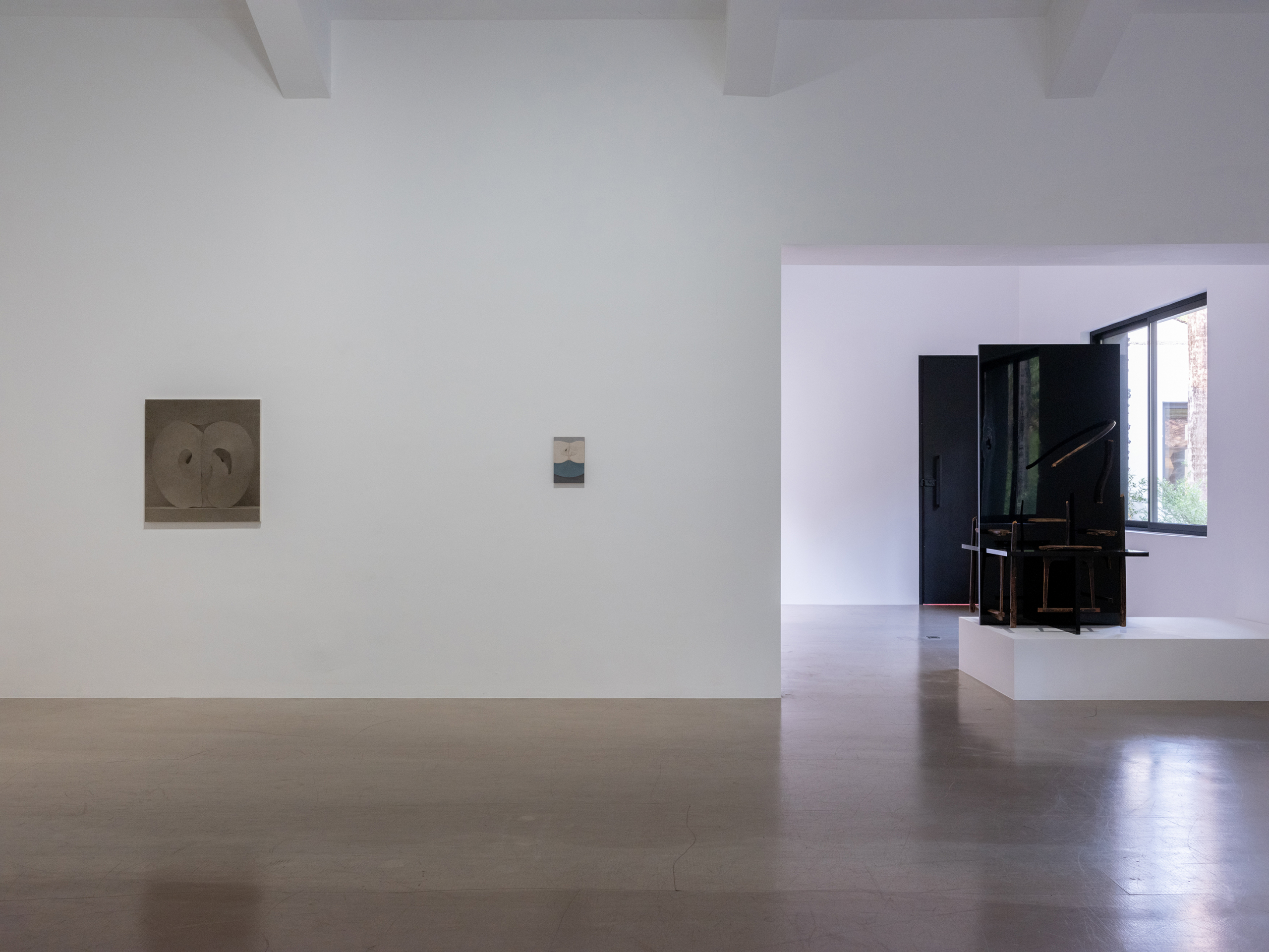
- Exhibition view of Shao Fan: The Nature of Things, Mirrored Gardens, Guangzhou, 2026. Photographer: Wen Peng. Courtesy of the artist and Vitamin Creative Space. © Vitamin, 2026. All works of art by Shao Fan ©the artist, 2026.
-
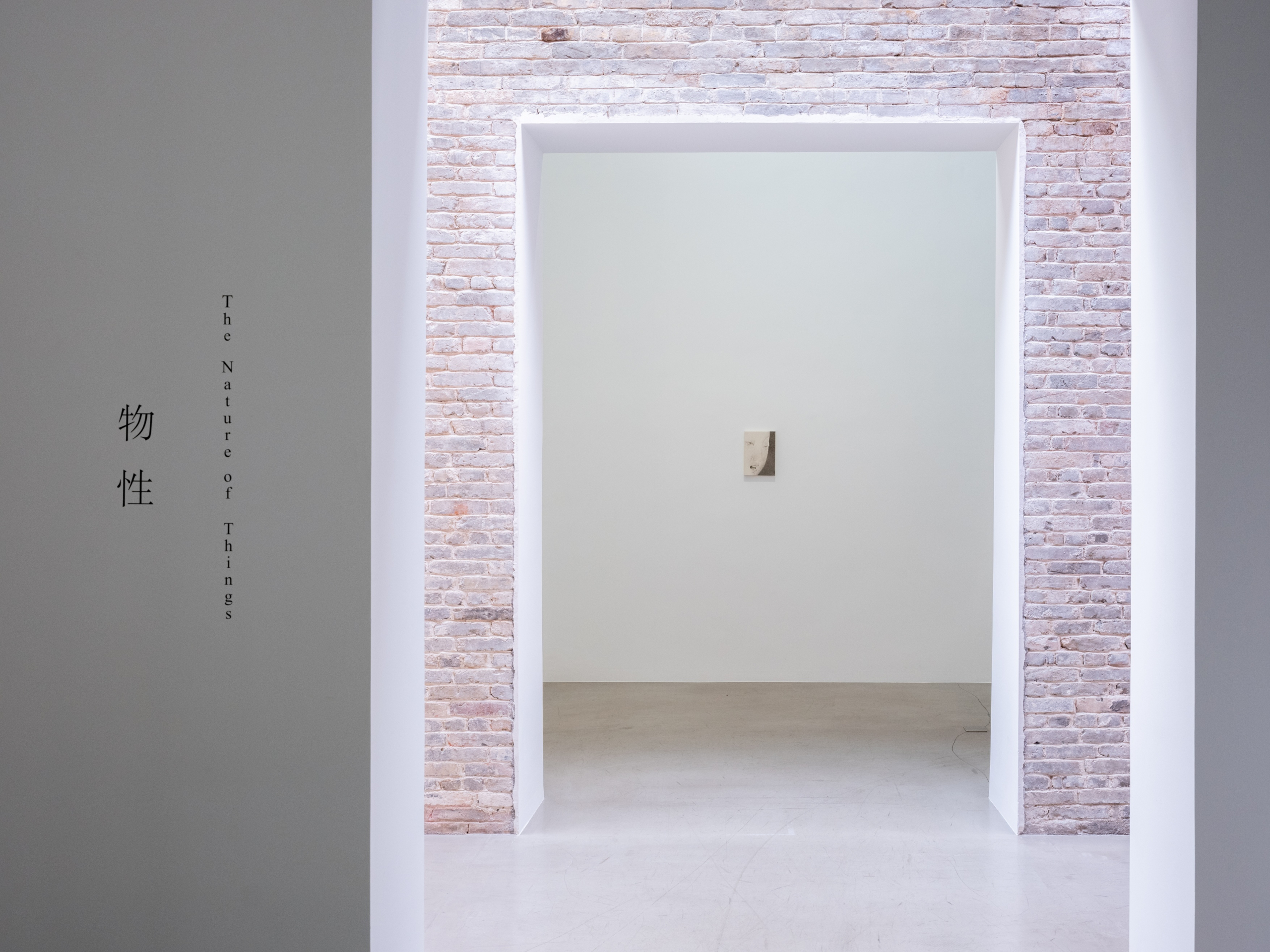
- Exhibition view of Shao Fan: The Nature of Things, Mirrored Gardens, Guangzhou, 2026. Photographer: Wen Peng. Courtesy of the artist and Vitamin Creative Space. © Vitamin, 2026. All works of art by Shao Fan ©the artist, 2026.
-
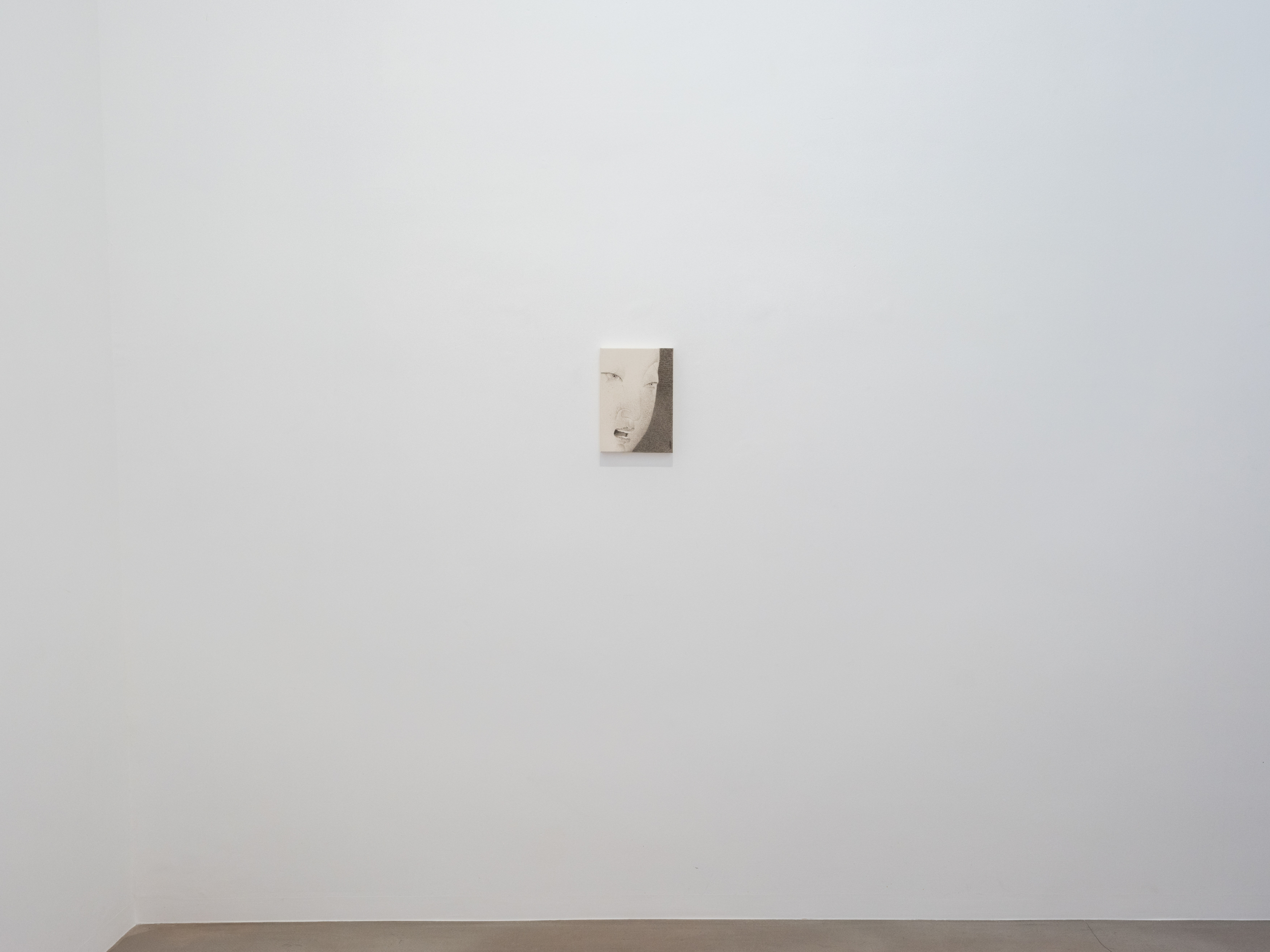
- Exhibition view of Shao Fan: The Nature of Things, Mirrored Gardens, Guangzhou, 2026. Photographer: Wen Peng. Courtesy of the artist and Vitamin Creative Space. © Vitamin, 2026. All works of art by Shao Fan ©the artist, 2026.
-
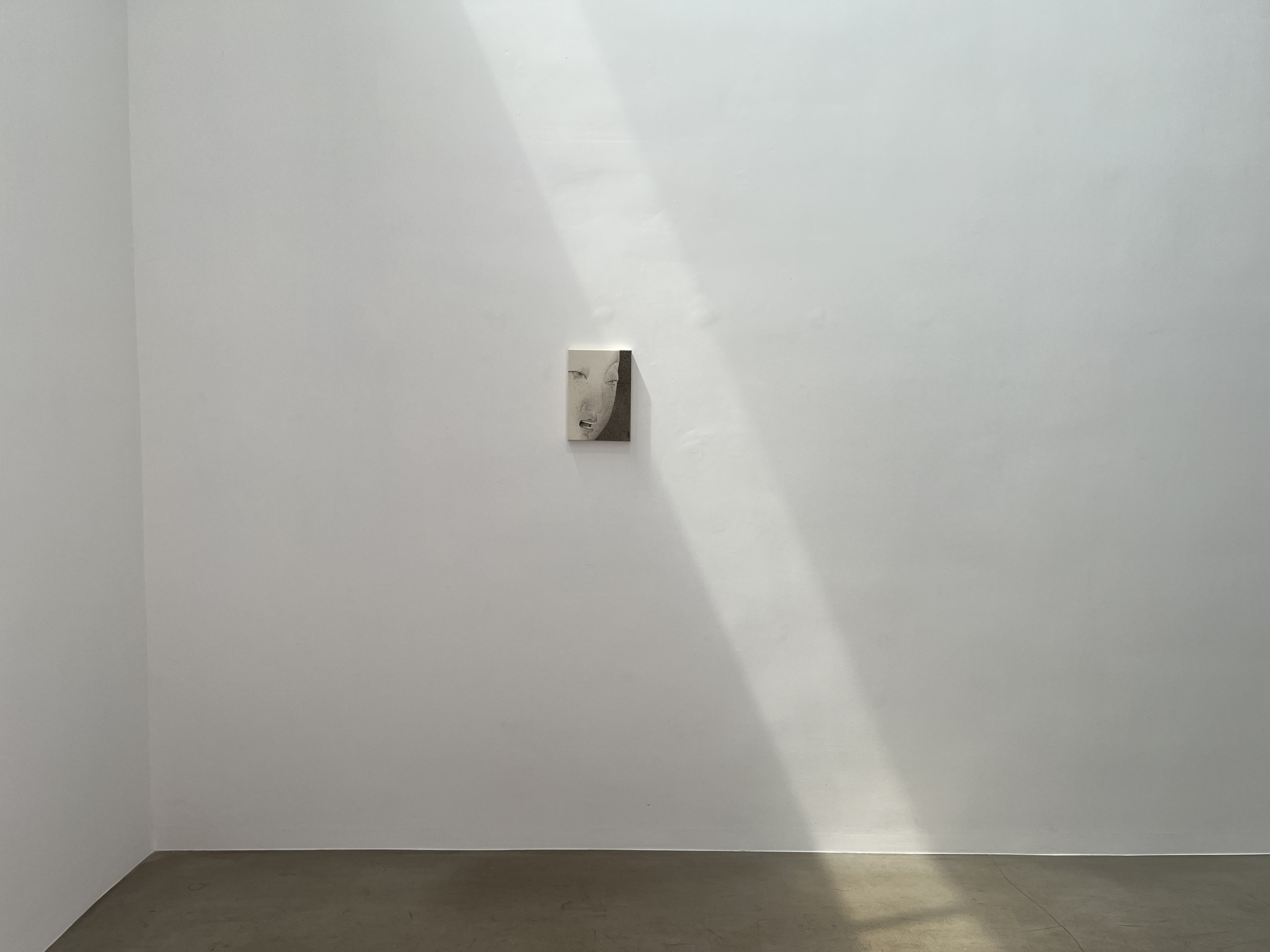
- Exhibition view of Shao Fan: The Nature of Things, Mirrored Gardens, Guangzhou, 2026. Photographer: Wen Peng. Courtesy of the artist and Vitamin Creative Space. © Vitamin, 2026. All works of art by Shao Fan ©the artist, 2026.
-
- Exhibition view of Shao Fan: The Nature of Things, Mirrored Gardens, Guangzhou, 2026. Photographer: Wen Peng. Courtesy of the artist and Vitamin Creative Space. © Vitamin, 2026. All works of art by Shao Fan ©the artist, 2026.
-
- Exhibition view of Shao Fan: The Nature of Things, Mirrored Gardens, Guangzhou, 2026. Photographer: Wen Peng. Courtesy of the artist and Vitamin Creative Space. © Vitamin, 2026. All works of art by Shao Fan ©the artist, 2026.
-
- Exhibition view of Shao Fan: The Nature of Things, Mirrored Gardens, Guangzhou, 2026. Photographer: Wen Peng. Courtesy of the artist and Vitamin Creative Space. © Vitamin, 2026. All works of art by Shao Fan ©the artist, 2026.
-
- Exhibition view of Shao Fan: The Nature of Things, Mirrored Gardens, Guangzhou, 2026. Photographer: Wen Peng. Courtesy of the artist and Vitamin Creative Space. © Vitamin, 2026. All works of art by Shao Fan ©the artist, 2026.
-
- Exhibition view of Shao Fan: The Nature of Things, Mirrored Gardens, Guangzhou, 2026. Photographer: Wen Peng. Courtesy of the artist and Vitamin Creative Space. © Vitamin, 2026. All works of art by Shao Fan ©the artist, 2026.
-
- Exhibition view of Shao Fan: The Nature of Things, Mirrored Gardens, Guangzhou, 2026. Photographer: Wen Peng. Courtesy of the artist and Vitamin Creative Space. © Vitamin, 2026. All works of art by Shao Fan ©the artist, 2026.
-
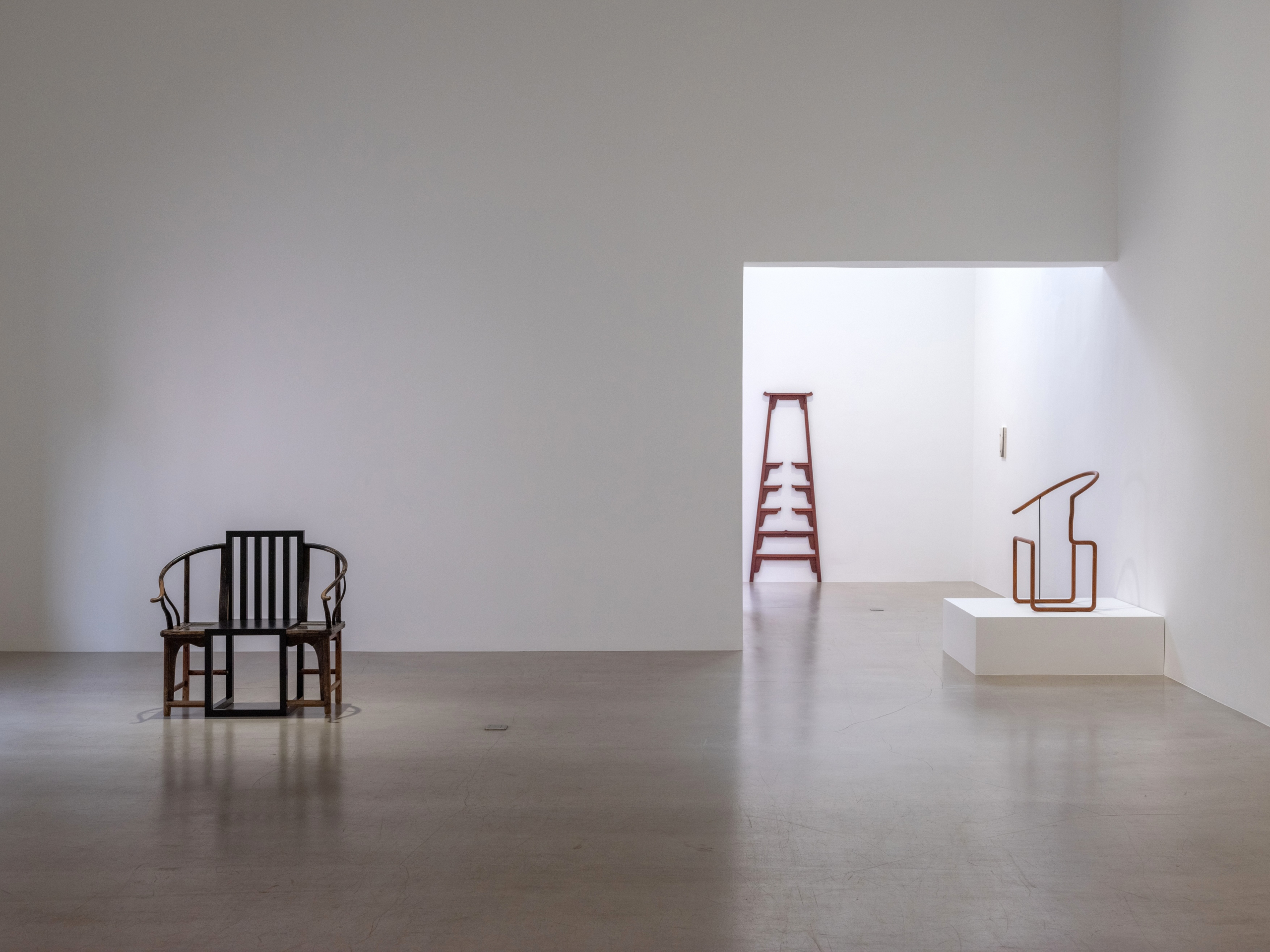
- Exhibition view of Shao Fan: The Nature of Things, Mirrored Gardens, Guangzhou, 2026. Photographer: Wen Peng. Courtesy of the artist and Vitamin Creative Space. © Vitamin, 2026. All works of art by Shao Fan ©the artist, 2026.
-
- Exhibition view of Shao Fan: The Nature of Things, Mirrored Gardens, Guangzhou, 2026. Photographer: Wen Peng. Courtesy of the artist and Vitamin Creative Space. © Vitamin, 2026. All works of art by Shao Fan ©the artist, 2026.
-
- Exhibition view of Shao Fan: The Nature of Things, Mirrored Gardens, Guangzhou, 2026. Photographer: Wen Peng. Courtesy of the artist and Vitamin Creative Space. © Vitamin, 2026. All works of art by Shao Fan ©the artist, 2026.
-
- Exhibition view of Shao Fan: The Nature of Things, Mirrored Gardens, Guangzhou, 2026. Photographer: Wen Peng. Courtesy of the artist and Vitamin Creative Space. © Vitamin, 2026. All works of art by Shao Fan ©the artist, 2026.
-
- Exhibition view of Shao Fan: The Nature of Things, Mirrored Gardens, Guangzhou, 2026. Photographer: Wen Peng. Courtesy of the artist and Vitamin Creative Space. © Vitamin, 2026. All works of art by Shao Fan ©the artist, 2026.
-
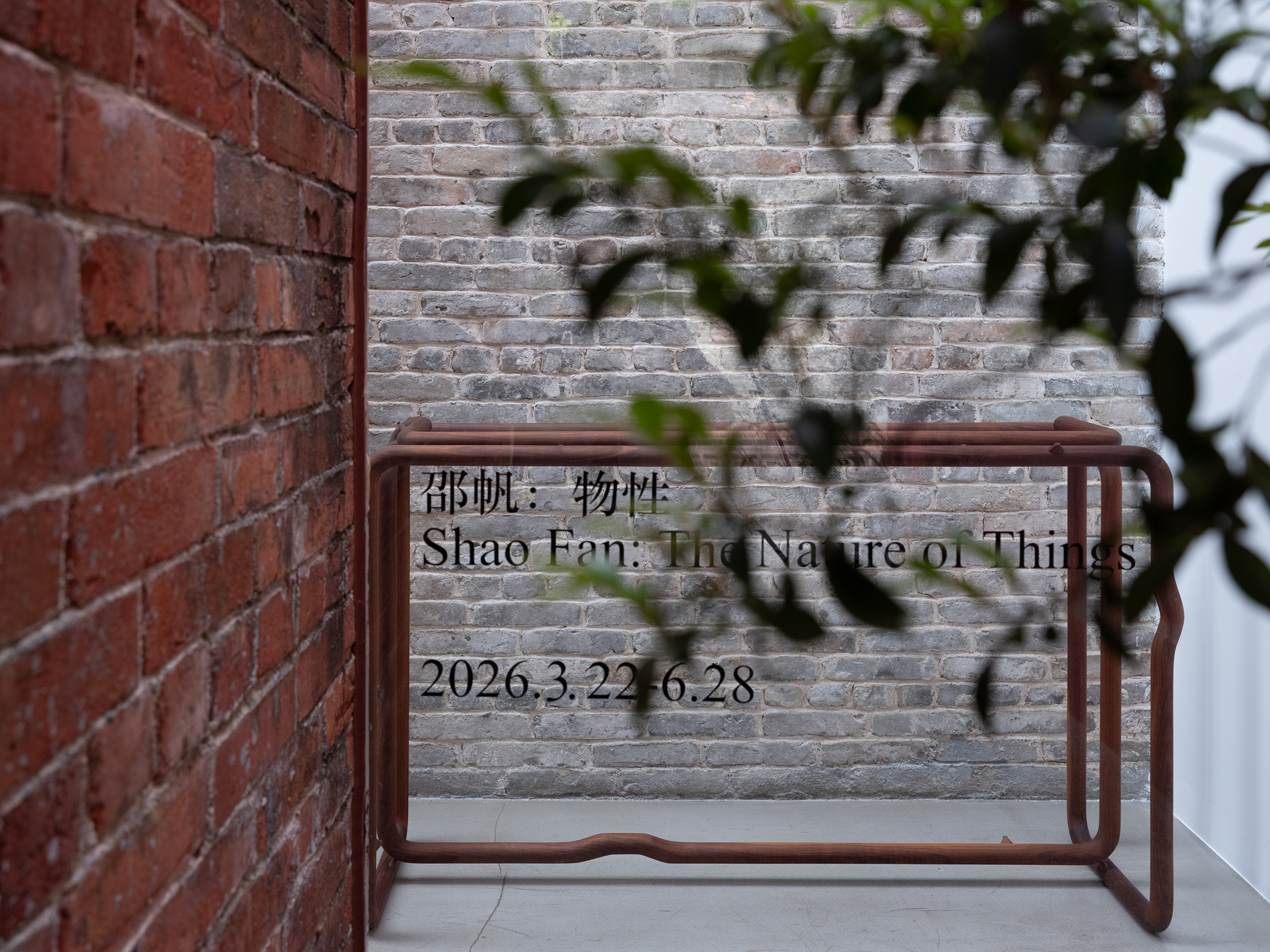
- Exhibition view of Shao Fan: The Nature of Things, Mirrored Gardens, Guangzhou, 2026. Photographer: Wen Peng. Courtesy of the artist and Vitamin Creative Space. © Vitamin, 2026. All works of art by Shao Fan ©the artist, 2026.
-
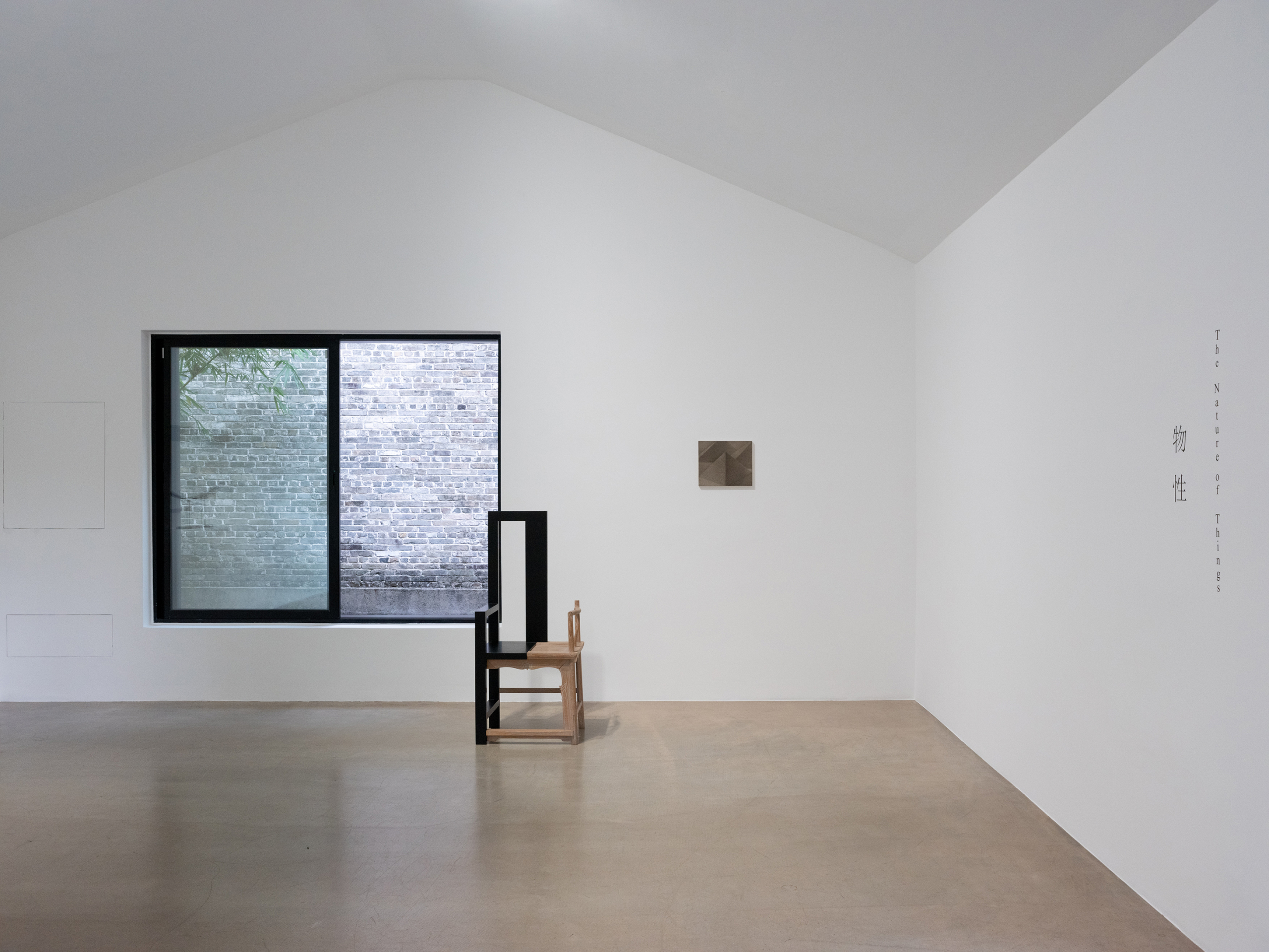
- Exhibition view of Shao Fan: The Nature of Things, Mirrored Gardens, Guangzhou, 2026. Photographer: Wen Peng. Courtesy of the artist and Vitamin Creative Space. © Vitamin, 2026. All works of art by Shao Fan ©the artist, 2026.
-
- Exhibition view of Shao Fan: The Nature of Things, Mirrored Gardens, Guangzhou, 2026. Photographer: Wen Peng. Courtesy of the artist and Vitamin Creative Space. © Vitamin, 2026. All works of art by Shao Fan ©the artist, 2026.
-
- Exhibition view of Shao Fan: The Nature of Things, Mirrored Gardens, Guangzhou, 2026. Photographer: Wen Peng. Courtesy of the artist and Vitamin Creative Space. © Vitamin, 2026. All works of art by Shao Fan ©the artist, 2026.
-
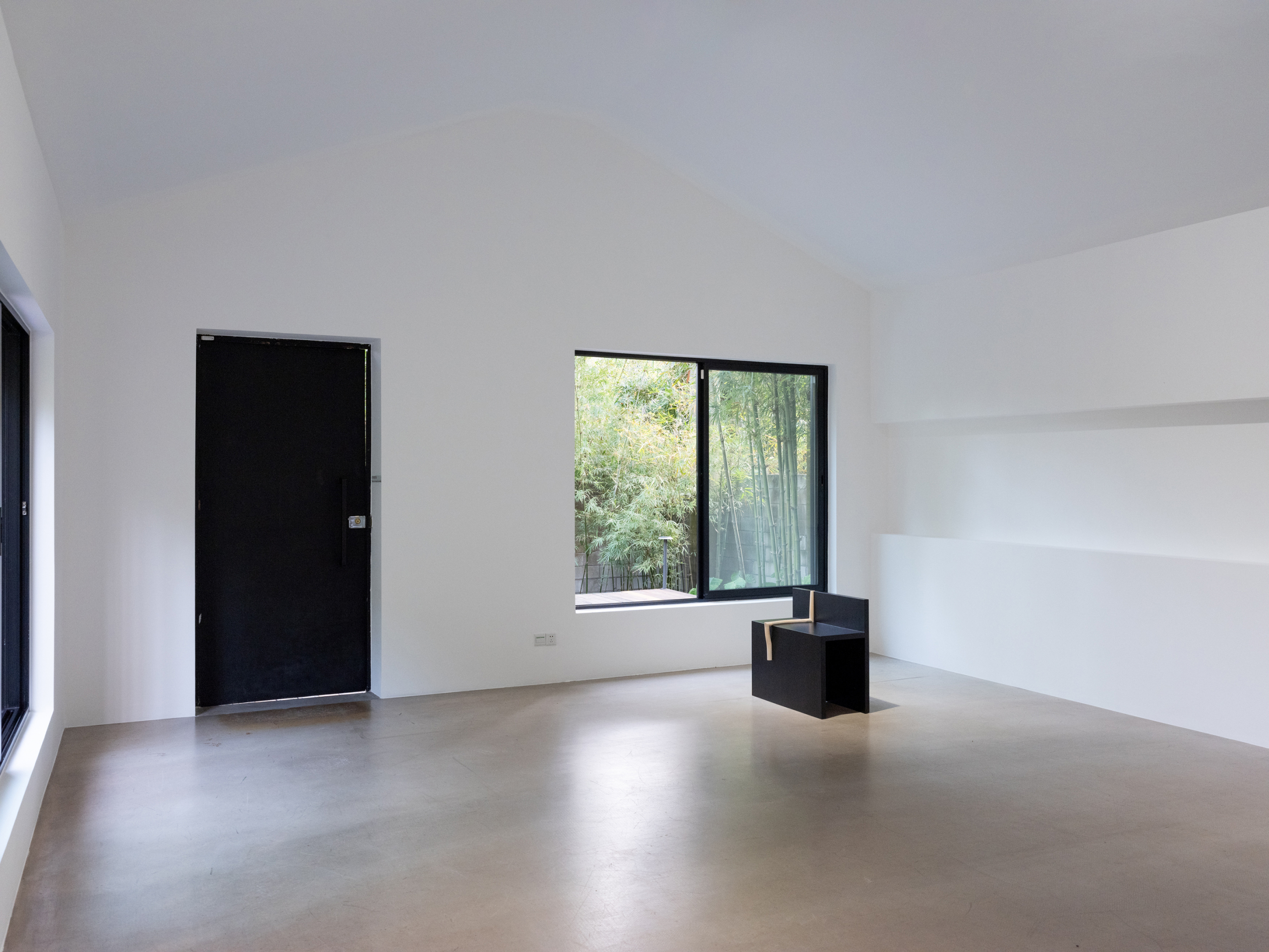
- Exhibition view of Shao Fan: The Nature of Things, Mirrored Gardens, Guangzhou, 2026. Photographer: Wen Peng. Courtesy of the artist and Vitamin Creative Space. © Vitamin, 2026. All works of art by Shao Fan ©the artist, 2026.
-
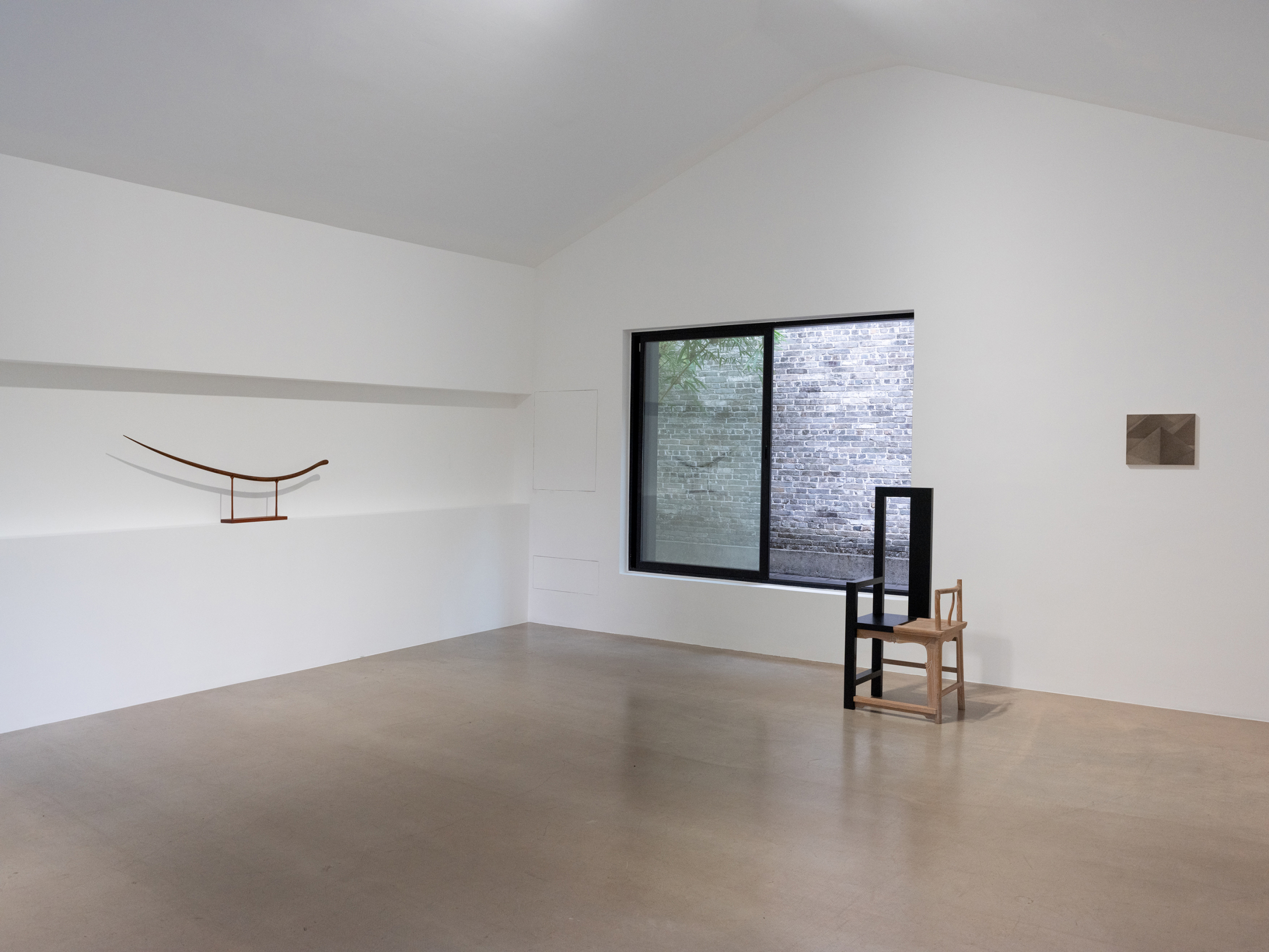
- Exhibition view of Shao Fan: The Nature of Things, Mirrored Gardens, Guangzhou, 2026. Photographer: Wen Peng. Courtesy of the artist and Vitamin Creative Space. © Vitamin, 2026. All works of art by Shao Fan ©the artist, 2026.
-
- Exhibition view of Shao Fan: The Nature of Things, Mirrored Gardens, Guangzhou, 2026. Photographer: Wen Peng. Courtesy of the artist and Vitamin Creative Space. © Vitamin, 2026. All works of art by Shao Fan ©the artist, 2026.
-
- Exhibition view of Shao Fan: The Nature of Things, Mirrored Gardens, Guangzhou, 2026. Photographer: Wen Peng. Courtesy of the artist and Vitamin Creative Space. © Vitamin, 2026. All works of art by Shao Fan ©the artist, 2026.
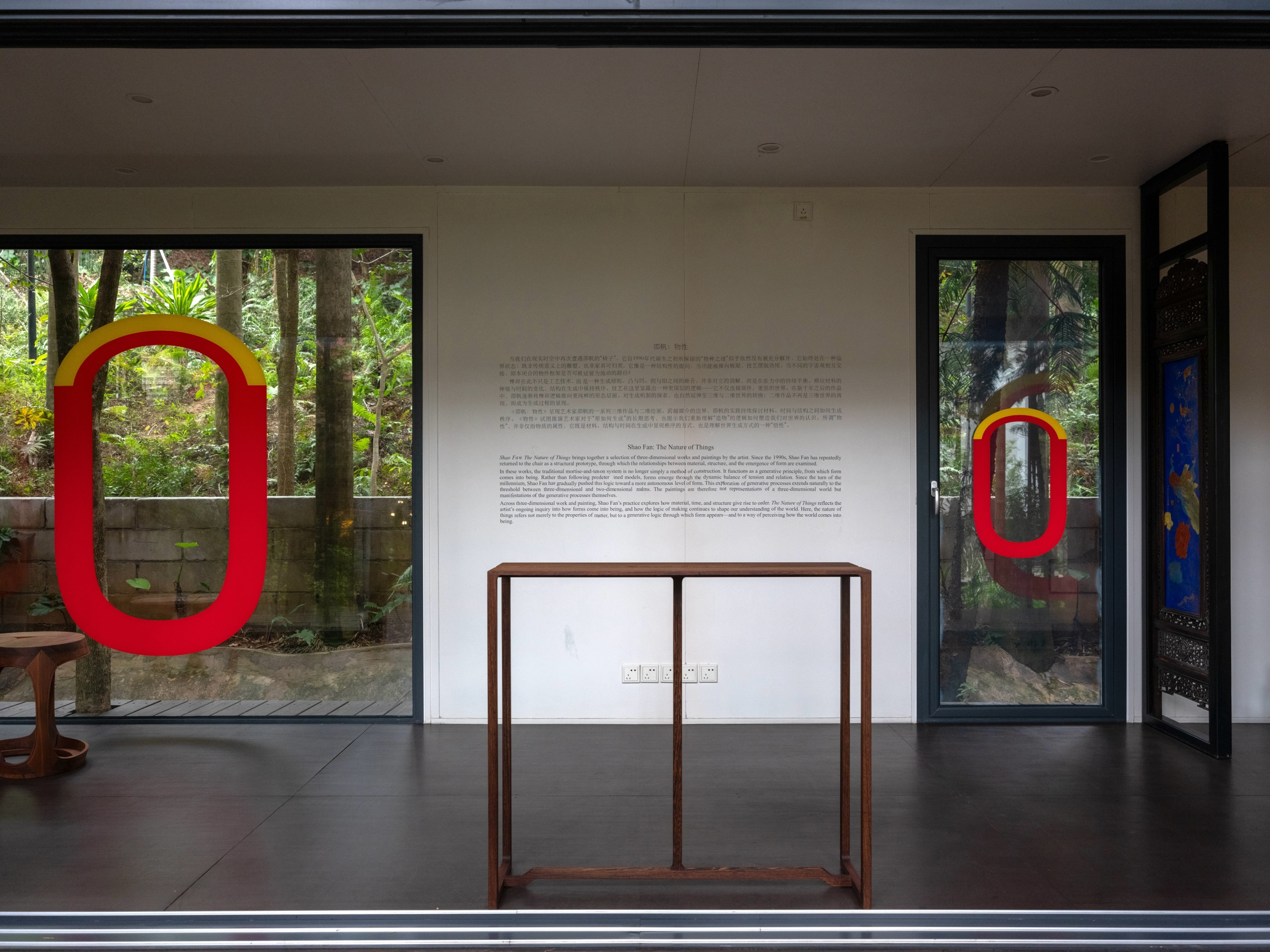
-
- Exhibition view of Shao Fan: The Nature of Things, Mirrored Gardens, Guangzhou, 2026. Photographer: Wen Peng. Courtesy of the artist and Vitamin Creative Space. © Vitamin, 2026. All works of art by Shao Fan ©the artist, 2026.
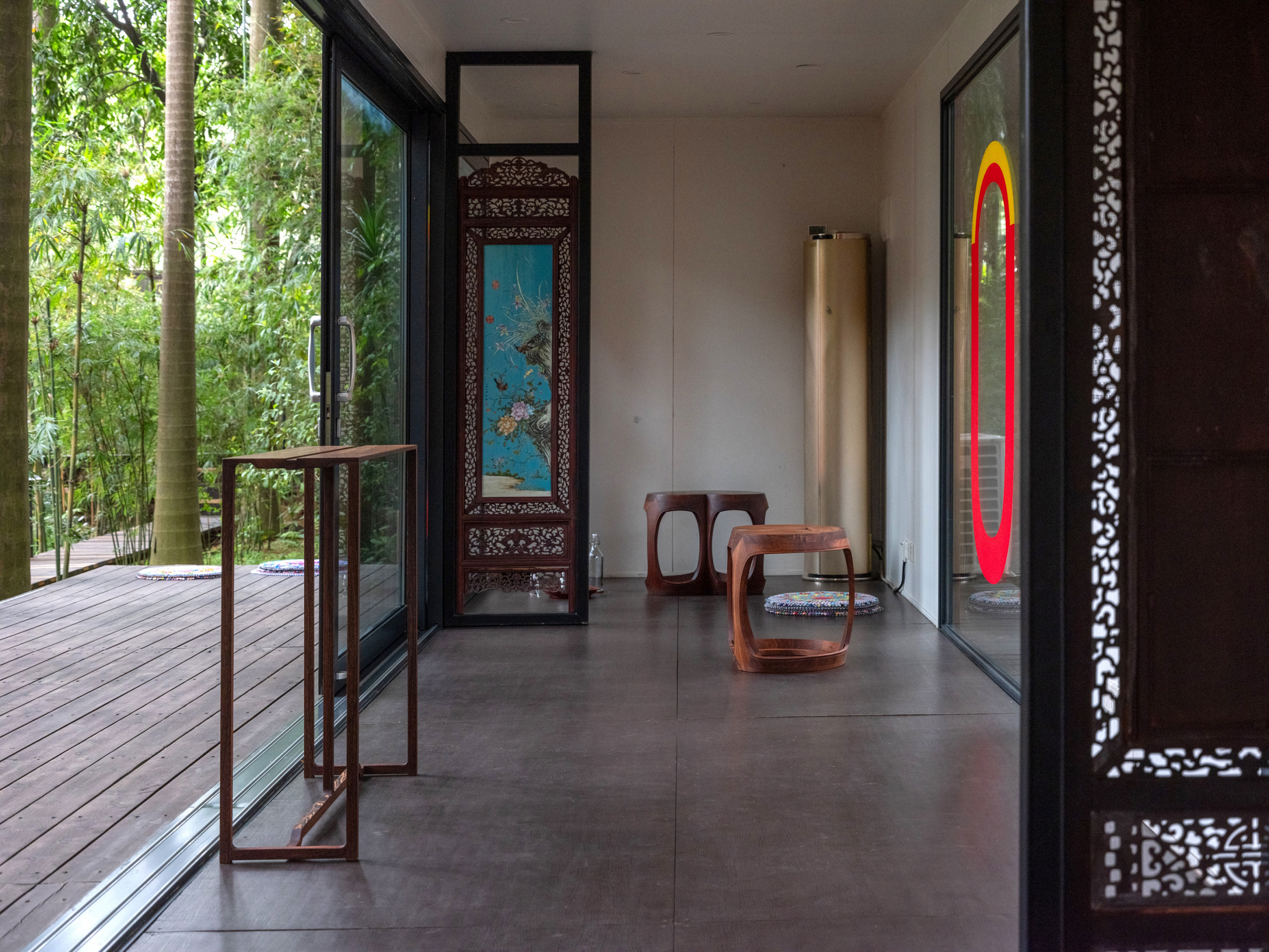
-
- Exhibition view of Shao Fan: The Nature of Things, Mirrored Gardens, Guangzhou, 2026. Photographer: Wen Peng. Courtesy of the artist and Vitamin Creative Space. © Vitamin, 2026. All works of art by Shao Fan ©the artist, 2026.
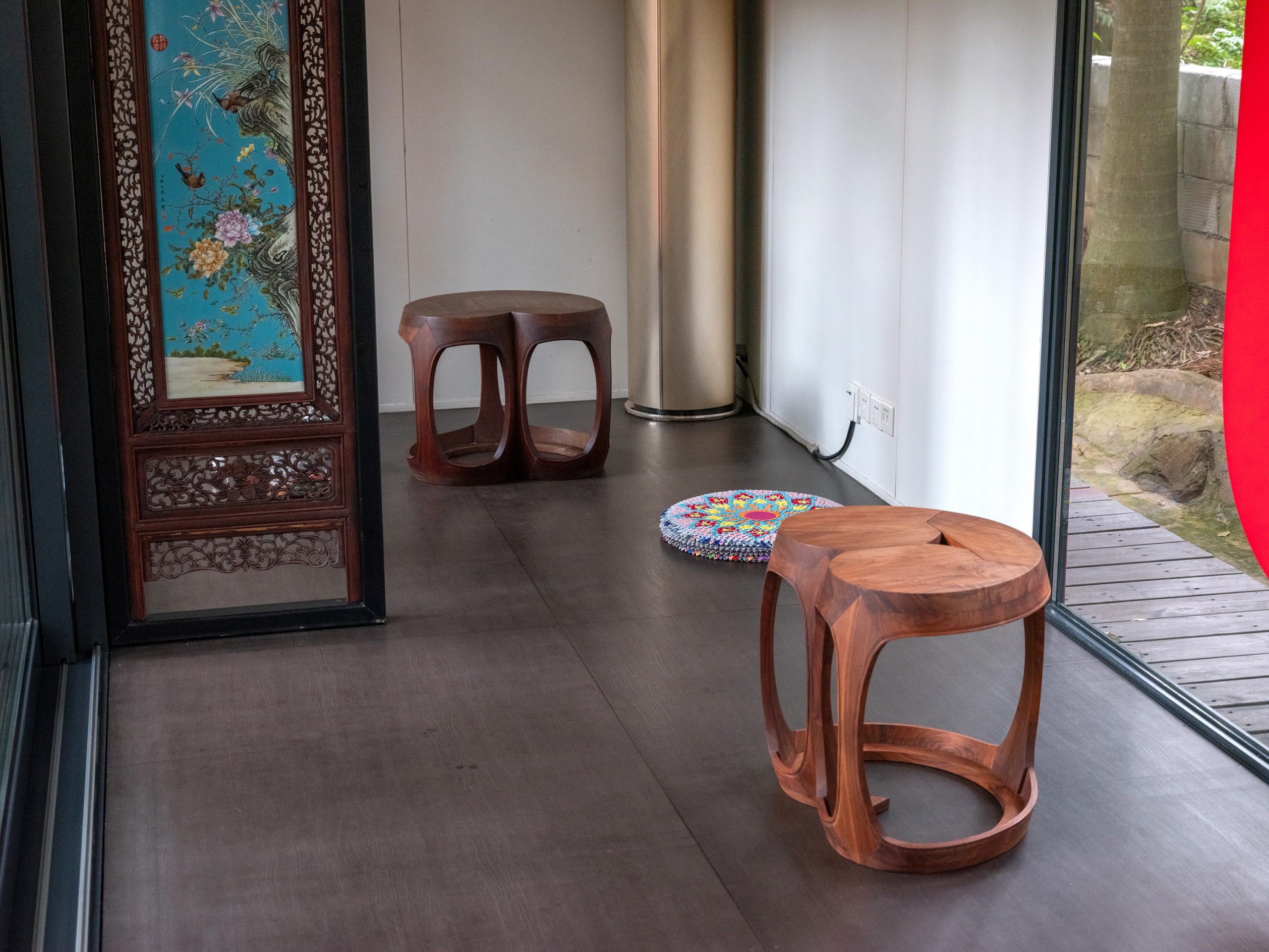
-
- Exhibition view of Shao Fan: The Nature of Things, Mirrored Gardens, Guangzhou, 2026. Photographer: Wen Peng. Courtesy of the artist and Vitamin Creative Space. © Vitamin, 2026. All works of art by Shao Fan ©the artist, 2026.
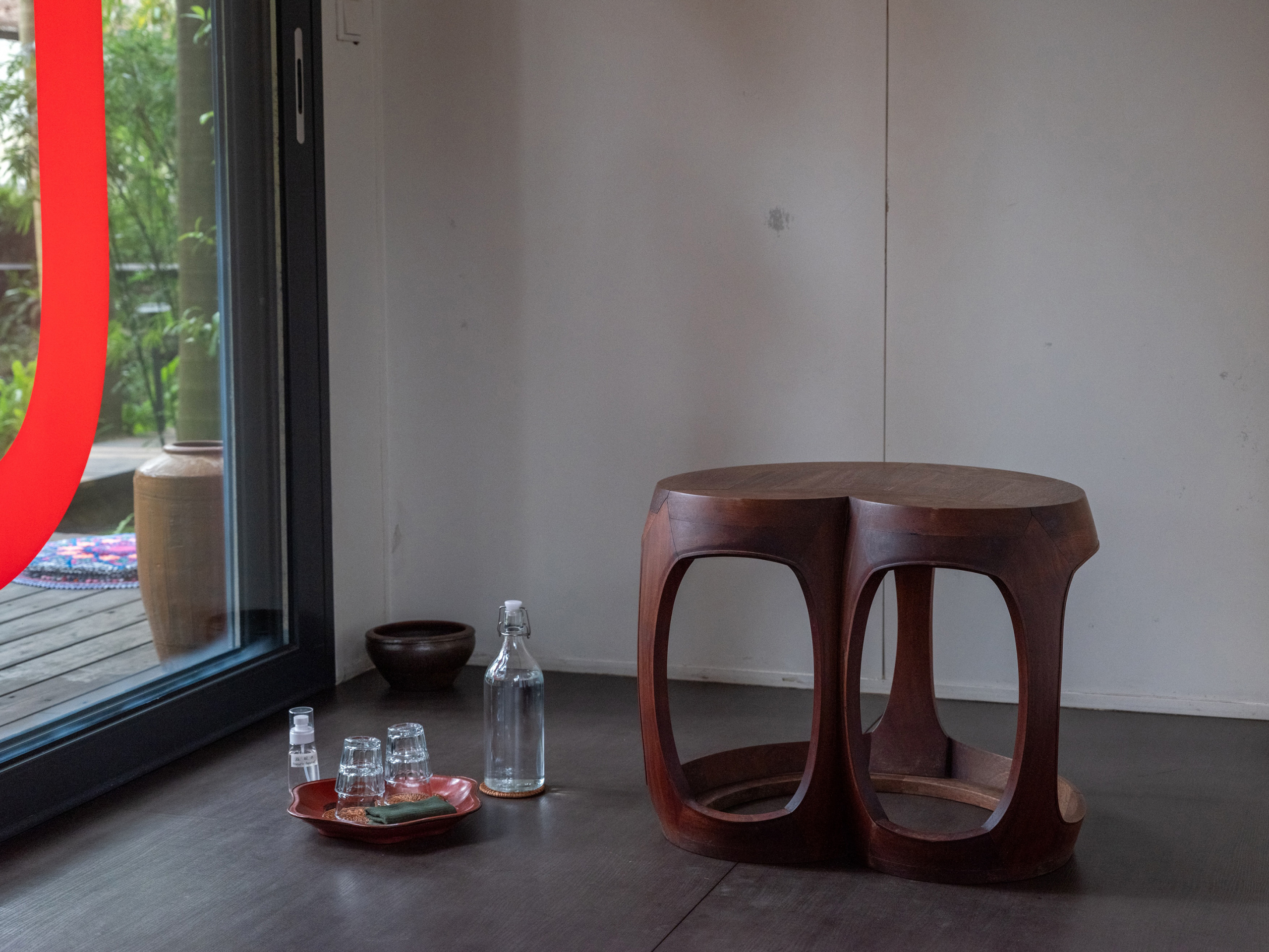
-
- Exhibition view of Shao Fan: The Nature of Things, Mirrored Gardens, Guangzhou, 2026. Photographer: Wen Peng. Courtesy of the artist and Vitamin Creative Space. © Vitamin, 2026. All works of art by Shao Fan ©the artist, 2026.
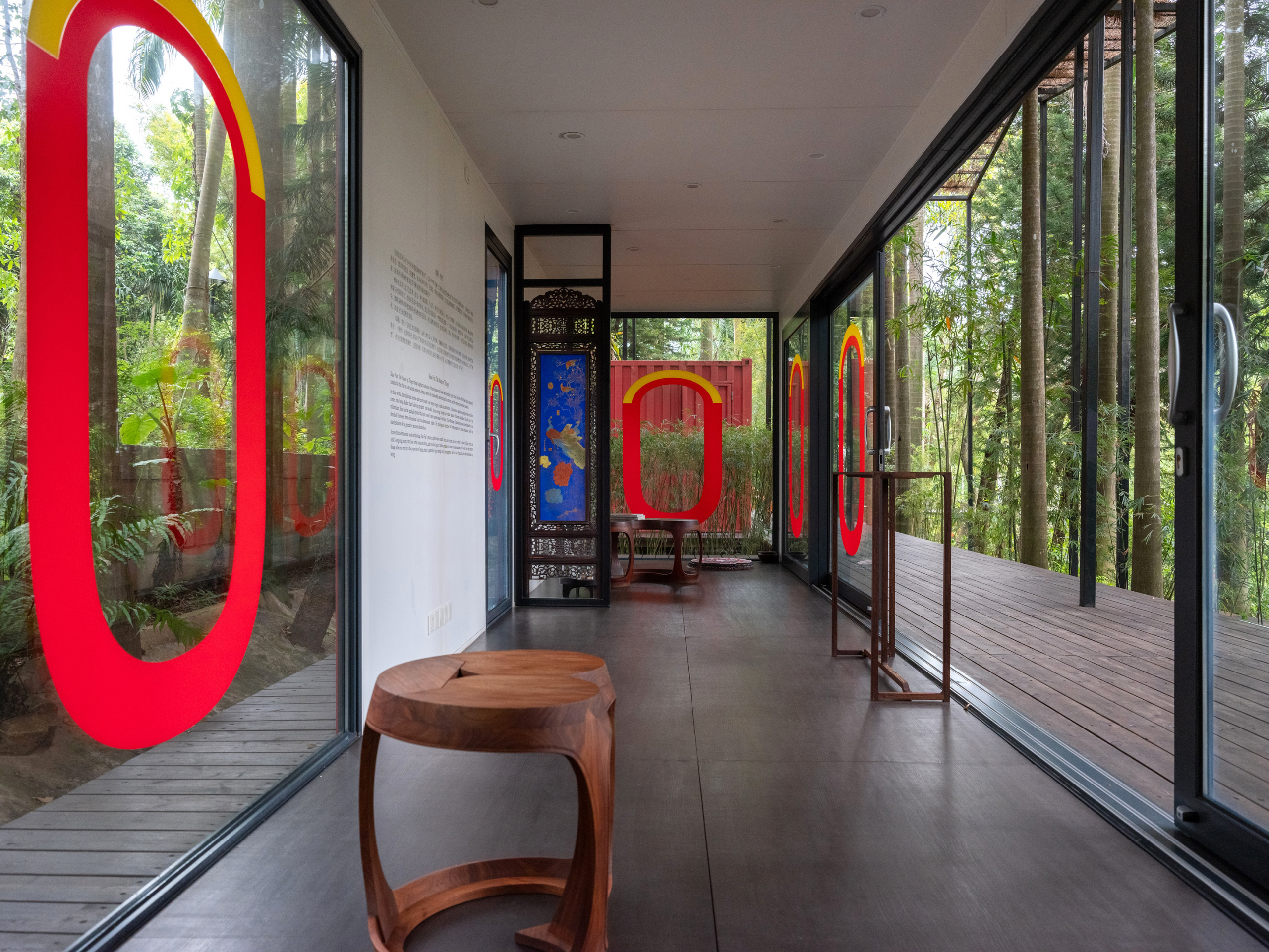
-
- Exhibition view of Shao Fan: The Nature of Things, Mirrored Gardens, Guangzhou, 2026. Photographer: Wen Peng. Courtesy of the artist and Vitamin Creative Space. © Vitamin, 2026. All works of art by Shao Fan ©the artist, 2026.
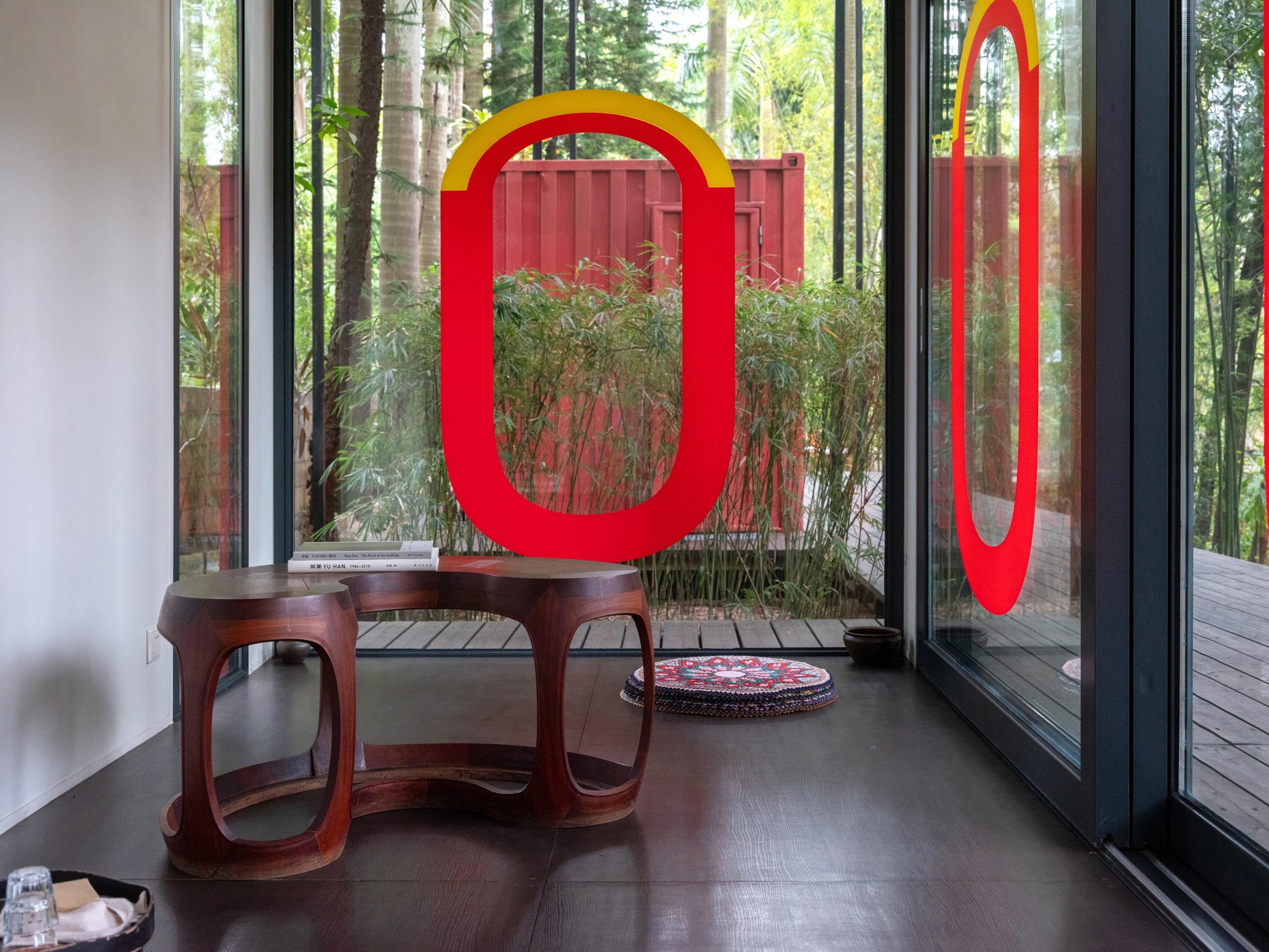
-
- Exhibition view of Shao Fan: The Nature of Things, Mirrored Gardens, Guangzhou, 2026. Photographer: Wen Peng. Courtesy of the artist and Vitamin Creative Space. © Vitamin, 2026. All works of art by Shao Fan ©the artist, 2026.
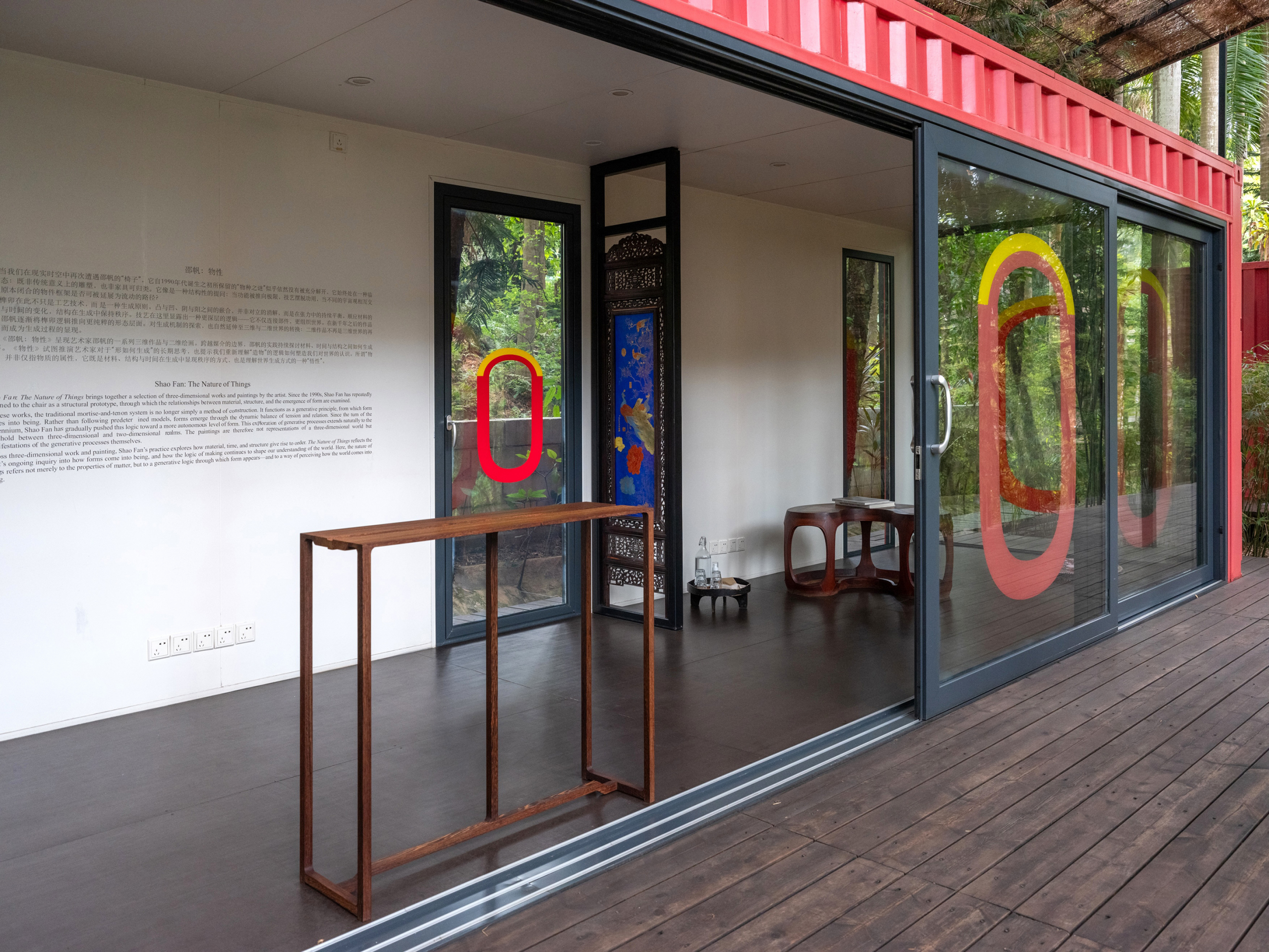
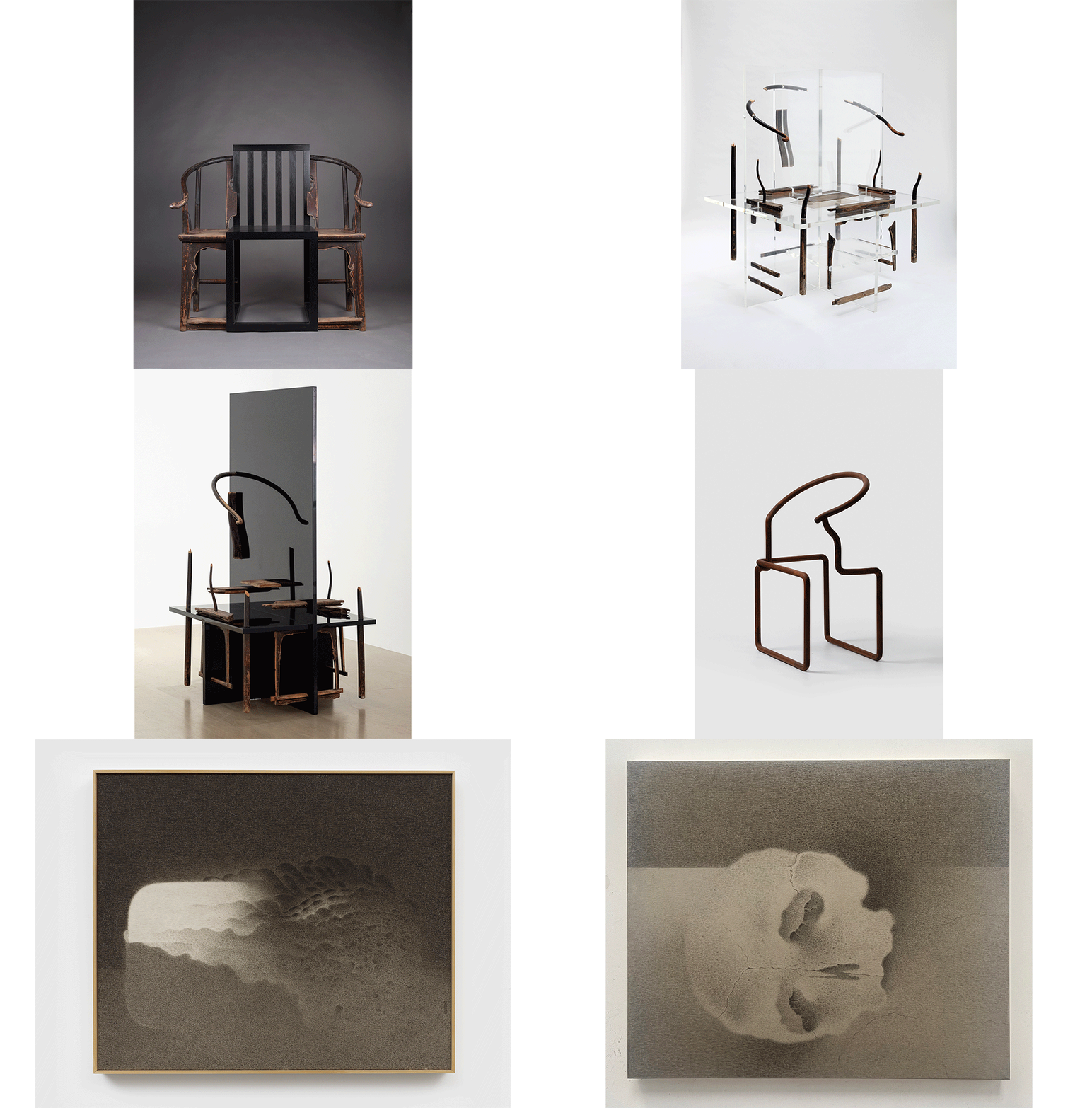
Exhibition view of Shao Fan: The Nature of Things, Mirrored Gardens, Guangzhou, 2026.
Photographer: Wen Peng.
Courtesy of the artist and Vitamin Creative Space. © Vitamin, 2026.
All works of art by Shao Fan ©the artist, 2026.